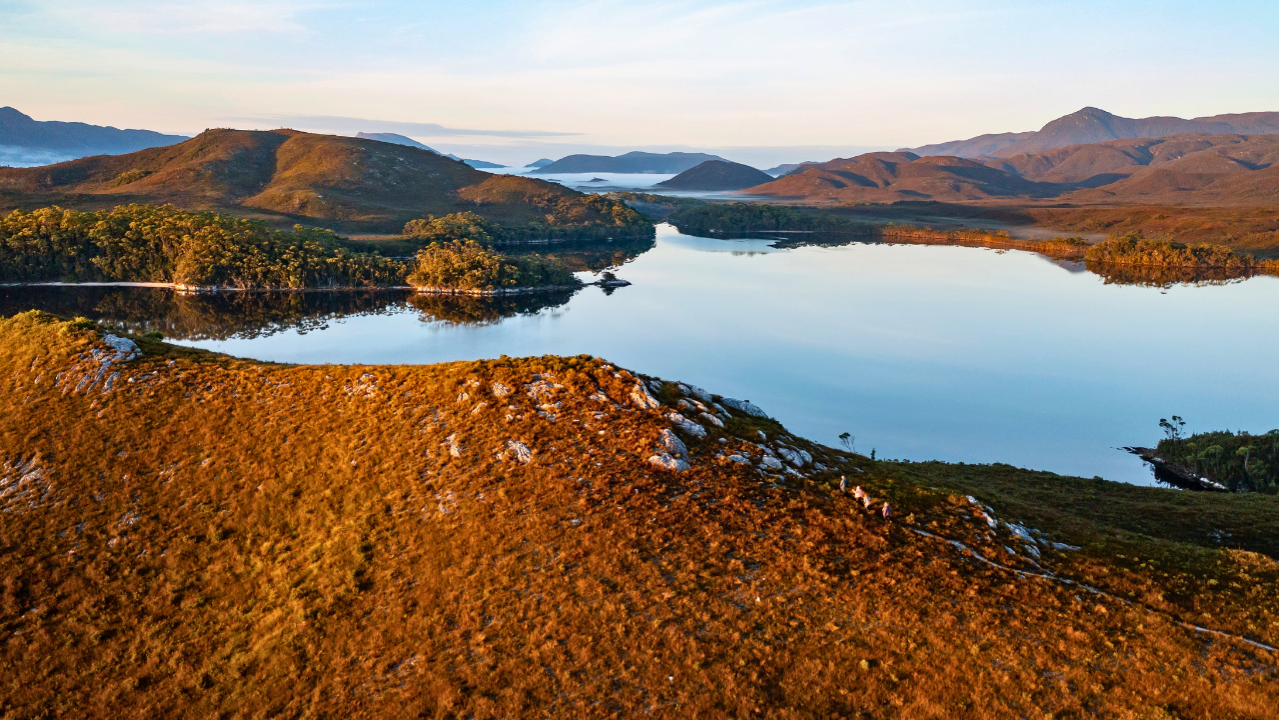
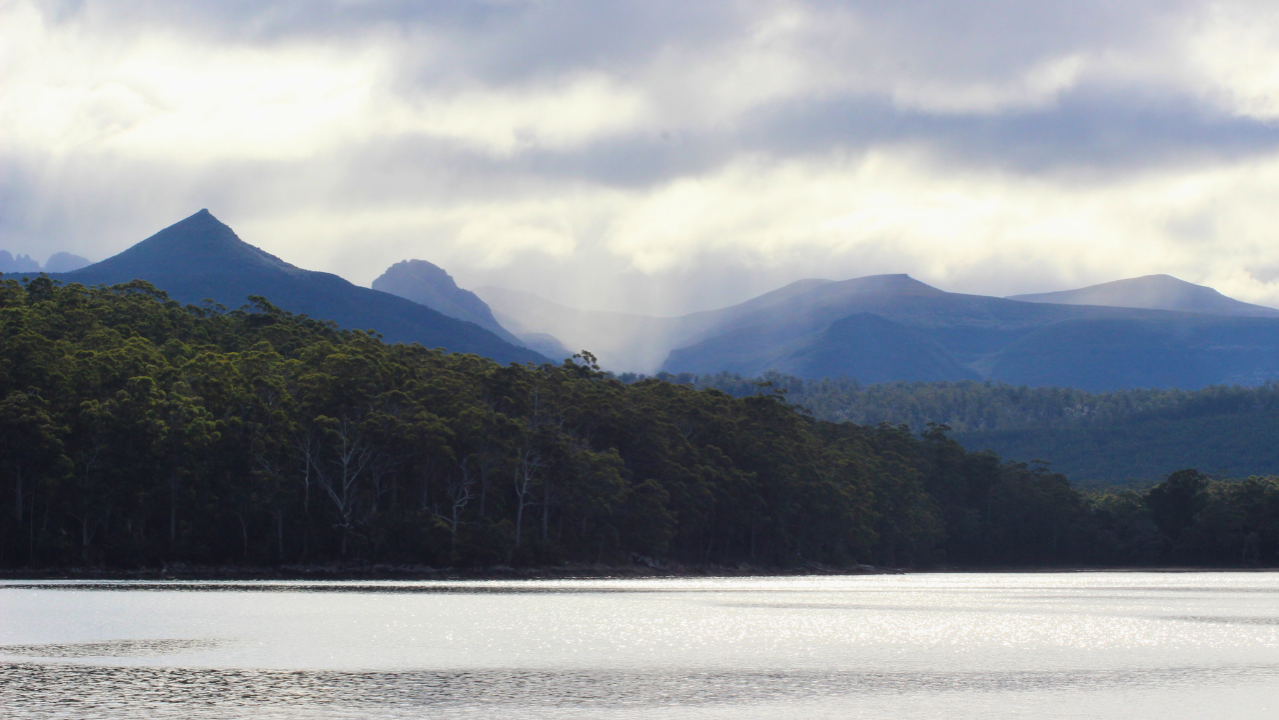

A remote island at the end of the world, Tasmania’s windswept shores are home to ancient forests and traces of civilisations dating back millions of years. Over 40% of the island is made up of protected national parks and reserves, including 1.5 million acres known as the Tasmania Wilderness World Heritage Area. As these areas have opened to visitors, the island is trying to maintain the balance between conservation and promoting experiences that can’t be found anywhere else.
Within these UNESCO-listed areas, you can find the world’s second-largest cool-climate rainforest, a myriad of endemic and endangered species, and a dramatic coastline separated from Antarctica only by open ocean. Cut off from mainland Australia, it’s historically been easy for Tasmania to remain unchanged, preserved and untouched. As more and more tourists are drawn to the state, Tasmania has been putting its eco-tourism into overdrive, with more than 800 walking trails, wild tours and accommodation emerging for those seeking an off-the-map escape. But these biodiverse areas are under increasing pressure, meaning responsible tourism is more important than ever. Below are just a few of the places where you can discover the real Tasmania.
Tasmania is a role model for sustainability and protecting the environment: it’s a net zero island, with the cleanest air in the world and dozens of species of plants, mammals and marine life found nowhere else on the planet. Incredible eco-tours and experiences abound, from self-sustained cabins in the woods to locally-owned recreation companies and wildlife conservation that have brought Tasmanian devils back from the brink of extinction.
These experiences, in rainforests, caves and rivers which stood long before we were even a blip on the map, remind us that preserving such places is key to the future, with Tasmania remaining one of the last great wildernesses on earth.
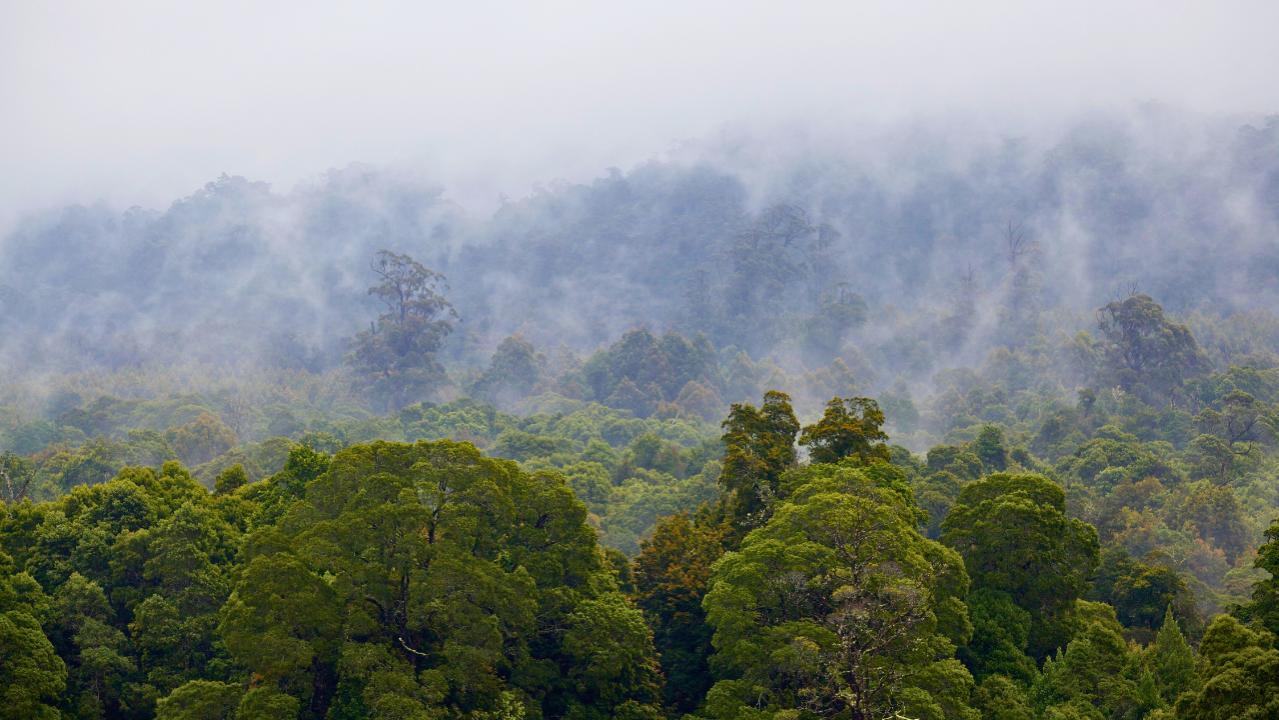
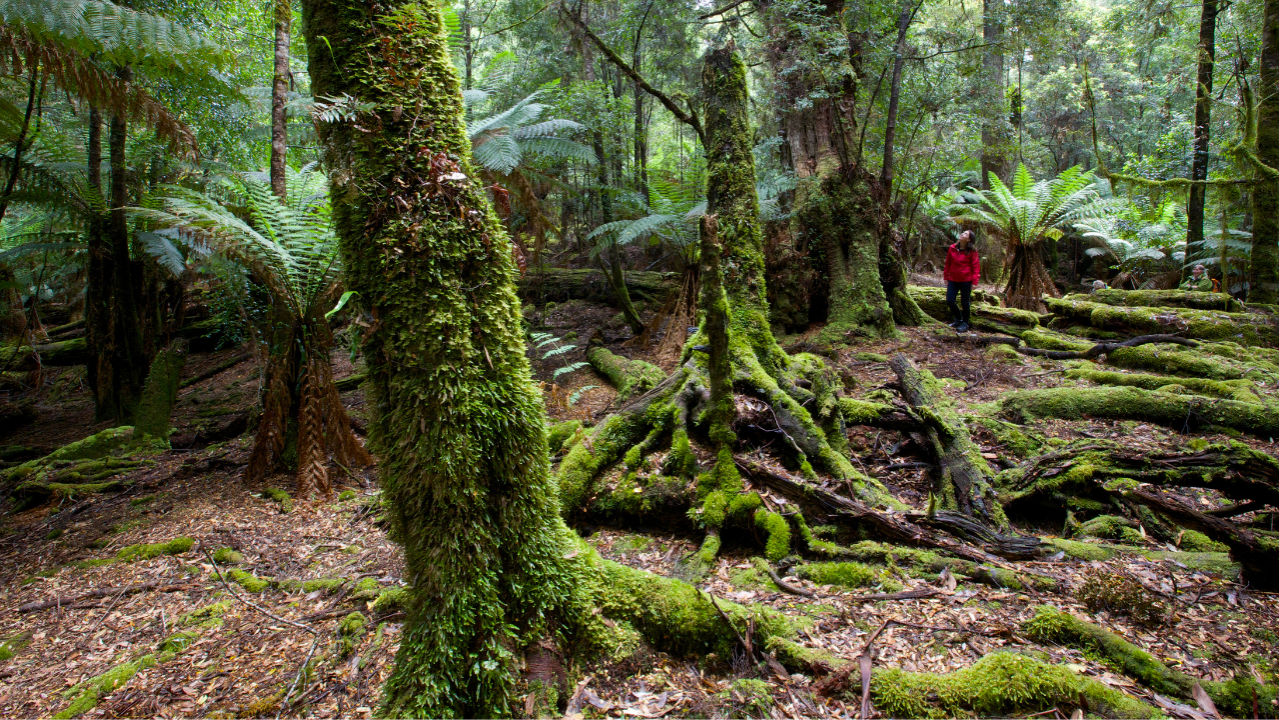
In Tasmania’s misty northwest lies the Tarkine, known as takayna in Aboriginal, the second biggest temperate rainforest in the world. Home to ancient trees like myrtle beech and blackwood, the forest is carpeted in moss, and wild rivers flow into its depths. It’s an area facing an ongoing battle against logging despite being the habitat of endangered Tasmanian devils and the rare Giant Tasmanian Freshwater Crayfish, as well as having one of the highest concentrations of Aboriginal sites in the southern hemisphere.
Despite this, the Tarkine isn’t protected under the TWWHA, and locals are fighting to save it from being lost to developers and mining companies. Groups like Tarkine Trails and Rare Earth are locally-owned forces for good in the area, guiding eco-friendly walking trips that inspire visitors in the hopes of preserving this ever-diminishing landscape. You can also self-drive through the area or lace up your boots and stroll through the pre-historic plant life, which offers the chance to fish, kayak and raft. The species here directly evolved from when the continents were joined together as Gondwana, the southern part of the supercontinent Pangea, around 500 million years ago, making this area one of the oldest and most well-preserved natural wonders in the world.
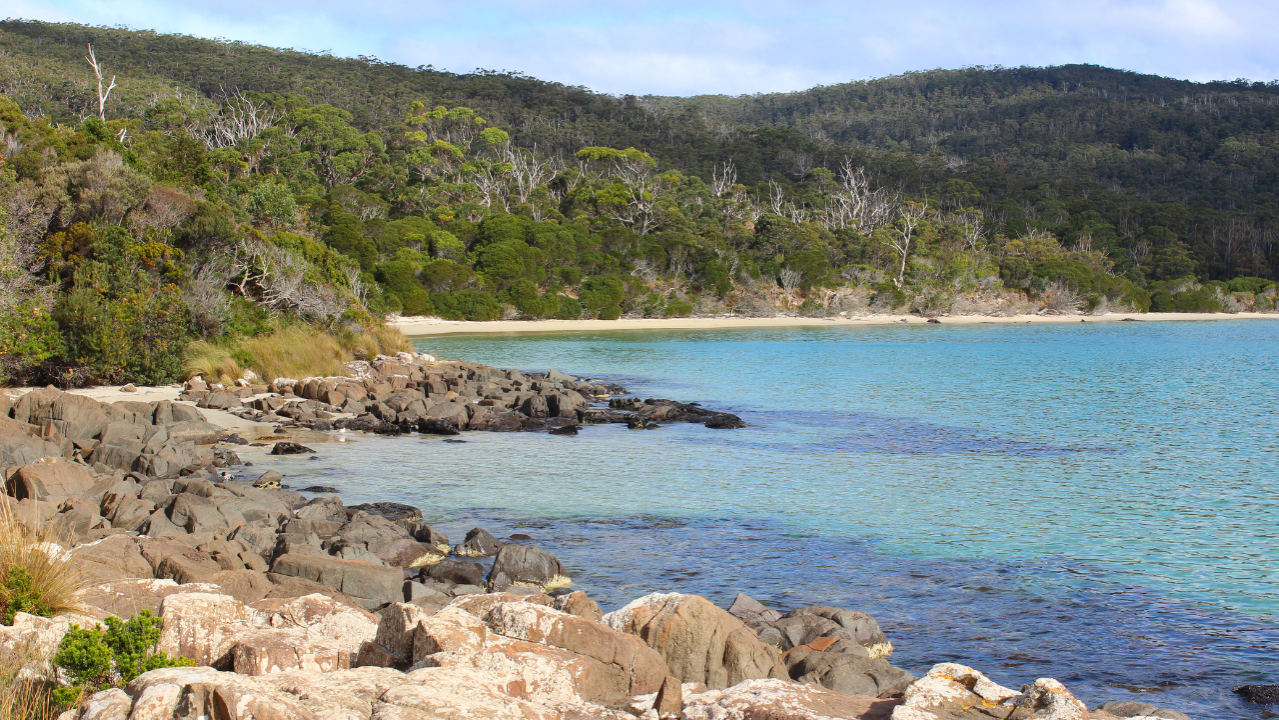
If you drive south long enough in Tasmania, you’ll eventually reach a sweeping bay of golden sand called Cockle Creek, the southernmost point in Australia and one of the few places to enter the remote Southwest National Park. It’s Tasmania’s largest national park, covering some 600,000 hectares and comprising craggy mountain ranges and primaeval rainforest, which you can dip into on the South Cape Bay track from the creek.
For the more adventurous, the South Coast Track is a once-in-a-lifetime, seven-day hike through an area most people will never see. Visitors can fly into an outpost called Melaleuca before embarking on the trail, which follows the coast along rocky headlands and deserted beaches and can be extended to tackle daunting mountains such as Federation Peak and Mount Anne – but beware that return flights are often waylaid by weather meaning the only way out is on foot.
Throughout the journey, aside from friendly creatures like wallabies, wombats and Tasmanian devils, you’ll also spot the rare Huon pine tree, which can live for more than 2,000 years, and endangered orange-bellied parrots, which are found nowhere else on earth.
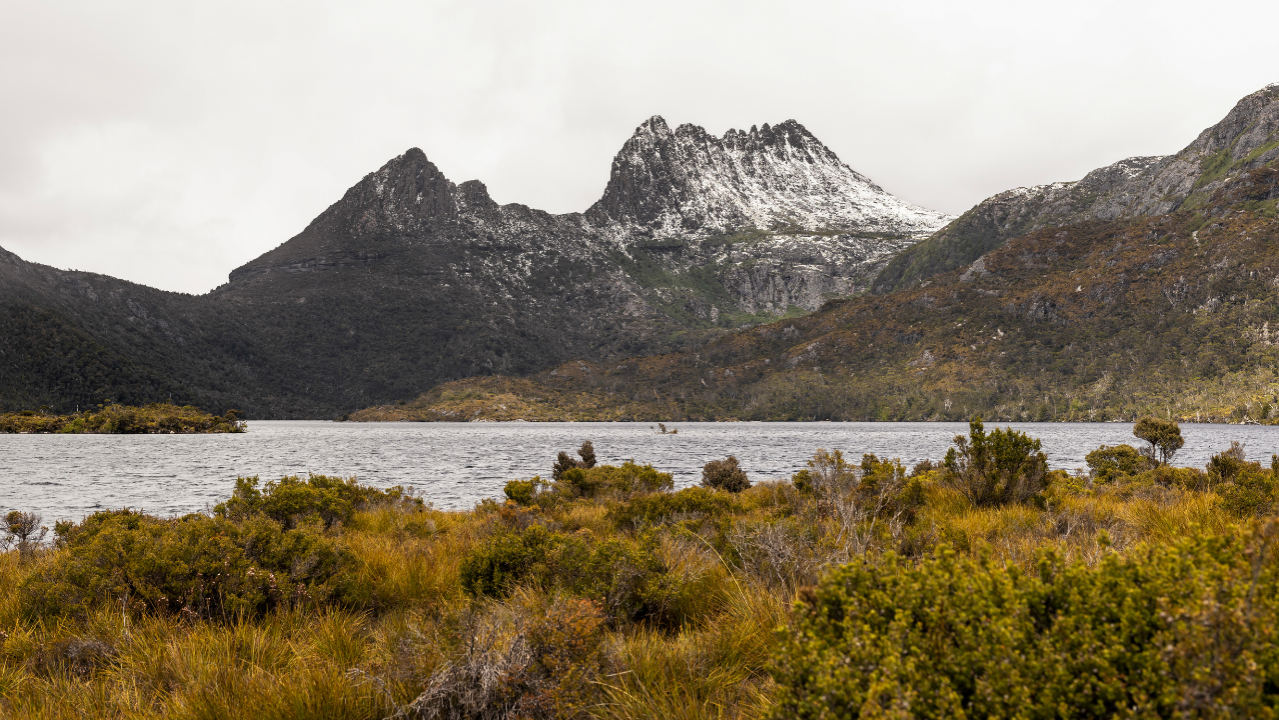
You’ll notice Cradle Mountain, one of Tasmania’s most iconic landmarks, on posters and tourist campaigns throughout the state, but nothing compares to seeing it bathed in a soft golden light after walking the Dove Lake circuit at its base. Part of Cradle Mountain-Lake St Clair National Park, the area is one of the most popular with tourists visiting Tasmania, who come to witness the mountain dusted in snow during winter, walk around Lake St Clair, Australia’s deepest lake or tackle one of the country’s most epic hikes, the Overland Track. 6 days, 65km and with nothing but the sounds of nature to keep you company, it encompasses alpine meadows, narrow gorges, waterfalls and towering eucalyptus forests.
Despite being seemingly deserted, the national park now has a multitude of sustainable ways to explore, from photography tours and abseiling adventures to visiting the Devils@Cradle Wildlife Sanctuary and going on guided canyon trips. You can also stay at self-contained woodland cabins, glass-walled tiny homes or eco-luxe huts, where local Tasmania produce such as honey, fresh fruit, and wine demonstrate the island’s community-conscious outlook.
To fully explore Tasmania’s parks and preserves, you’ll need to rent a car. The Tarkine has plenty of self-drive routes, and while visiting Southwest National Park, I recommend hiring a 4×4 if you’re heading to Cockle Creek, where the road needs high clearance. For national parks, such as Cradle Mountain and Southwest National Park, you’ll require a National Parks pass, which can be bought by the day or for 2 months. These are issued per vehicle, covering up to eight people at once.
Above all, responsible tourism is vital to keeping Tasmania’s wilderness intact. Respect local wildlife and indigenous cultures, and endeavour to use local guides and tours wherever possible to support the community. More than anything, enjoy and share the experience – swim in the icy south coast waters, fish or learn about Aboriginal culture, and camp under dark skies to see millions of stars and galaxies – it’s an experience you’ll never forget.
If you are passionate about hiking in the wild nature, check out our Naturalist Journeys page to discover other exciting destinations.
India-Jayne Trainor is a London-based travel writer with a love for luxury hotels, sustainable travel and local foods, which she has written about for publications including AFAR, Forbes, Fodor’s, Time Out and TripSavvy, among others. She also works as a freelance copywriter for hotels and travel sites. Specialist destinations include London, Hong Kong, Vietnam and Tasmania.
| Cookie | Duration | Description |
|---|---|---|
| cookielawinfo-checbox-analytics | 11 months | This cookie is set by GDPR Cookie Consent plugin. The cookie is used to store the user consent for the cookies in the category "Analytics". |
| cookielawinfo-checbox-functional | 11 months | The cookie is set by GDPR cookie consent to record the user consent for the cookies in the category "Functional". |
| cookielawinfo-checbox-others | 11 months | This cookie is set by GDPR Cookie Consent plugin. The cookie is used to store the user consent for the cookies in the category "Other. |
| cookielawinfo-checkbox-necessary | 11 months | This cookie is set by GDPR Cookie Consent plugin. The cookies is used to store the user consent for the cookies in the category "Necessary". |
| cookielawinfo-checkbox-performance | 11 months | This cookie is set by GDPR Cookie Consent plugin. The cookie is used to store the user consent for the cookies in the category "Performance". |
| viewed_cookie_policy | 11 months | The cookie is set by the GDPR Cookie Consent plugin and is used to store whether or not user has consented to the use of cookies. It does not store any personal data. |