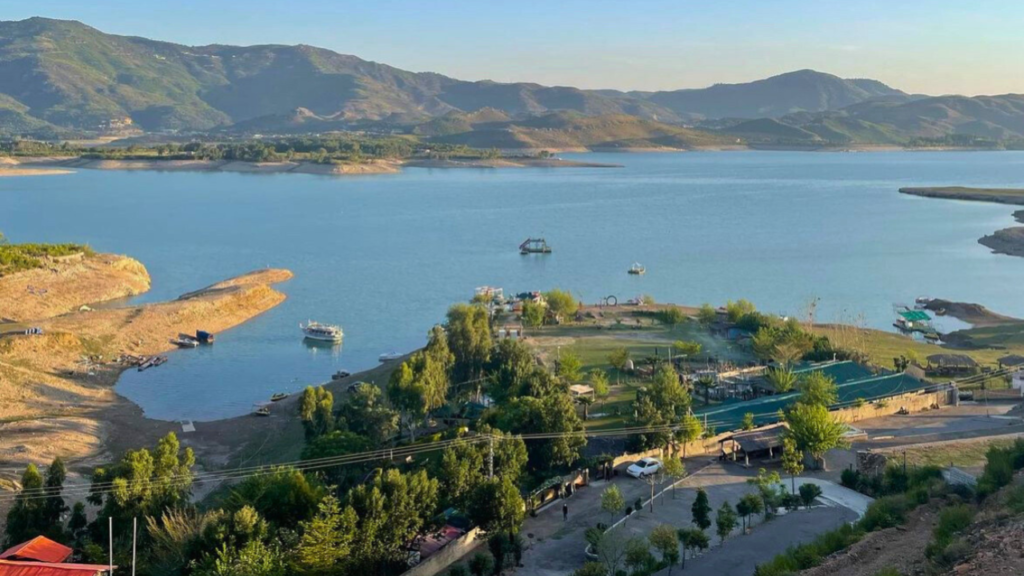

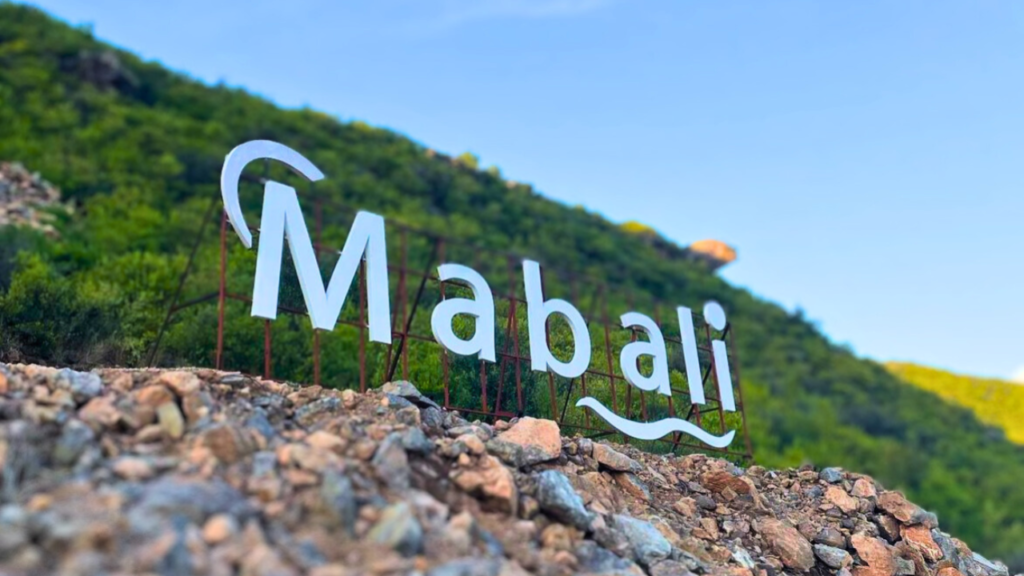

In Northern Pakistan, beyond the landlocked capital, lies Khanpur Dam, a vital water source for the area. This dam, created by the Haro River, is nestled amidst the mountains of Haripur, Khyber Pakhtunkhwa. It provides water for the region and adjacent areas and attracts numerous tourists with its captivating blue-green waters and pleasant weather (almost) throughout the year. On the dam’s banks lies Mabali, a tourist resort frequented by thousands of locals and foreigners weekly, offering water activities and promoting sustainability.
Mabali, founded in 2015 by Brigadier (Retired) Ghulam Haider and his wife Nighat Haider. The name is an amalgamation of their children’s names. The resort, run by this family, started from a humble tent and now spans over 6.25 acres of land. Their vision was to transform Pakistan’s image in the tourism sector, shifting the focus away from terrorism and bringing people closer to nature-centric experiences, providing all amenities for visitors seeking physical, mental, and psychological rejuvenation.
Ghulam Haider served in the Pakistan Army for 32 years. Throughout his military career, he maintained a deep interest in adventure sports and tourism. He has always been passionate about tourism and actively sought ways to incorporate it into his work, “I identified tourism as a potential sector for growth, particularly in regions like Kalam, Swat, and Chitral. These areas displayed a welcoming and tourist-friendly attitude compared to other parts of the country,” he says.
He devised several plans for the government and investors, but unfortunately, none of them ever materialised, “Despite having tourism policies and departments in place, there is lack of effective implementation,” Haider believes, adding, “global tourism success stories often start with developing one city or town initially, creating a conducive environment, and making it easier for tourists to access facilities in one place”.
Haider believed that Pakistan could follow such a model successfully, with two or three regions having the ideal population and infrastructure for tourism and still maintains his belief that if the government dedicates its efforts to developing a single city into a tourist destination while preserving its natural beauty, it can thrive, “Unfortunately, concrete structures over nature when developing tourist spots, lead to environmental degradation,” he says adding that it is vital to hire the right people in the government sector who are at the helm of affairs and understand the dynamics of tourism which differ from everyday politics.
Haider and his family meticulously planned and gradually developed the resort, officially opening its doors in 2017.
In Pakistan, food is a primary source of entertainment for the majority of the population, while shopping is the preferred pastime for many women. At Mabali, families are encouraged to engage in activities together. “Tourism for us means fostering family participation. Many of our clients are women who feel safe at our resort and engage in activities they might not typically pursue due to cultural norms.”
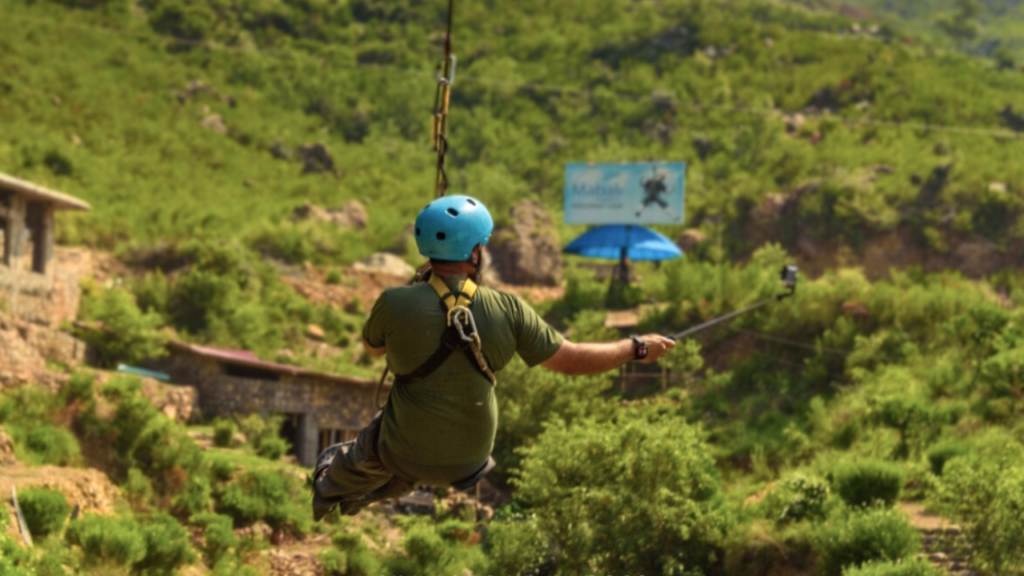
Mabali receives about 200 tourists every day (400 on heavy touristy days) and encourages families, especially women, to kickstart their day with a wide range of activities, including thrilling water sports like jet skiing, kayaking, parasailing, and paddle boating. International standard ziplining, hiking, camping, and more are available for those seeking ground adventures. Their strategic location near the Bhamala Stupa provides opportunities for trekking and exploring historic Buddhist relics.
Zaira, a tourist, agrees, “As a family, it is usually dinner outings for us, but at Mabali, we did sports and swam in the river. Also, it was beautiful at night when it was quiet after the morning’s chaotic tourism rush,” she said.
Haider further highlighted that they are actively exploring exciting additions that will begin in 2024/2025, including hot air balloons, air adventures, and Microlight paramotor activities on the lake, complementing their existing parasailing experiences. With plans for a shooting range that will focus on self-defence training. To provide lifelong learning experiences through various resort activities for their visitors.
To top it all, their pricing strategy is deliberately designed to be affordable, catering to both local and foreign visitors, with consistent rates across the board. “We aim to keep Mabali accessible to our local community, ensuring it remains an affordable and attractive option for a wide range of visitors. Many of our guests find our prices quite competitive compared to popular destinations like the UAE or Thailand,” says Haider.
From the very beginning, Mabali was committed to sustainable practices, minimising electricity use, sorting and recycling waste, converting food leftovers into bio-fertilisers, and treating wastewater before releasing it into the soil for tree planting campaigns. Mabali’s goal is to minimise Pakistan’s carbon footprint and enhance sustainability for the country.
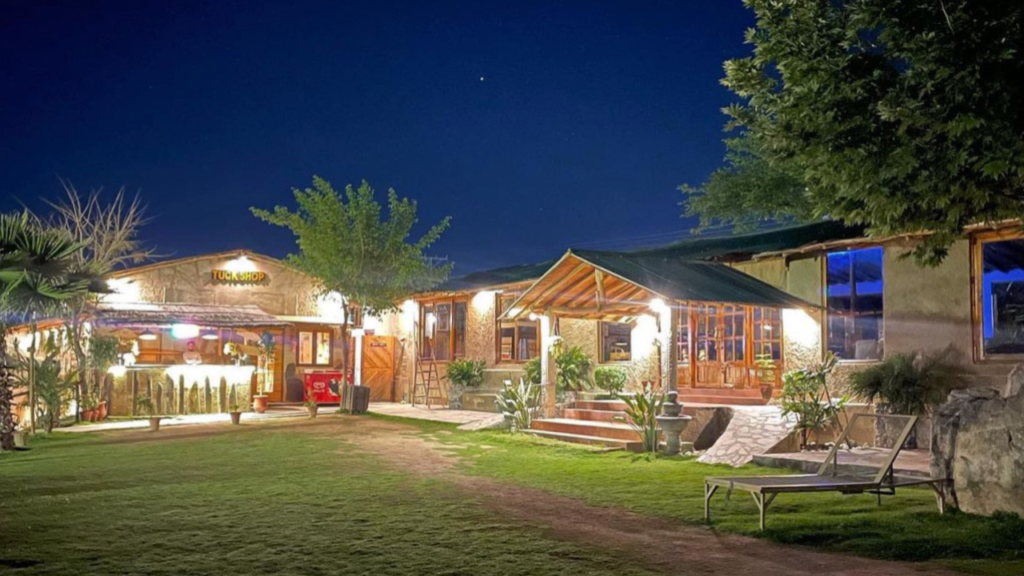
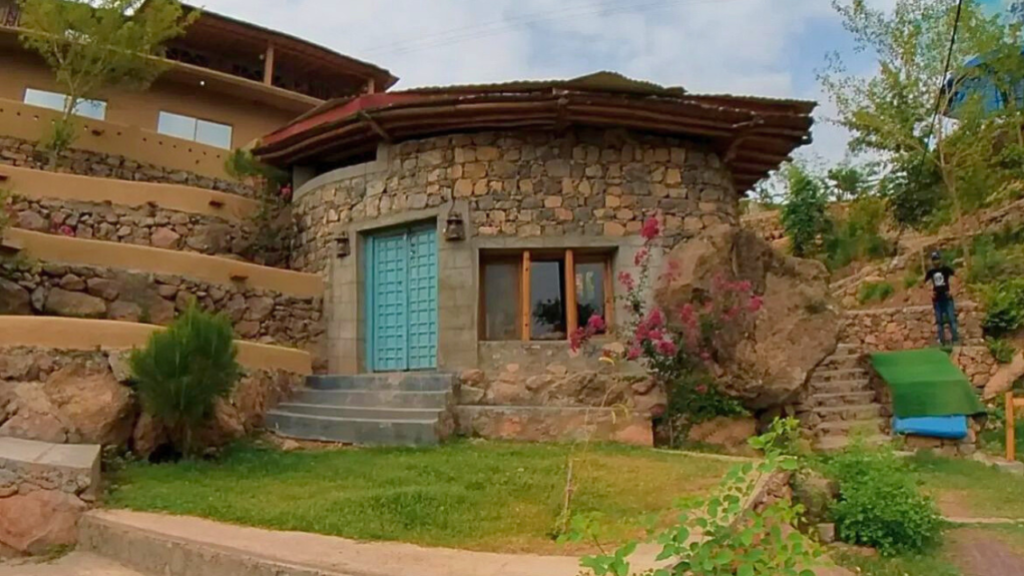
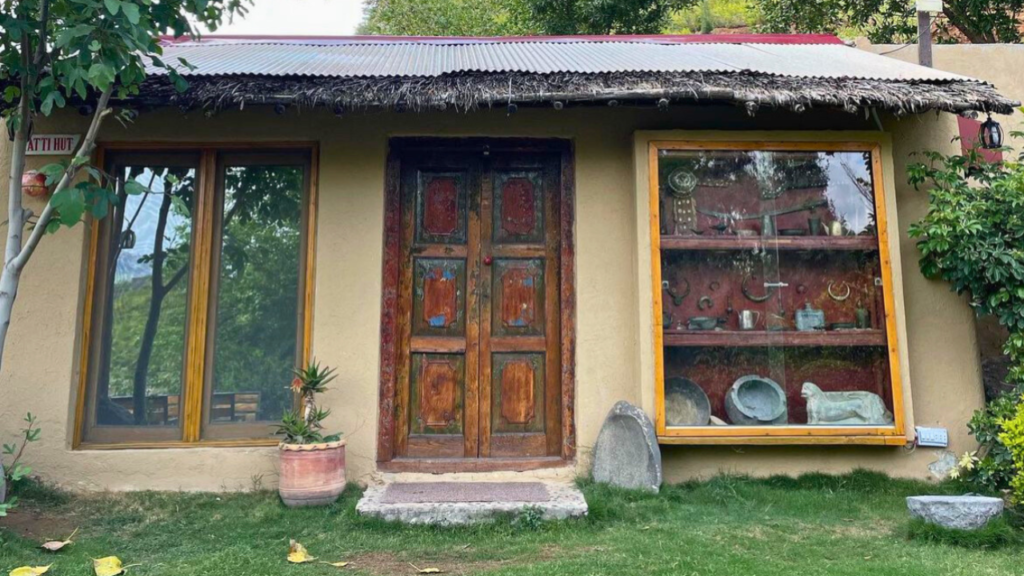
The resort was built relying only on available resources, such as local stones and natural elements, to maintain the local essence partly due to financial constraints. Their first recruits were two labourers they encountered on the roadside, technically proficient but needing to be more skilled in beautification. They successfully built the very first huts, the Green and Red Huts, known as Savi and Raati.
“The location was very clean and green,” said Salman, a tourist who was visiting from Bahawalpur and stayed a couple of nights in the huts, “the place was crowded in the morning but very clean at night and airy”.
“We have dedicated staff responsible for cleanliness, waste sorting, and the sale of recyclable materials. Nothing is wasted; they meticulously separate items, boosting their income through recycling. We promote ‘schwanging’ and do not deduct from their earnings,” shares Haider.
Bio-fertilisers play a crucial role in their eco-friendly approach and in maintaining the resort’s lush green. “We create deep holes filled with bio-waste, allowing it to transform into fertiliser over six months. A specialised team manages this process, and we utilise the fertiliser for our purposes,” Haider highlights, adding that even maintaining the water quality is crucial to them. “Our water-cooled boats prevent any contamination, and we encourage kayaking while transitioning to manual operations from mechanical ones”.
Even the wastewater is utilised for irrigation with designated areas to recycle water. They pump the wastewater into the mountains to promote greenery.
For Haider, sustainability extends to go beyond nature. Today, their first gardener, Parvez, is the maintenance and horticulture manager at Mabali. Each member of his 150-strong team has a unique story.
Most of the workforce comes from the local community and additionally supports 200+ families. They believe in enhancing the capabilities and well-being of everyone associated with the resort. Providing education, training, and better living conditions for those who contributed in any way to the development of the resort, their personal lives and the environment.
Additionally, 5% of the resort’s income directly funds the Mabali Foundation, assisting their workers with medical, family, education, and other needs. “We also extend support to neighbouring villages and individuals without adequate support,” says Haider.
Mabali, in Pakistan, stands not only as a thriving tourist destination but also as a symbol of sustainability, community engagement, and a visionary quest to redefine Pakistan’s image on the global tourism stage.
Looking for more travel inspiration? Explore our Accommodation Tips page for other captivating reviews and discover your next dream destination.
Annam Lodhi, an Islamabad-based freelance journalist and MSc Development Studies student at NUST, excels in data journalism and inclusivity. A recipient of the Agahi Award in 2020 and 2021, she writes for national and international publications, exploring the intersections of gender, culture, tech, and climate change. With a passion for turning data into compelling human interest stories, Annam specialises in long-form and investigative features. Connect with her at annamklodhi@gmail.com or visit annamlodhi.com.
| Cookie | Duration | Description |
|---|---|---|
| cookielawinfo-checbox-analytics | 11 months | This cookie is set by GDPR Cookie Consent plugin. The cookie is used to store the user consent for the cookies in the category "Analytics". |
| cookielawinfo-checbox-functional | 11 months | The cookie is set by GDPR cookie consent to record the user consent for the cookies in the category "Functional". |
| cookielawinfo-checbox-others | 11 months | This cookie is set by GDPR Cookie Consent plugin. The cookie is used to store the user consent for the cookies in the category "Other. |
| cookielawinfo-checkbox-necessary | 11 months | This cookie is set by GDPR Cookie Consent plugin. The cookies is used to store the user consent for the cookies in the category "Necessary". |
| cookielawinfo-checkbox-performance | 11 months | This cookie is set by GDPR Cookie Consent plugin. The cookie is used to store the user consent for the cookies in the category "Performance". |
| viewed_cookie_policy | 11 months | The cookie is set by the GDPR Cookie Consent plugin and is used to store whether or not user has consented to the use of cookies. It does not store any personal data. |