


Malaysia combines stunning landscapes, vibrant culture, ancient nature, and dynamic cities. It is one of those places that leaves an indelible mark on your memory, inviting you to explore its offerings, from the colourful Batu Caves in Kuala Lumpur and the bustling food markets of Penang to the lush beaches of Langkawi. It’s one of my favourite places worldwide and a space I crave to go to every other year since my first exploration in 2017.
Surprisingly, Malaysia is on its way to becoming a more sustainable nation, committed to incentivising locals, tourists, and everyone. I had the pleasure of exploring this beautiful land with local friends who took me off the beaten tourist path and immersed me in the authentic side of Malaysia.
In this article, I will share some of my incredible experiences in Malaysia, recommend must-try activities, dishes, and sights, and provide insights from the locals about their way of life.
Kuala Lumpur is Malaysia’s capital and home to the famous Petronas Towers. While driving on the highway to the city, our local friend Sam shared stories of his favourite spots, from his workplace to childhood hangouts and the best shopping experiences we shouldn’t miss. As he shared his suggestions, I couldn’t help but dream of the food haven I had landed in and anticipate all the unimaginable flavours I would get to try. The first night was spent strolling through Bangsar, a street full of rich culture, cuisine and community feel – there is something there for everyone, from nightlife to tailors, shopping to street food. I was glad I wore flat shoes and a summer outfit because the heat was still in the air, even at 10 p.m.
A personal stop recommendation: Stroll through Chinatown to indulge in dim sum, bubble tea, and local delights like cendol – a Malaysian sweet dish chilled with ice, green rice flour jelly, red beans, coconut milk, and palm sugar. What struck me was the no-waste policy at the restaurant, where you ordered only what you could eat and took the rest as a takeaway. It was a step towards Kuala Lumpur’s goal of becoming a world-class sustainable city by 2026, as the Malaysian Institute of Planners outlined in 2019.
The iconic Petronas Towers dominate the Kuala Lumpur skyline, attracting busy city dwellers and tourists from dusk to dawn. The average ticket price is £5 for entry. However, rather than enter them, Divya, my friend from Malaysia, recommended exploring local life via eco-friendly scooters, which are available to go around the area around the towers, where you will discover food stalls, shopping malls, and small parks to relax and enjoy. It made me chuckle, as in a similar way, when friends ask me what to see in London, I suggest dodging the tickets to the London Eye or Shard Tower and instead losing myself in the streets to see the actual city.
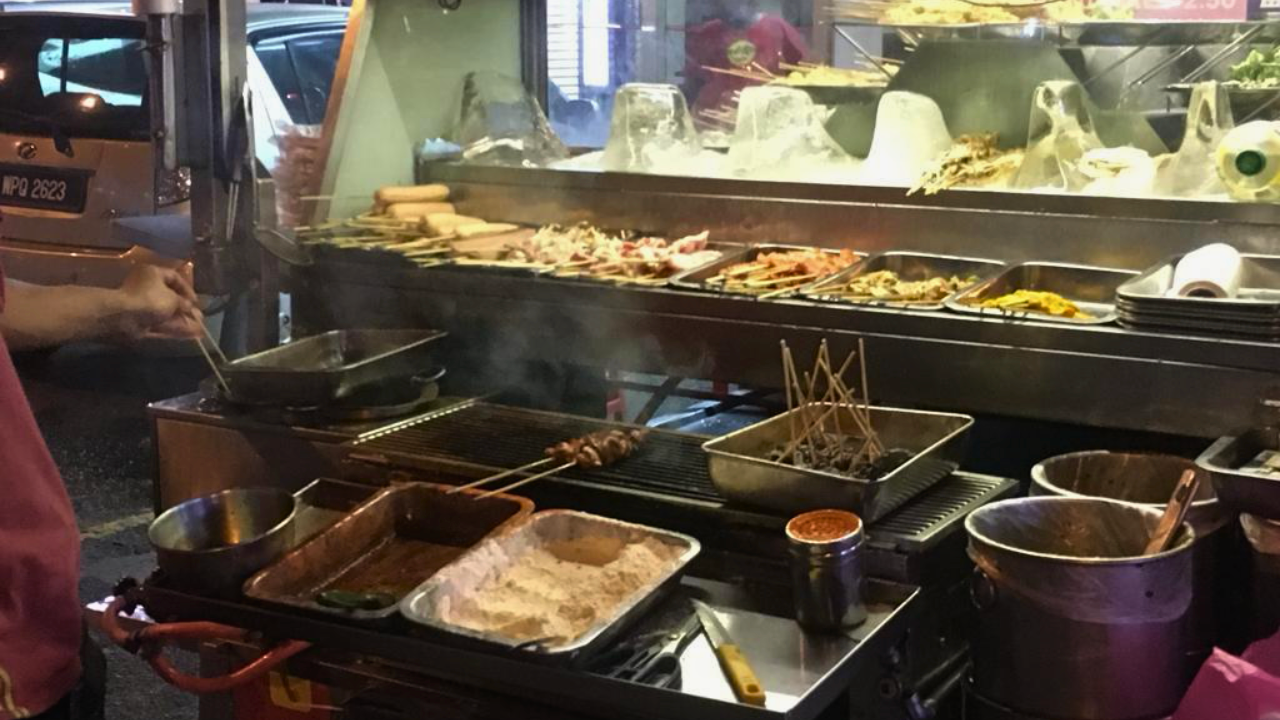
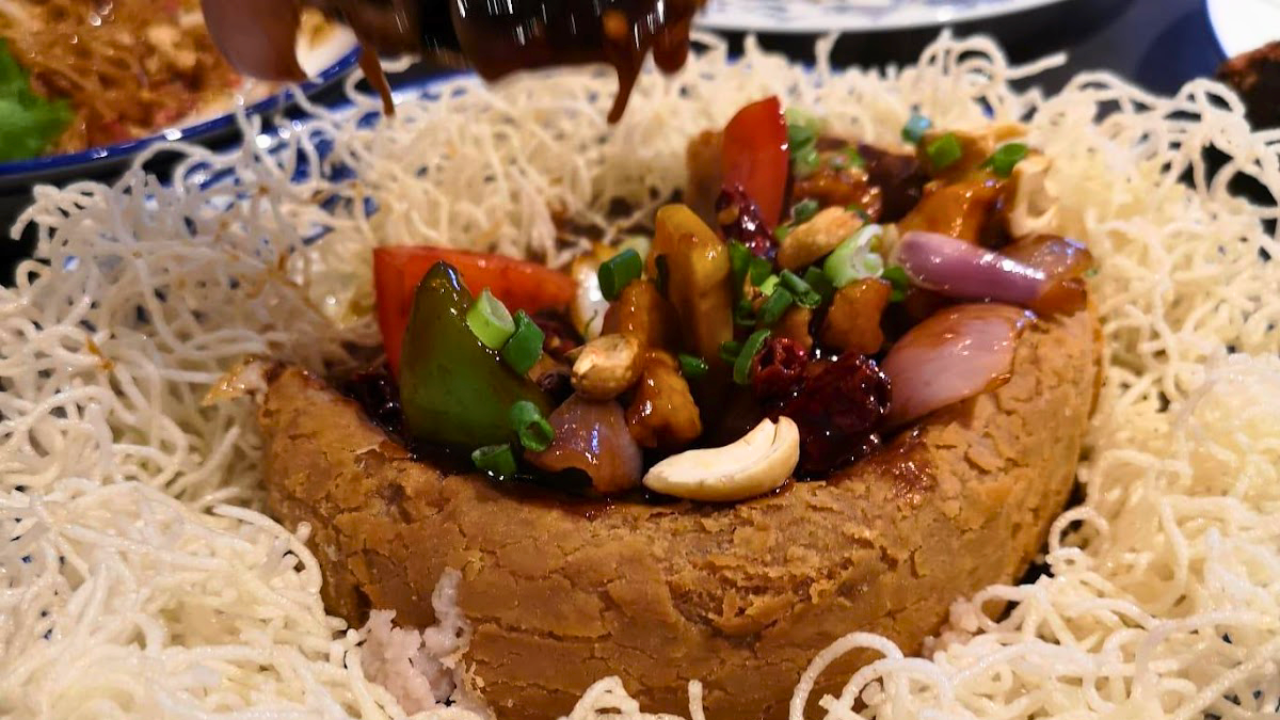
Any trip where you don’t taste the local food is missing out on a great experience. Mamak food hubs are small family-run stores born from a passion for food and are scattered throughout the city, each with its speciality. Since Malaysians have a knack for using every available food to create something new, I sampled various Malaysian delights, from nasi goreng to teh tarik (my favourite) to red bean soup. I had some of the best dishes of my life for as little as £2. If you are trying a bit of everything, these food hubs serve small portions so you can go on a foodie journey.
So when in Kuala Lumpur, visit these spots that are a must according to locals – and my own experience to learn, socialise and savour the culture while supporting local businesses. The mamaks are the go-to stop after hours, once the parents are asleep and the young people are ready to take over the city. Divya and Sam shared that mamaks are a great place to meet friends and hang with cousins, especially after family events or on the weekends.
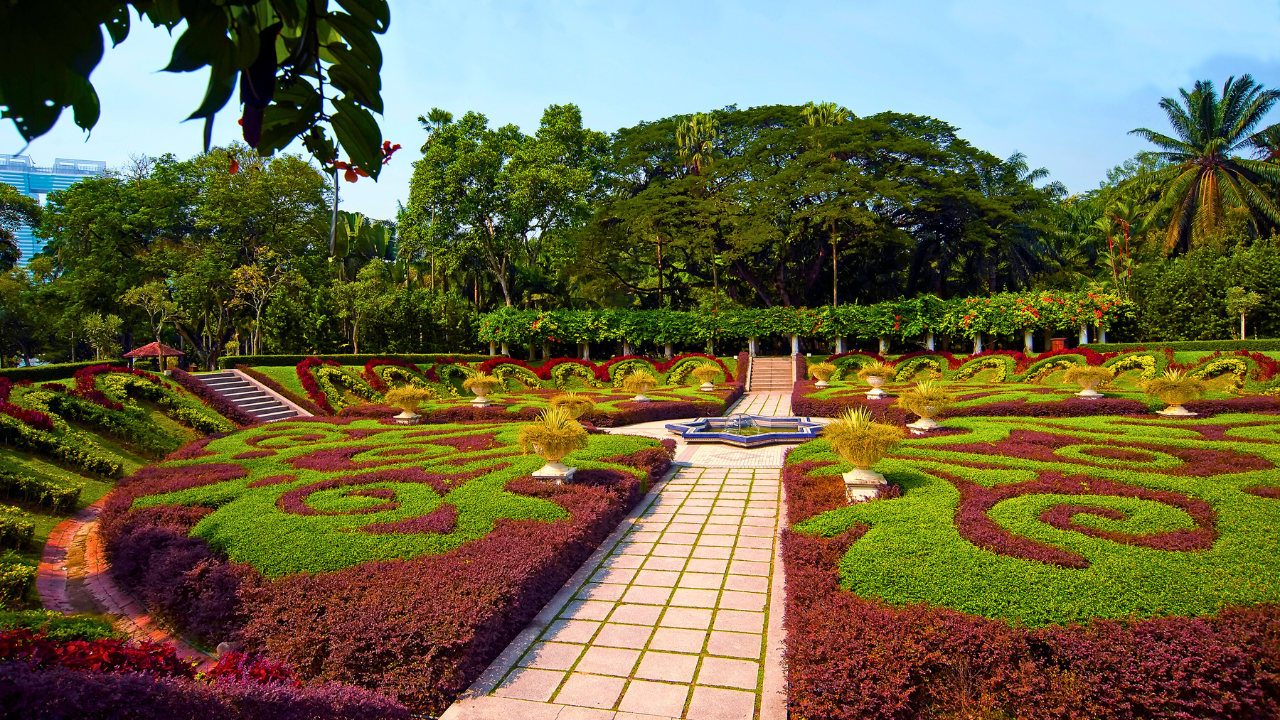
The Eco Park and Botanical Gardens are perfect for hiking, nature, and lush greenery. While these spots are undeniably Instagram-worthy, many hikers are there for the mental refreshment rather than social media validation. To promote sustainability efforts, both locations are open to collaborations with media, press, and local influencers to raise awareness and gather donations. Working together is essential to preserving our planet, and these green spaces in Malaysia are doing their part. These gardens are open from 8 am – 5 pm daily and have no ticket to entry, though I recommend having some spare cash to donate to preserve the park – remember, a little goes a long way in Asia.
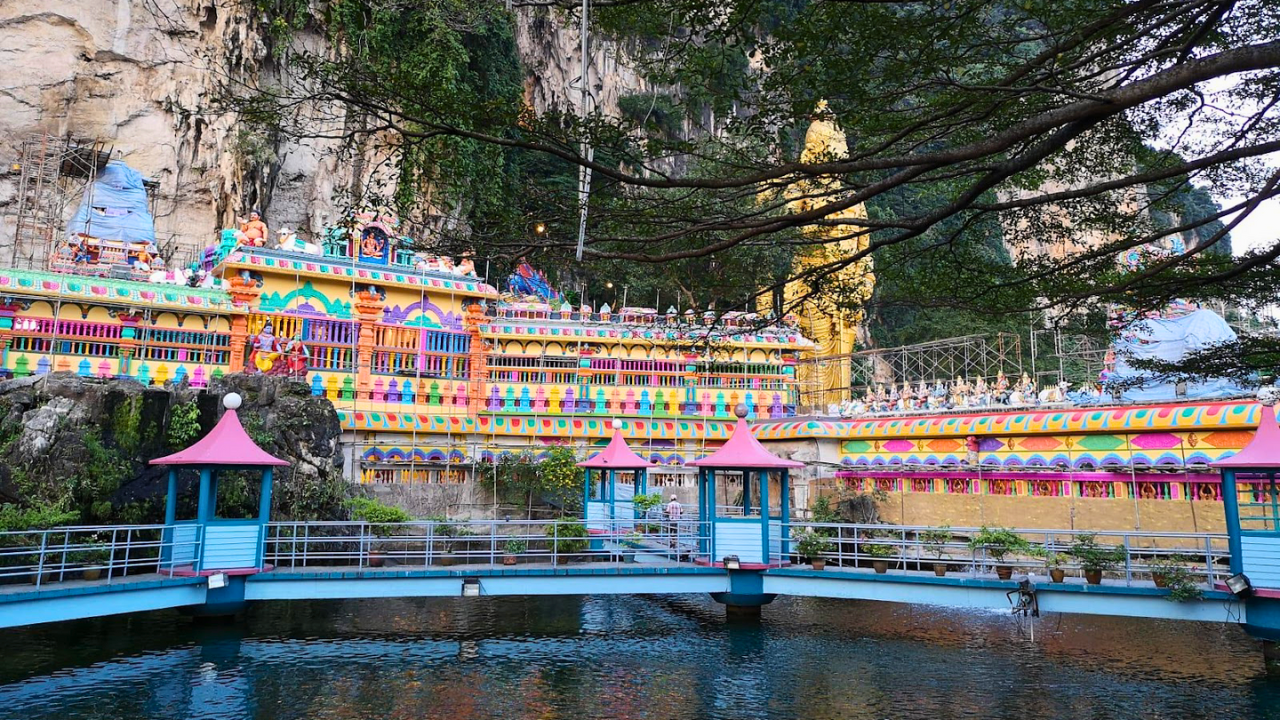
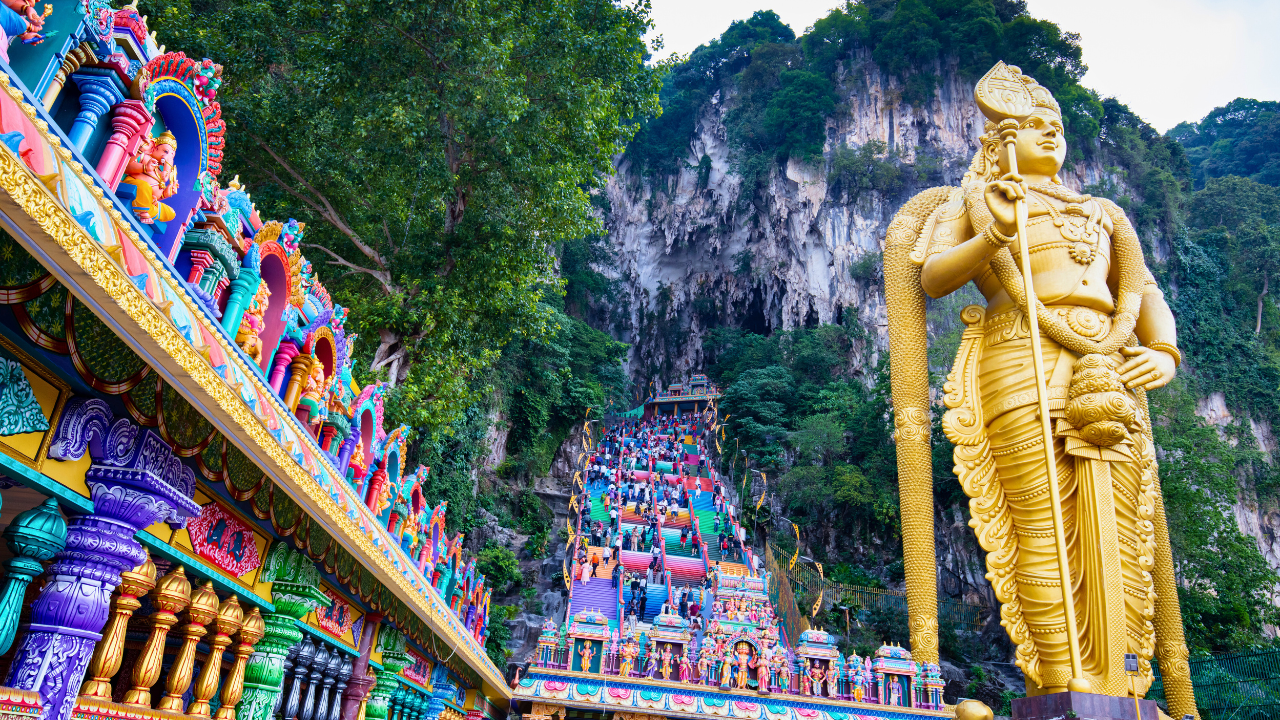
Located about 13 kilometres from central Kuala Lumpur, Batu Caves is a collection of temples nestled within caves that gained fame in the 1800s when settlers explored Kuala Lumpur. To make them more appealing, the stairs leading to the caves are painted in different colours to add to the incredible atmosphere. There are several caves to explore, and I had the fortune – or misfortune? – of encountering bats for the first time, complete with their cries and flights. It’s an experience one discovers only sometimes.
While the caves are open to the public, it is essential to respect local rituals, such as appropriate clothing and consider contributing to its restoration efforts. Locals often volunteer around the caves. Having the opportunity to speak to the volunteers as we walked the steps, I was told of the peace the caves bring and the disconnect between tourists and the temple when it came to taking your shoes off, donating for upkeep and focusing on the community over content.
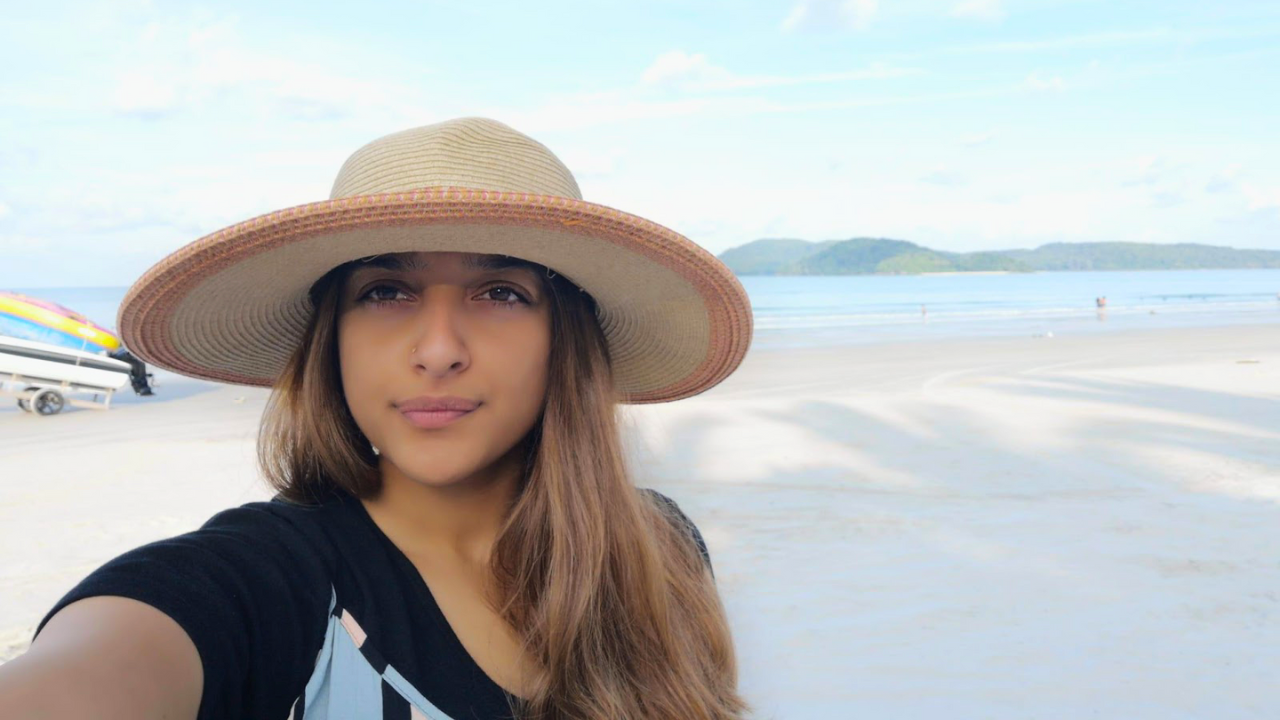
Just an hour away from Kuala Lumpur via plane or 4 hours by boat lies the lush paradise of Langkawi. The prices will vary but range from £5 – £50 depending on your mode of transport. Since 2007, Langkawi has been recognised as Southeast Asia’s first UNESCO Global Geopark, with sustainability and ecotourism initiatives taking centre stage.
Activities like beach clean-ups and bird watching contribute to Langkawi’s commitment to preserving its natural beauty. Our accommodation wasn’t available for check-in as we arrived, so instead, we sat by the beach at a local cafe, drinking coconuts and staring into the sea, a strange sight for anyone from the concrete jungle of London.
Also, I’m conscious of supporting the local economy when I travel, so rather than all-inclusive, I opted for savouring the fresh, locally sourced food the island offered. Try the fresh fish, fruits and beverages in the small restaurants by the sea. Also, remember to visit the local market stalls that sell handcrafted items such as fabric harem pants, woven bags, swimwear made of recycled materials and sun hats, the kind that Prada would stamp their badge on and sell for 100 the price.
Every morning, I indulged in kaya (coconut) jam with toast and tea, a staple breakfast meal in restaurants nationwide or jam jars to make at home.
The island doesn’t have core working hours because something is always on, but as you can imagine, the markets close around 8 p.m. when the bars begin to open. In hindsight, the beauty of Langwaki is the feeling that everyone feels at peace on their humble island, which is so tiny compared to the central city and yet everything you need to grow in simplicity with a sea view.
Our final destination involved a four-hour road trip to the island of Penang, known as the food centre of Malaysia. Though I am not a huge fan of long road trips, I highly recommend this journey, which includes a beautiful connecting bridge.
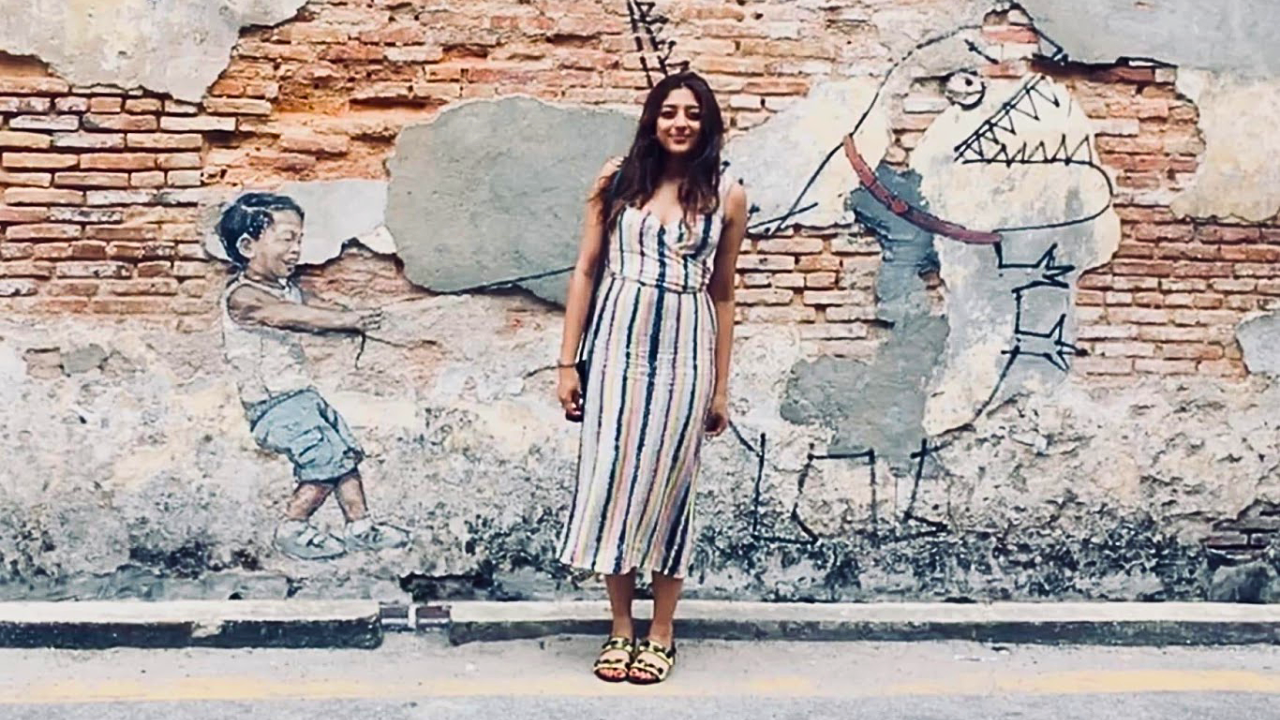
Penang invests in preserving old buildings, including shophouses, and dedicates time and resources to restoring temples. Head to Betaling Street to bask in art, murals, and culture. For affordable food, go to Hawker Centre, which offers fantastic local meals.
With so many places to choose from, Divya and I spent an afternoon strolling the city and researching Google reviews for the best coconut cake in town. We went into one cafe but found the natural light limiting, so we popped into the other. It wasn’t the calories we were counting but the variety of cakes they offered. Most hidden gems don’t have a Google or TripAdvisor page, so roaming the streets and peeping in through the window displays is the way to foodie heaven.
Before returning to Kuala Lumpur, we stopped at Cecil’s food court, which our friends signed off as the best place for a Roti Chanai, Durian, and Mee Goreng.
In addition to the above, a few top tips from my side include travelling off-peak from September to December, carrying cash with you and activating an e-sim so that you can make the most of the e-scooters or local transport. As a woman, I always feel safer sharing my location with others in an emergency and staying in a central location so everything is lit up and safer.
Going to Malaysia will come with unforgettable memories and rich experiences. With a commitment to sustainability and preservation, it is a unique destination where cultural scenes and natural wonders await. Whether you’re exploring the vibrant streets of Kuala Lumpur, savouring local delicacies at Mamak stores, or hiking in eco-friendly parks, Malaysia will always have something to awaken your senses. To ensure that we support the local community, it’s good practice to take donations for the temples, wear comfortable clothes as you explore the city and ask the locals for their recommendations.
If you are looking for other cultural destinations, visit our website’s Art and Culture page.
Sonya is a Neurodivergent Award-Winning Founder of Social Inclusion Network LMF Network, the Best-Selling author of Unprepared to Entrepreneur and BBC Presenter of The Everyday Hustle. She is a also keynote speaker on everything neurodiversity, tech, travel and trends and hosts “The Sonya Barlow Show”.
| Cookie | Duration | Description |
|---|---|---|
| cookielawinfo-checbox-analytics | 11 months | This cookie is set by GDPR Cookie Consent plugin. The cookie is used to store the user consent for the cookies in the category "Analytics". |
| cookielawinfo-checbox-functional | 11 months | The cookie is set by GDPR cookie consent to record the user consent for the cookies in the category "Functional". |
| cookielawinfo-checbox-others | 11 months | This cookie is set by GDPR Cookie Consent plugin. The cookie is used to store the user consent for the cookies in the category "Other. |
| cookielawinfo-checkbox-necessary | 11 months | This cookie is set by GDPR Cookie Consent plugin. The cookies is used to store the user consent for the cookies in the category "Necessary". |
| cookielawinfo-checkbox-performance | 11 months | This cookie is set by GDPR Cookie Consent plugin. The cookie is used to store the user consent for the cookies in the category "Performance". |
| viewed_cookie_policy | 11 months | The cookie is set by the GDPR Cookie Consent plugin and is used to store whether or not user has consented to the use of cookies. It does not store any personal data. |