
A road trip along the Dalmatian Coast in Croatia, one of Europe’s most popular summer holiday spots, is the ideal way to fully appreciate its splendour.
On this road trip, there are four stops you must make to learn about the history, culture, and traditions of this stunning region of Croatia, starting in the south at Dubrovnik and ending approximately halfway up the Dalmatian Coast at Split. These four cities, which are surrounded by tall, lush mountains and the azure Adriatic Sea, as well as a variety of coves and islands, astonish visitors with their well-preserved mediaeval architecture and significant historical sites.
Our first stop on this road trip is none other than the “Pearl of the Adriatic”, the famous Dubrovnik. The city is one of the most popular tourist destinations in the Mediterranean, especially after being used as the setting for the Game of Thrones series.
The city of Dubrovnik was created by the ancient Greeks, taken over by the Venetians, and ruled itself as a free state between the 14th and 19th centuries. The city’s wealth was founded on sea trade, and as the capital of the Republic of Ragusa, it flourished greatly, especially in the 15th and 16th centuries.
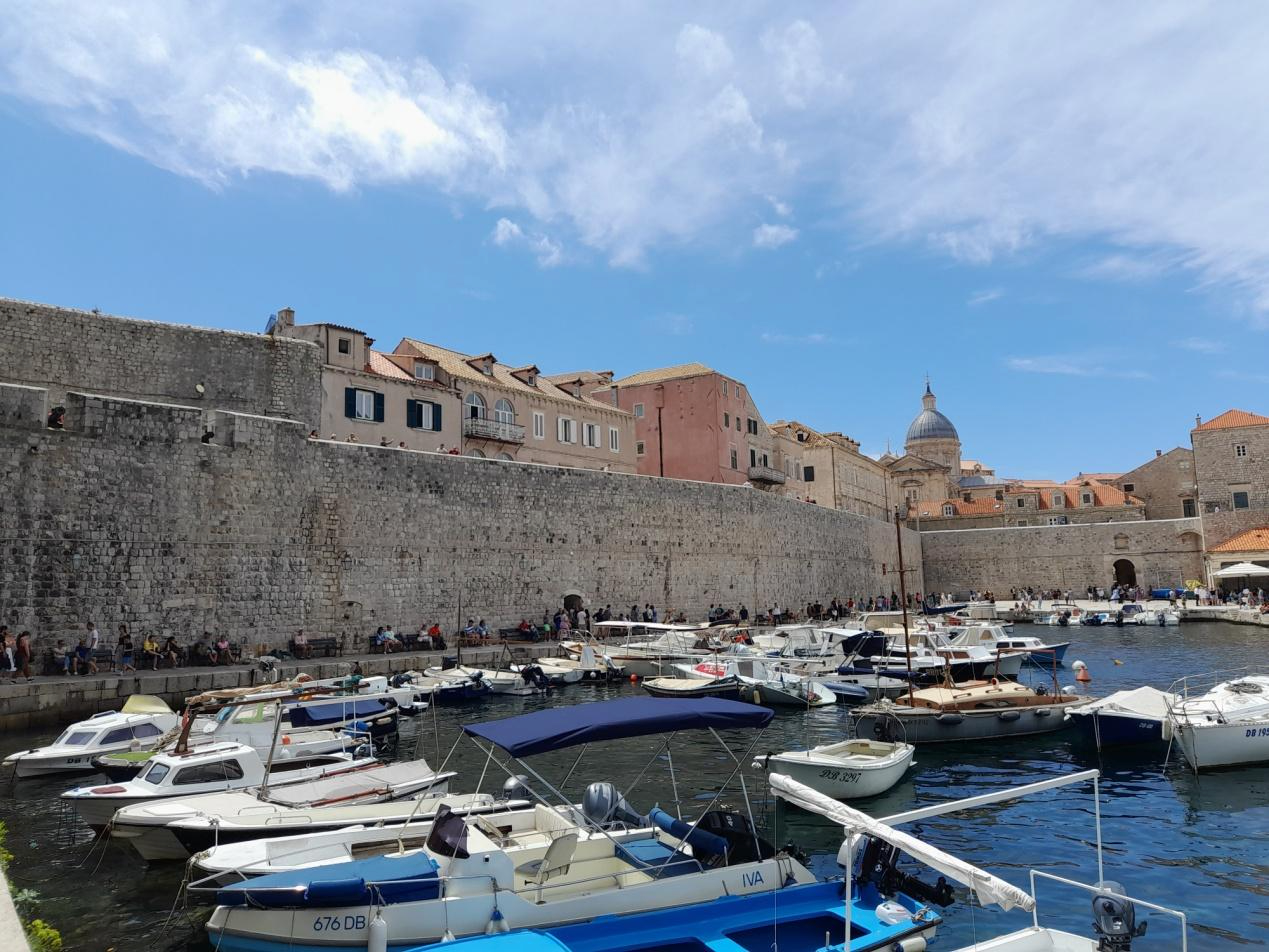
Built on a peninsula surrounded by the Adriatic Sea, Duborvink’s old town is a UNESCO World Heritage Site. Strong walls with ramparts, towers, and a moat encircle the entire city, and even the most discerning visitor will be impressed by the historical structures’ extent and level of preservation.
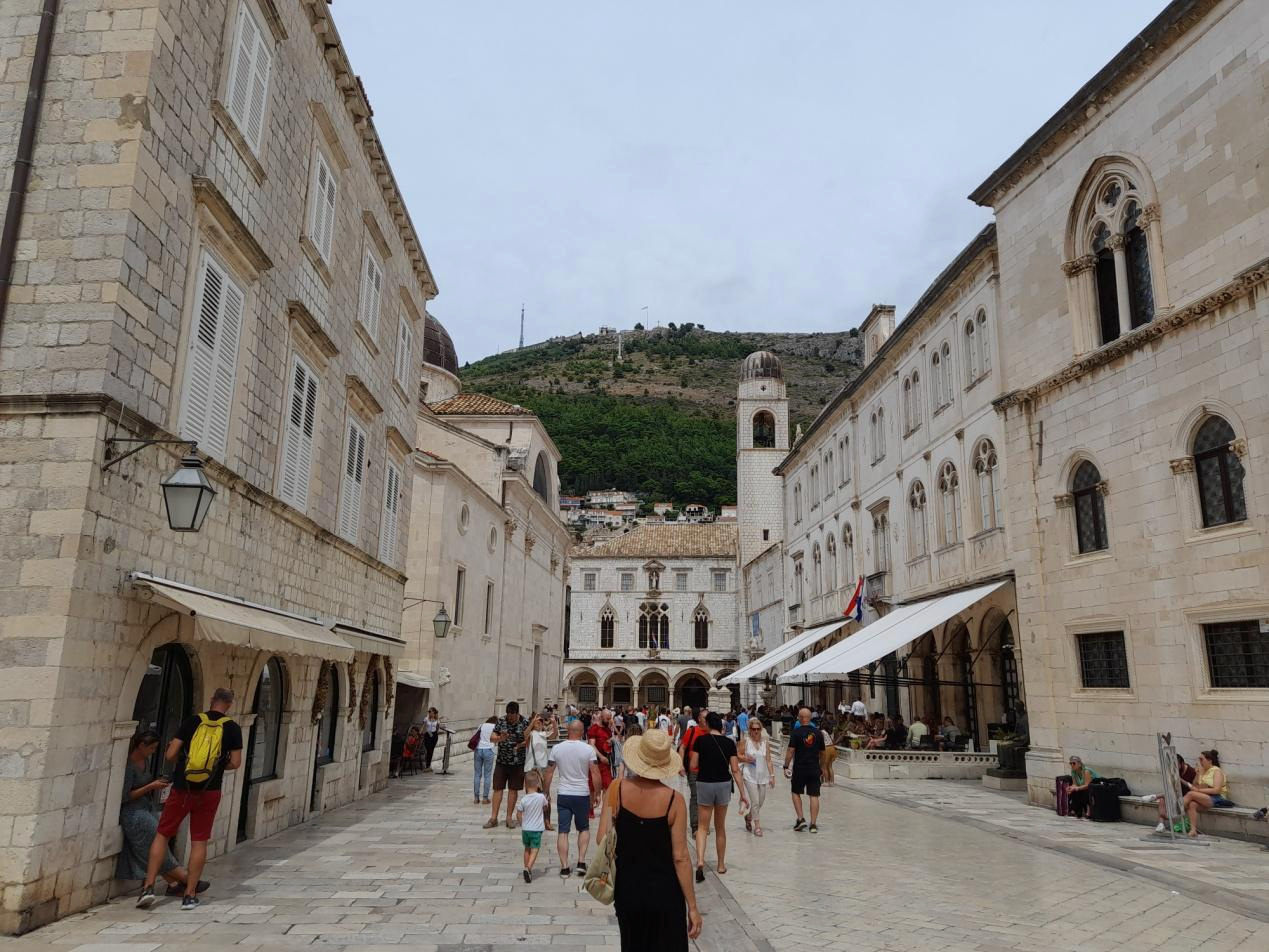
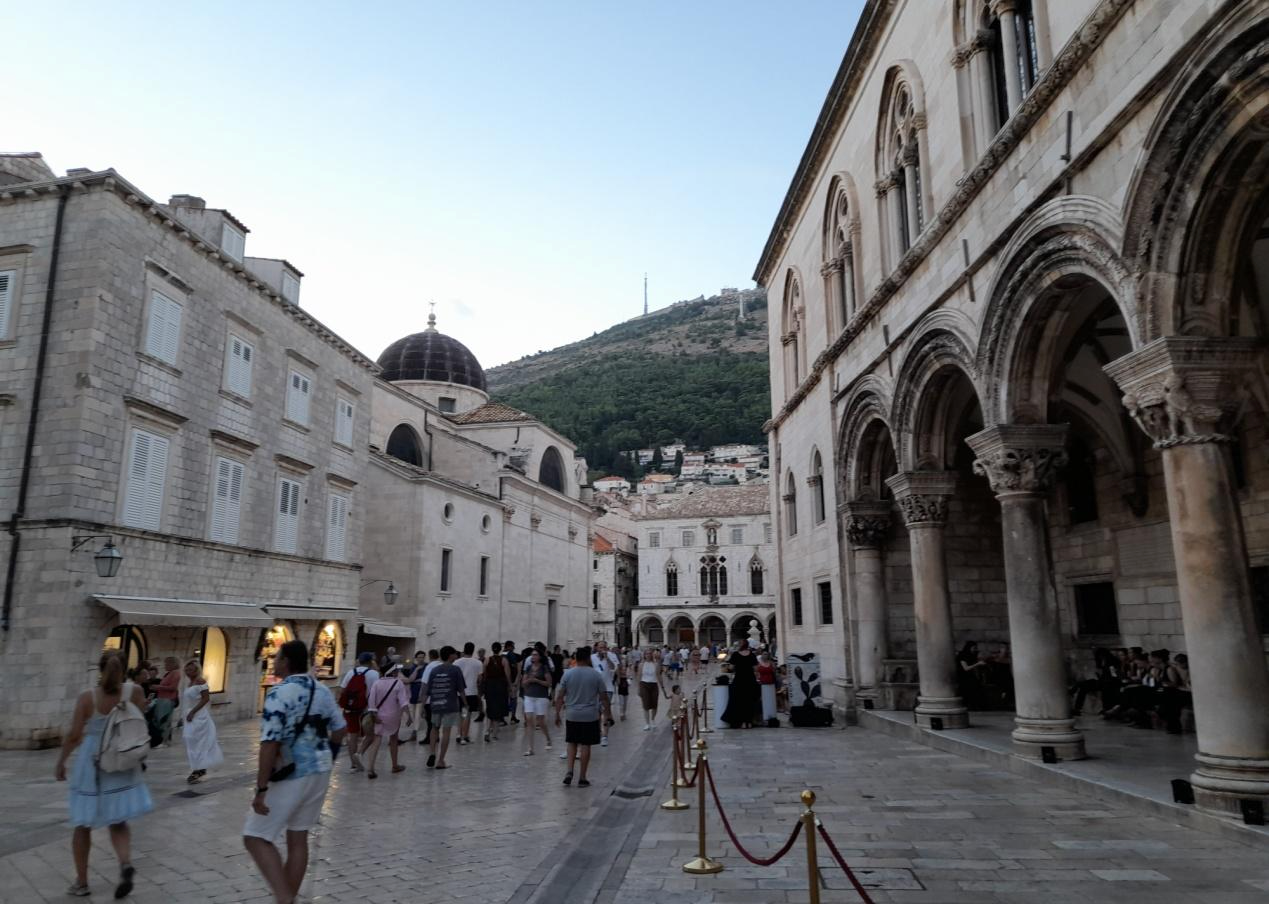
A tour of the old town usually starts at the Pile Gate, which leads to its central street, the vast and impressive Stradun. All the significant structures are situated close to this street, which served as the city’s main thoroughfare during the Middle Ages. The centre square and the towering Rector’s Palace sit at the end of Stradun, and the cathedral’s dome and towers dominate the skyline next to it.
From here, a maze of streets begins on both sides of the city, leading to grand structures, tiny churches, charming arcades, and stairs that ascend to the city walls. And while the city’s core surely becomes overrun with tourists during the summer, you can always find a secret spot just waiting for you to discover it.
And, of course, no visit to Dubrovnik is complete without a walk on the city walls. They are undoubtedly a symbol of the city, which extends for a total of 2 km. In many places, the walls reach a height of 25 metres, offering a breathtaking view of the city and the deep waters of the Adriatic.
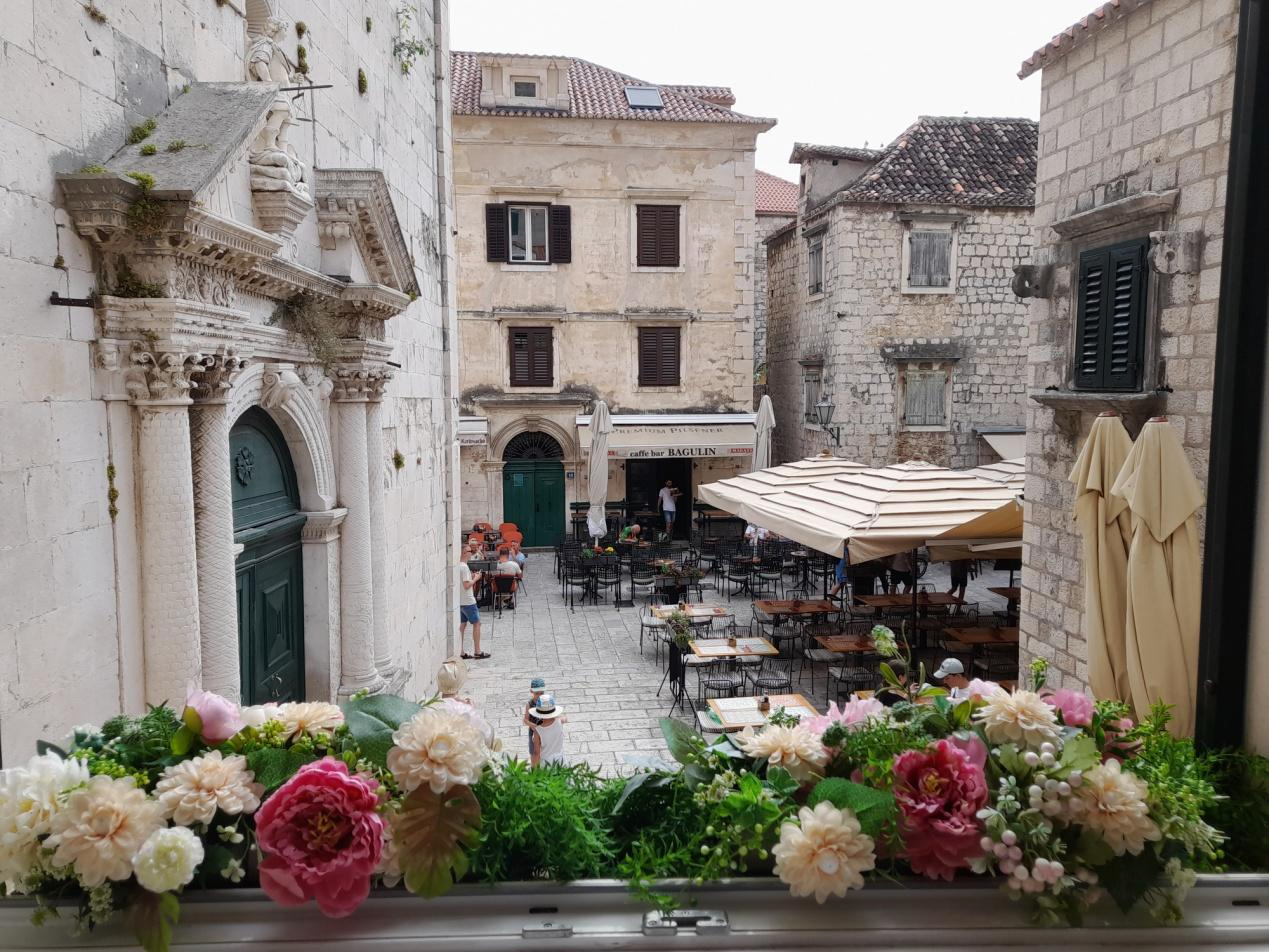
Last but not least, dining at one of the many restaurants in the old town is worthwhile. With tables spread out in the streets and excellent cuisine, you can choose your favourite spot for a perfect culinary experience.
Dubrovnik is a destination that, despite its tourist overexploitation, manages to retain its charm and entice travellers with its distinctive ambience.
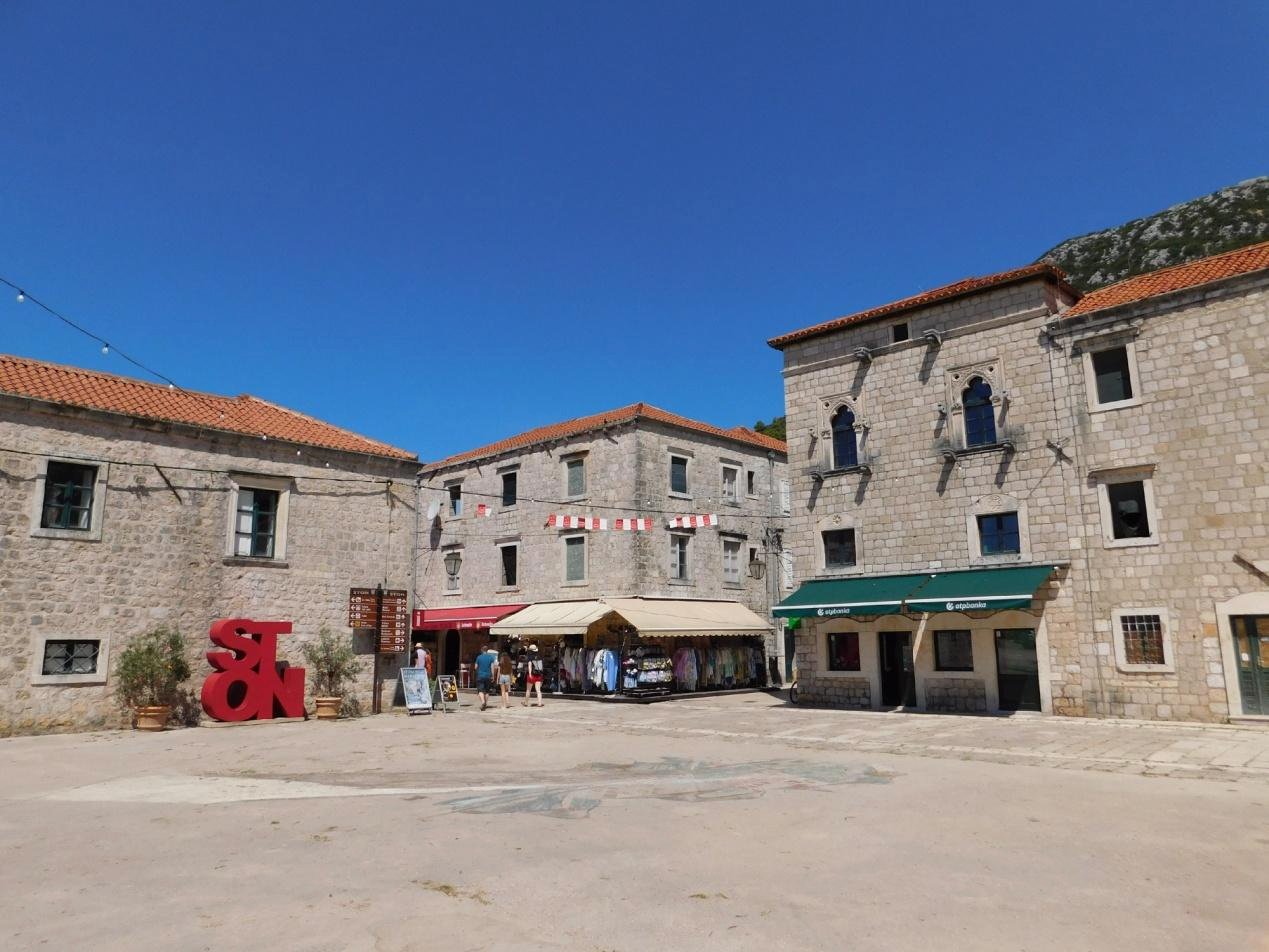
The picturesque and historic town of Ston is the second destination on the road trip along the Dalmatian coast. This tiny settlement is located where the Peljesac Peninsula meets the Croatian hinterland, only an hour from Dubrovnik.
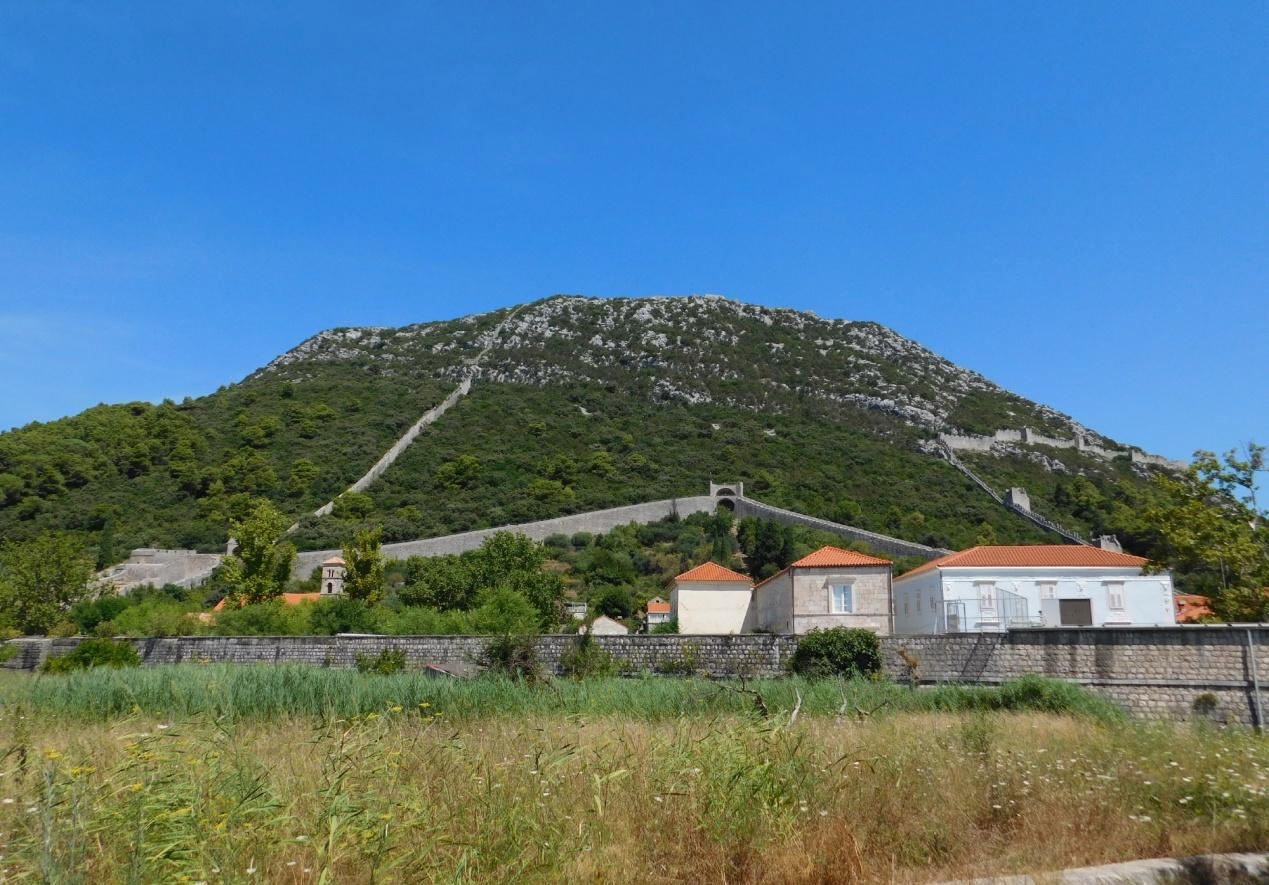
The Romans established Ston, which was crucial to developing Dubrovnik as a city-state. The historic walls of Ston, which stretch for a total of 5 kilometres and are significantly longer than the walls of Dubrovnik itself, are the city’s first and most notable attraction. They are frequently referred to as the “European Walls of China” since they are the longest defensive construction in Europe.
In order to provide additional protection for the Republic of Ragusa and safeguard the area’s valuable salt pans, the walls were constructed in the 14th and 15th centuries. They are made up of several towers and three strongholds. Parts of the once-seven-kilometre-long walls were demolished after the Republic was overthrown and in the nineteenth century, when the stone was used to build other buildings. The walls have been renovated and are now accessible to the public.
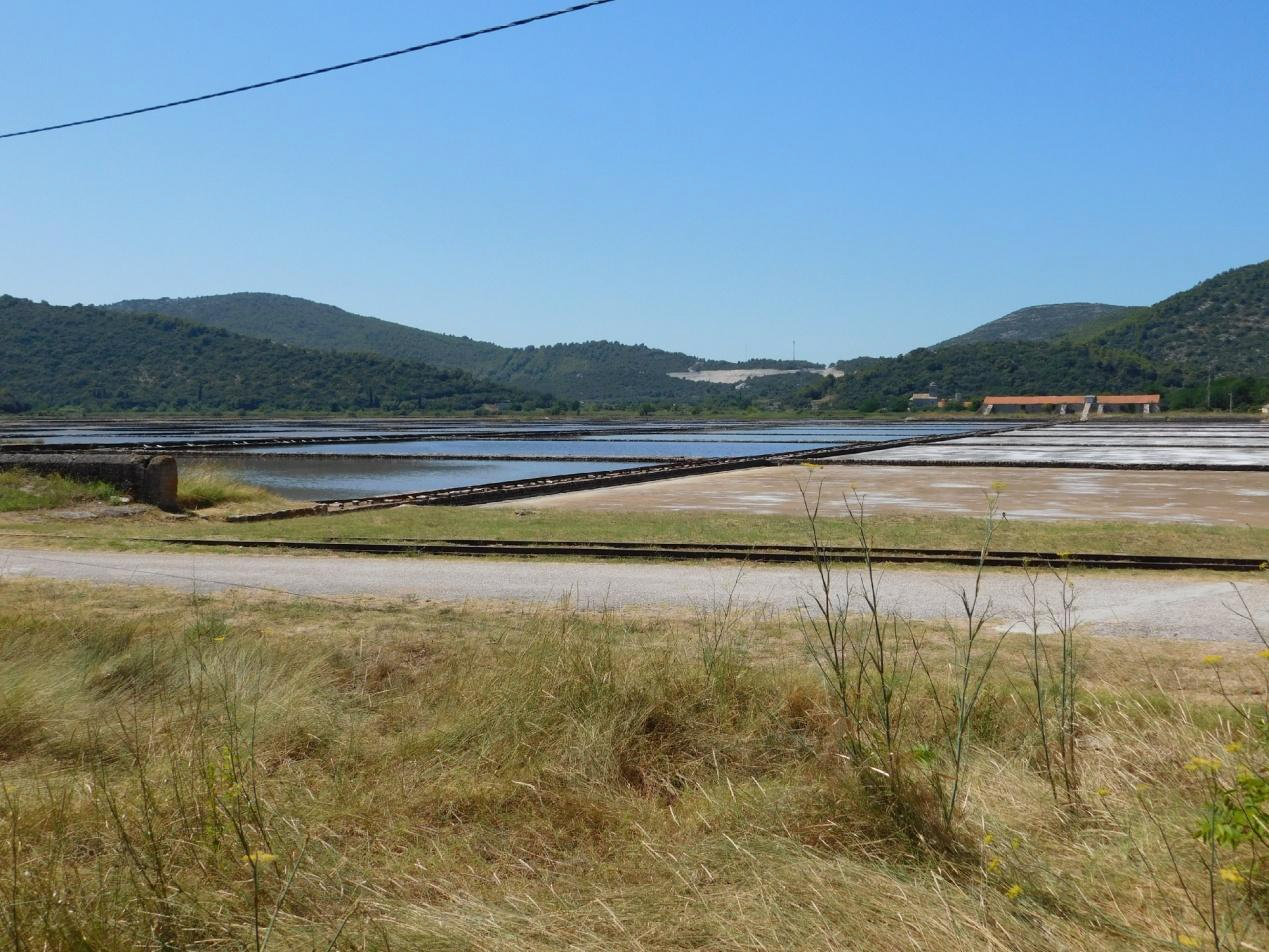
The salt pans, which were constructed in the 13th century AD and have always continued operation since then, are Ston’s second biggest draw. It is almost certain that the region’s salt was used even before the 13th century when it became one of the most significant goods produced there and significantly increased Dubrovnik’s prosperity. The salt pans are accessible to the general public, and there is a store where you can buy top-notch sea salt.
Apart from Ston, with its well-preserved old houses and picturesque alleys, just 1 km from its centre, there is a second settlement, Mali Ston (Little Ston), which is a peaceful and scenic port famous for its mussel farms, which you may try at the local restaurants.
Ston is one of the hidden gems of the Croatian coast and will impress you with its fascinating history.
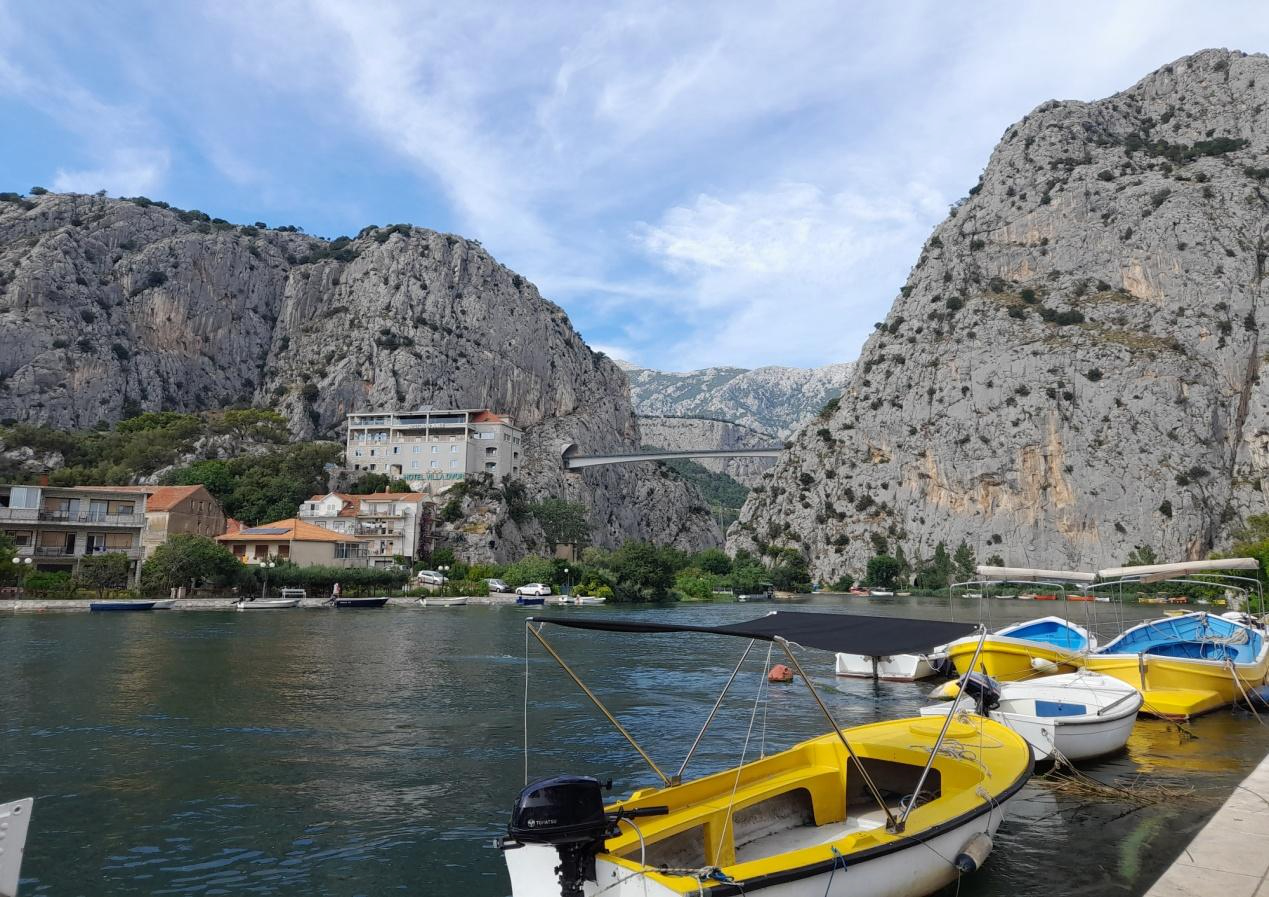
Our next stop, Omis, is a two-hour journey farther north along Croatia’s coast, and it is unquestionably a must-see on the Dalmatian coast. Omis was built on a location of exceptional natural beauty where the valley of the river Cetina meets the Adriatic Sea.
The Romans founded Omis, and during the Middle Ages, pirates who sought safety in the river valley made it their stronghold. The town’s centre is undoubtedly worth a visit because it preserves many of its mediaeval characteristics. The church of Saint Michael, whose majestic bell tower served as a defensive tower in the past, is the most remarkable structure in the town’s heart.
Omis has evolved into a peaceful vacation destination nowadays. On the one hand, it is the starting point for a number of well-liked activities on the Cetina River, and on the other, it offers a number of outstanding beaches with deep, clear blue waters. The most well-liked activities, which draw primarily young explorers from all over the world, are canoeing, rafting, and ziplining. Numerous companies also arrange one- or half-day river tours.
Omis is a small, charming place worth discovering on your way to Split.
The second-largest city in Croatia and the biggest on the Dalmatian coast, Split, is the last stop of our journey. Split is a contemporary city but also conceals a fascinating historical core.
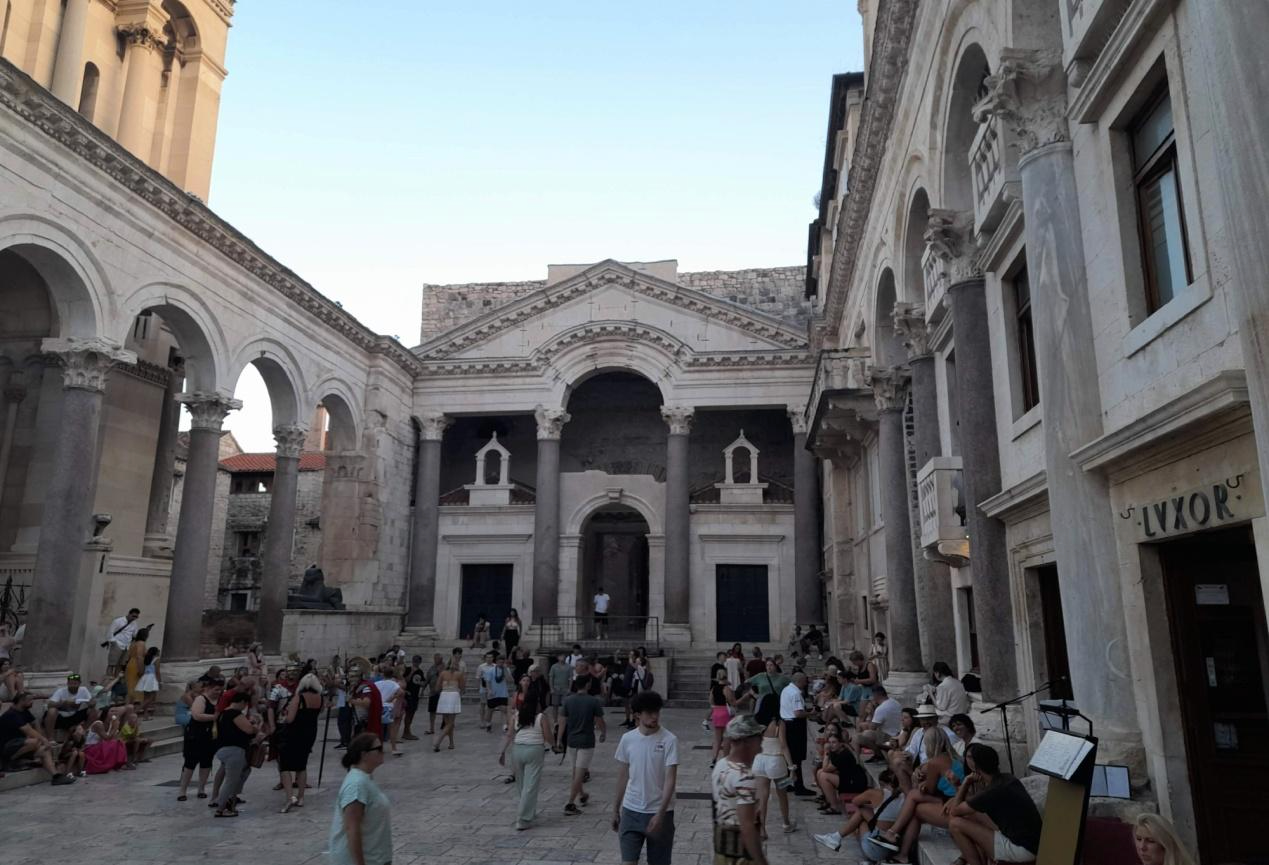
Before Diocletian’s palace was erected there in 305 AD, Split was a modest city. Around 650 AD, it rose to prominence when it replaced Salona as the old capital of the Roman province of Dalmatia. Afterwards, when the Avars and Slavs captured Salona, Roman refugees settled in the fortified Palace of Diocletian. Over time, the palace was dismantled and transformed into the heart of the new city.
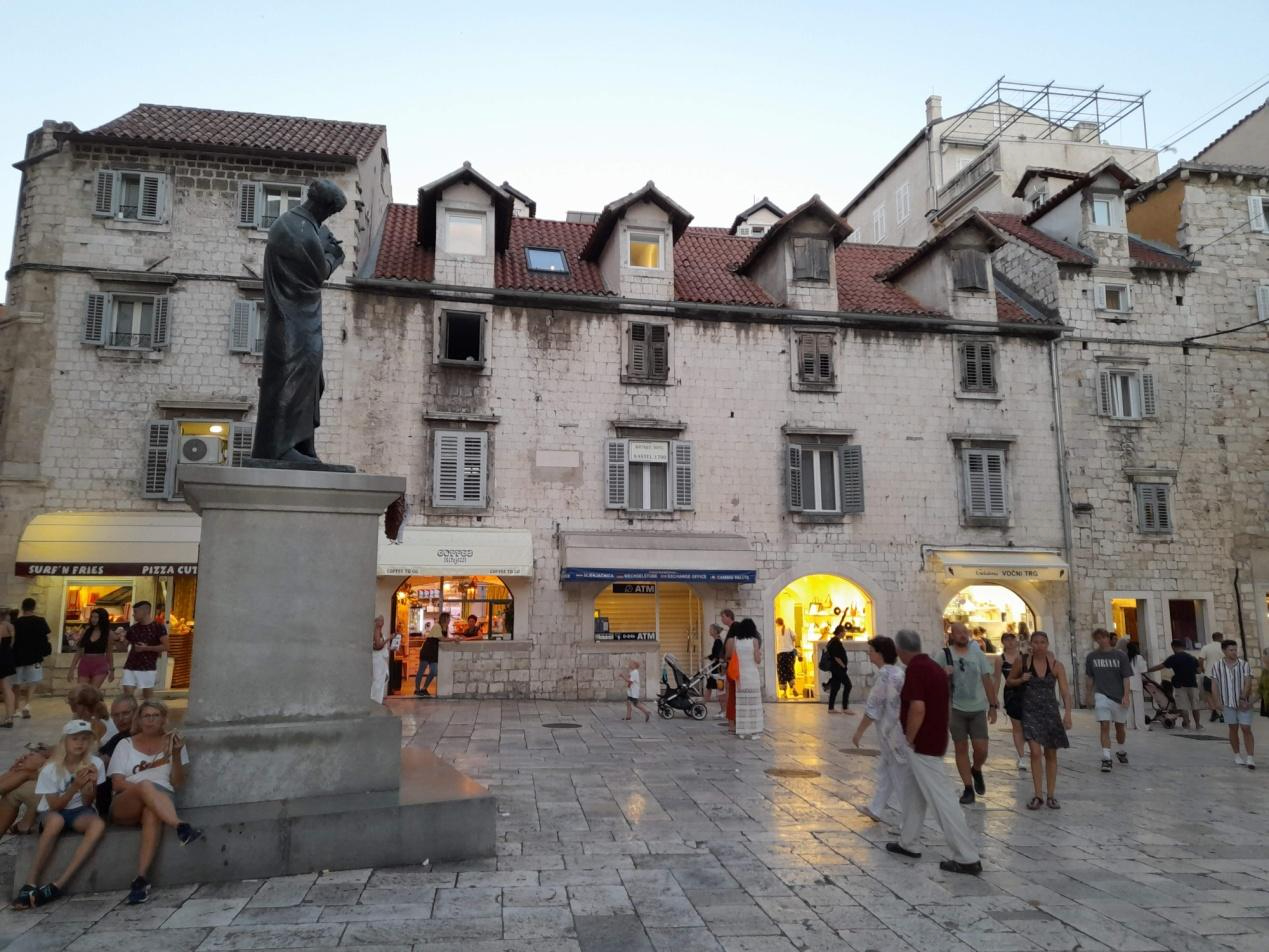
The remnants of the former palace are the city’s most significant landmarks. The palace’s central peristyle has been transformed into a square, the main hall into St. Domnius Cathedral, the Zeus Temple into a Christian Baptistery, and the cellars into stores. Additionally, many of the city’s later structures and homes were constructed using pieces of the palace or surrounding walls. The People’s Square, a gathering spot for locals outside the palace, and the Fruit Square, where the trade of fruit that arrived at the city’s port was originally held, are also two particularly noteworthy locations.
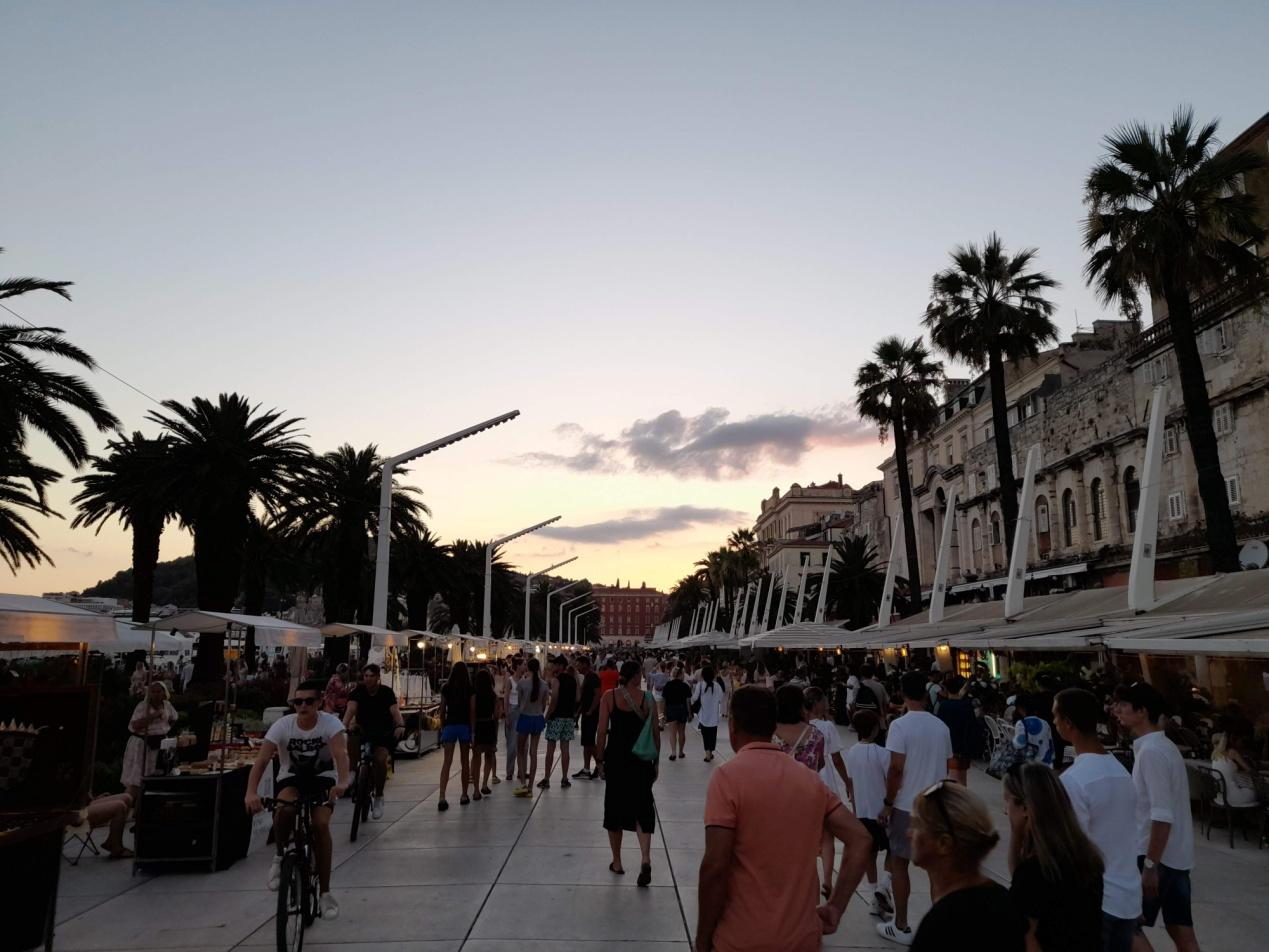
The renowned Riva beachfront promenade, however, is the city’s most beautiful feature. It is aptly referred to as the “Living Room of Split” and draws hundreds of visitors and locals throughout the day. It is the city’s centre and features a stunning palm tree projection between the city walls and the Adriatic Sea. The numerous restaurants and cafes along its length that are busy all day long maintain its lively spirit.
Split also has an energetic culinary scene with dozens of restaurants. Both new and established Croatian chefs who approach traditional food with a contemporary perspective provide distinctive dining experiences. Finally, it is important to note that Split has a vibrant nightlife, and especially during the summer, the city stays awake until the wee hours of the morning.
Split is a unique travel destination because it combines Roman ruins with mediaeval architecture, contemporary eateries, and a thriving local culture. These factors all work together to create the distinctive identity of the city.
Each of the above cities has its own character and important history. There are four places that can be the best introduction to the culture and civilisation of Croatia and, at the same time, become the starting point for exploring the entire Dalmatian coast.
With unique natural beauty, insurmountable historical monuments, amazing food, and unforgettable travel experiences, Dubrovnik, Ston, Omis, and Split are sure to satisfy every traveller.
If you are looking for other cultural destinations, visit our website’s Art and Culture page.
Antonis Tsapepas is co-founder of Voyagers Voice and founder of By Food and Travel, a website for people who want to travel and taste new things. Travelling is a way to escape, learn, discover unforgettable places, meet interesting people and try gastronomy from all over the world.
| Cookie | Duration | Description |
|---|---|---|
| cookielawinfo-checbox-analytics | 11 months | This cookie is set by GDPR Cookie Consent plugin. The cookie is used to store the user consent for the cookies in the category "Analytics". |
| cookielawinfo-checbox-functional | 11 months | The cookie is set by GDPR cookie consent to record the user consent for the cookies in the category "Functional". |
| cookielawinfo-checbox-others | 11 months | This cookie is set by GDPR Cookie Consent plugin. The cookie is used to store the user consent for the cookies in the category "Other. |
| cookielawinfo-checkbox-necessary | 11 months | This cookie is set by GDPR Cookie Consent plugin. The cookies is used to store the user consent for the cookies in the category "Necessary". |
| cookielawinfo-checkbox-performance | 11 months | This cookie is set by GDPR Cookie Consent plugin. The cookie is used to store the user consent for the cookies in the category "Performance". |
| viewed_cookie_policy | 11 months | The cookie is set by the GDPR Cookie Consent plugin and is used to store whether or not user has consented to the use of cookies. It does not store any personal data. |