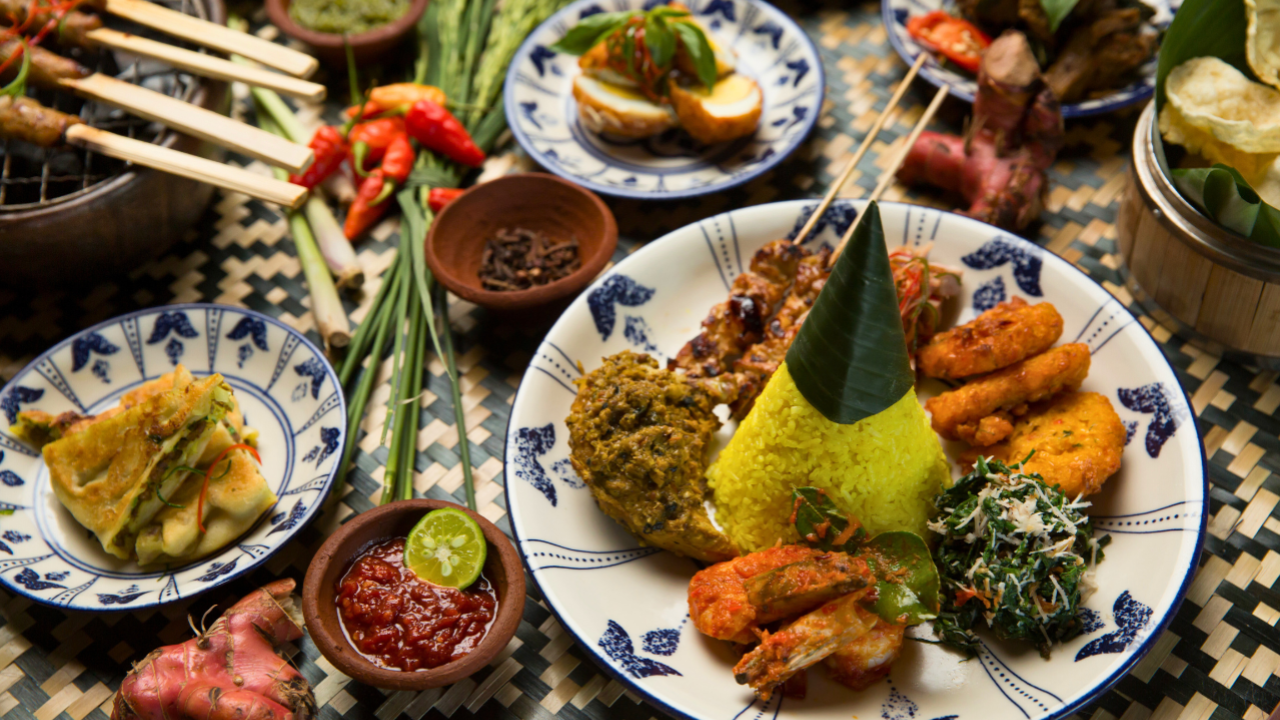
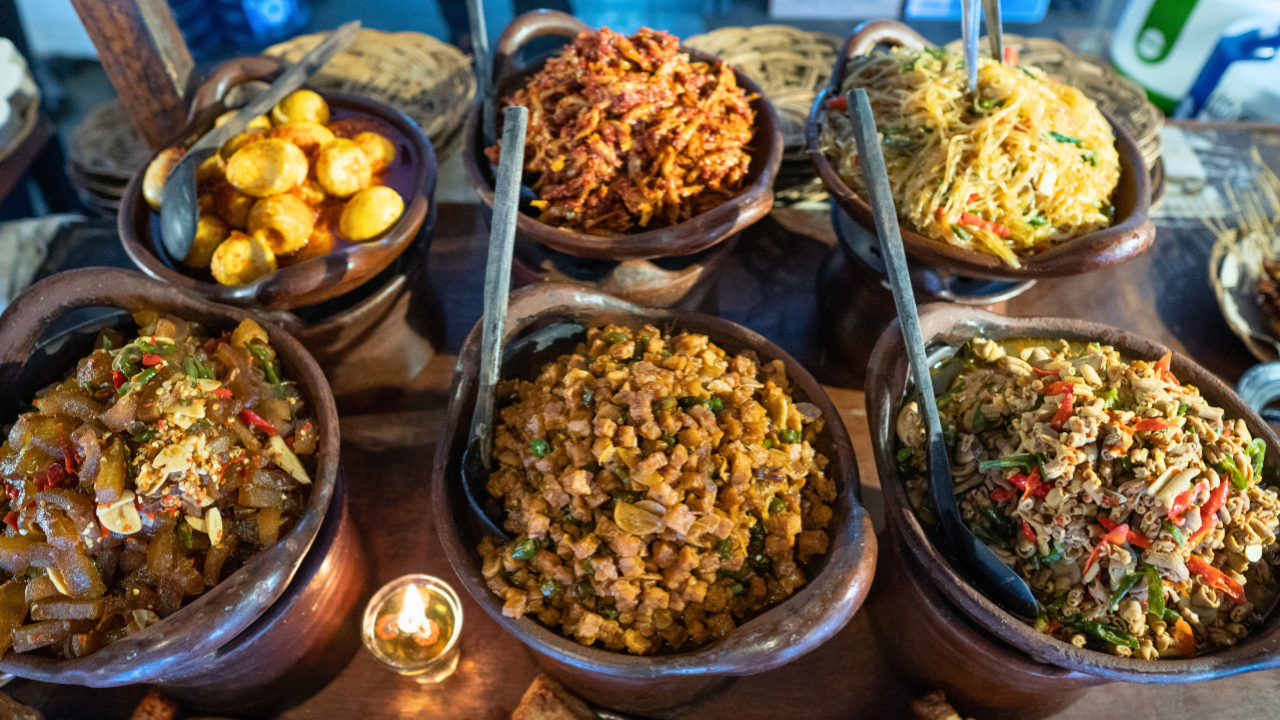

The beauty of Balinese cuisine is the medley of cultures reflected within the flavours, making the exploration of local tastes even more exciting. The influences include Indonesian, Chinese, European and Indian, culminating with a Bali twist.
Vegetarians will be happy, as fresh, seasonal vegetables, such as spinach, okra and sweet potato, are celebrated within local dishes. Vegans will appreciate the plentiful tofu and tempeh-centred meals on offer. Locally grown rice is a staple side dish, or part of the indigenous dishes, mixed in with meat, fish or vegetables. Sambal is served with nearly all dishes, a condiment consisting of chilli, shrimp paste, onion, garlic, ginger, lime juice, and palm sugar.
With a world leaning towards plant-based cuisine, Bali offers a bounty of inspiration and an ideal holiday destination to try your hand at ‘clean living’. You could, if you wanted to, eat entirely ‘local’, with produce leaving little footprint behind. Crops such as Balinese coffee and cocoa cover the basics, so essential beverages are local, too.
If you don’t drink alcohol, another trend on the rise, then you won’t be stuck for fresh fruit juice offerings, with tropical tastes ranging from snake fruit to soursop. If you do drink, you might like to try the Balinese arak, which is a liquor made from fermented white rice and coconut palm flowers.
For a truly sustainable cocktail, try the Bali Sling from the iconic Raffles Hotel. Virtually all the cocktail ingredients are either grown within the resort or on the island of Bali. The blue pea flower and jackfruit are handpicked from the resort’s farm gardens, and the main star ingredient, the Balinese arak, is from a family-owned local company.
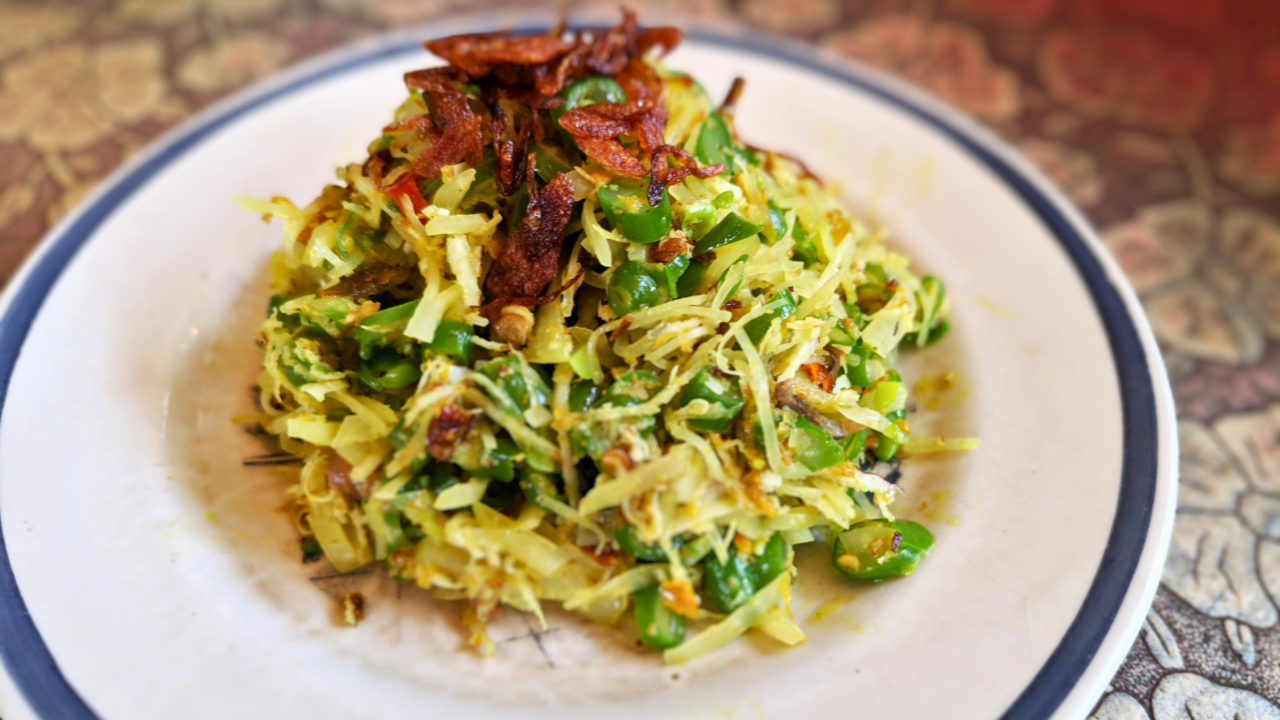
Lawlar
This is a beautiful, fresh, coconut-infused dish which uses local green beans and minced meat such as tender pork, chicken or beef. There are two types of lawar: eye-catching red, the colour derived from animal blood, which lends a savoury flavour and white, which is a bloodless version. Vegans needn’t be left out, as the meat can be omitted, with local tasty green jackfruit (nangka) used instead, commonly found.
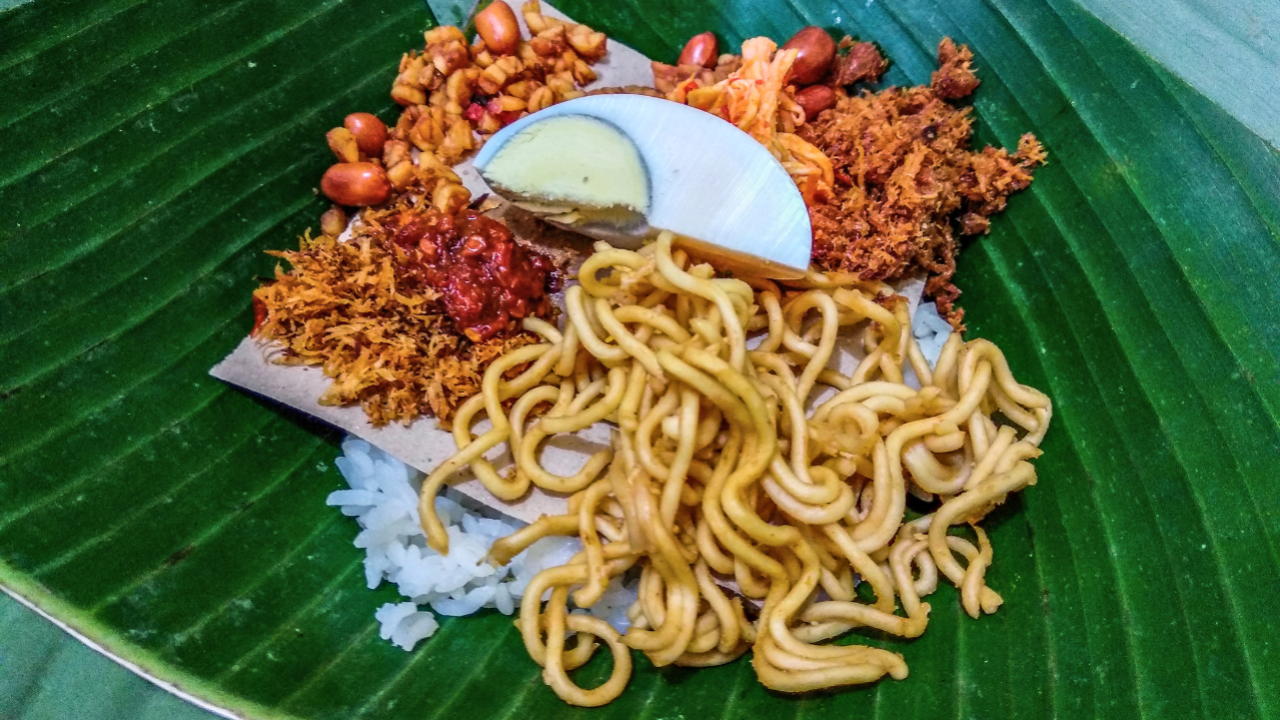
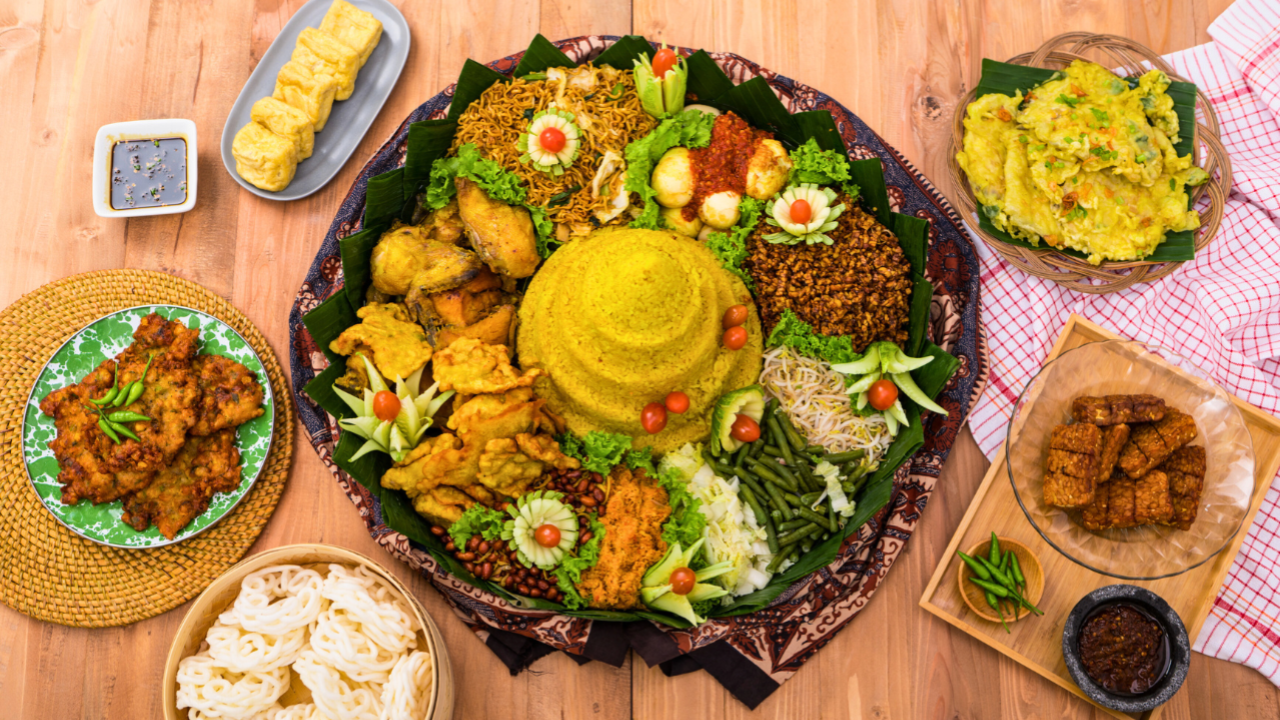
Nasi jinggo
Tempting at all times and coming in its own packaging in the form of a banana leaf, in which it is cooked, nasi jinggo is an inexpensive street food, making it accessible to all – an eclectic mix of rice, vegetables, shredded meat, usually unctuous pork and spicy sambal. It is also popular to be served at funerals, which, if you have ever seen one in Bali, is a big occasion, often with many of the villagers and wider, attending, to celebrate the life of the person that passed.
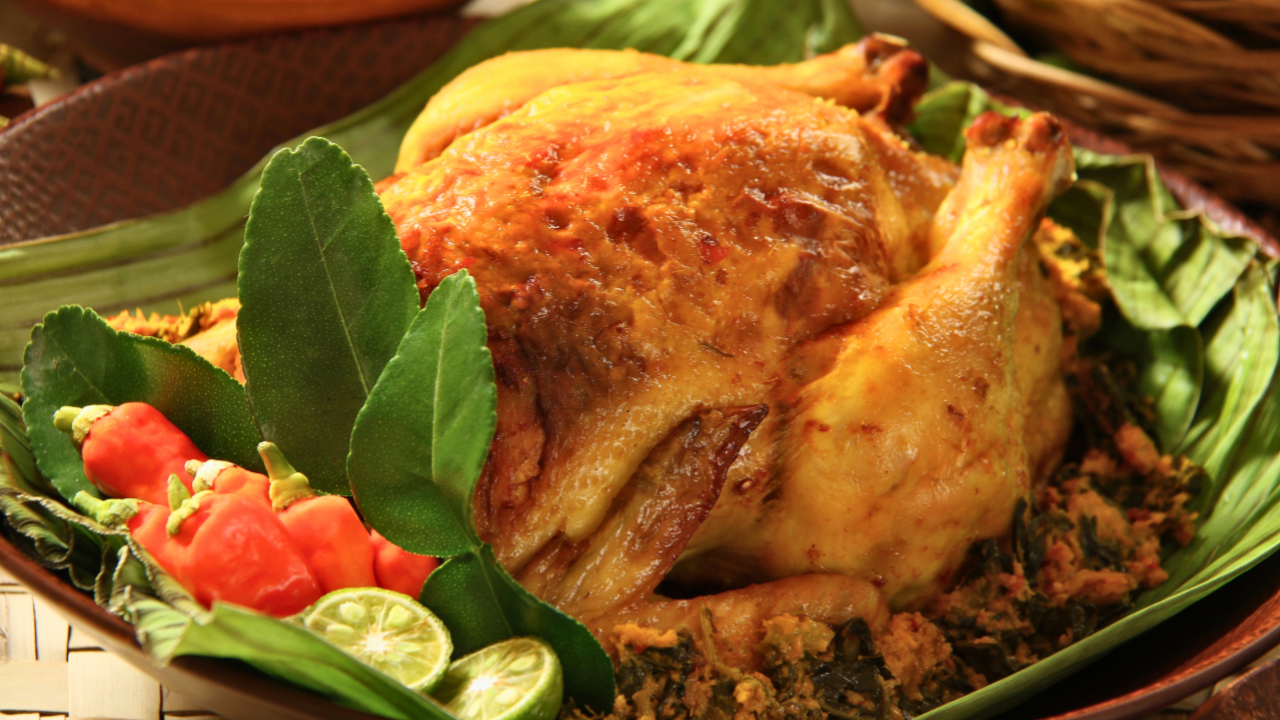
Betutu
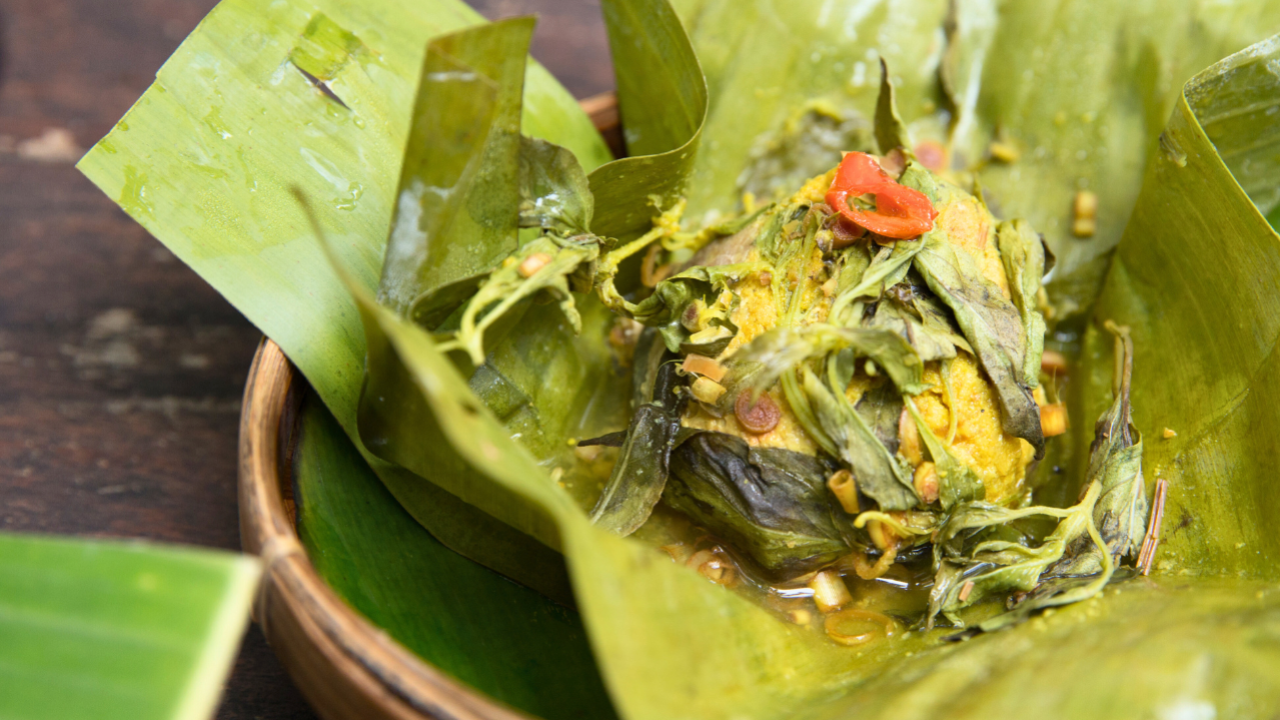
Historically, it is said that this was the late King’s favoured dish. An extravagant affair, it consists of a whole succulent chicken or sometimes, but less often, richer duck that is filled with multi-layered spiced rice, including onion, chilli and peanuts for crunch. A lot of love goes into the preparation, which the cook needs to put eight hours aside to make.
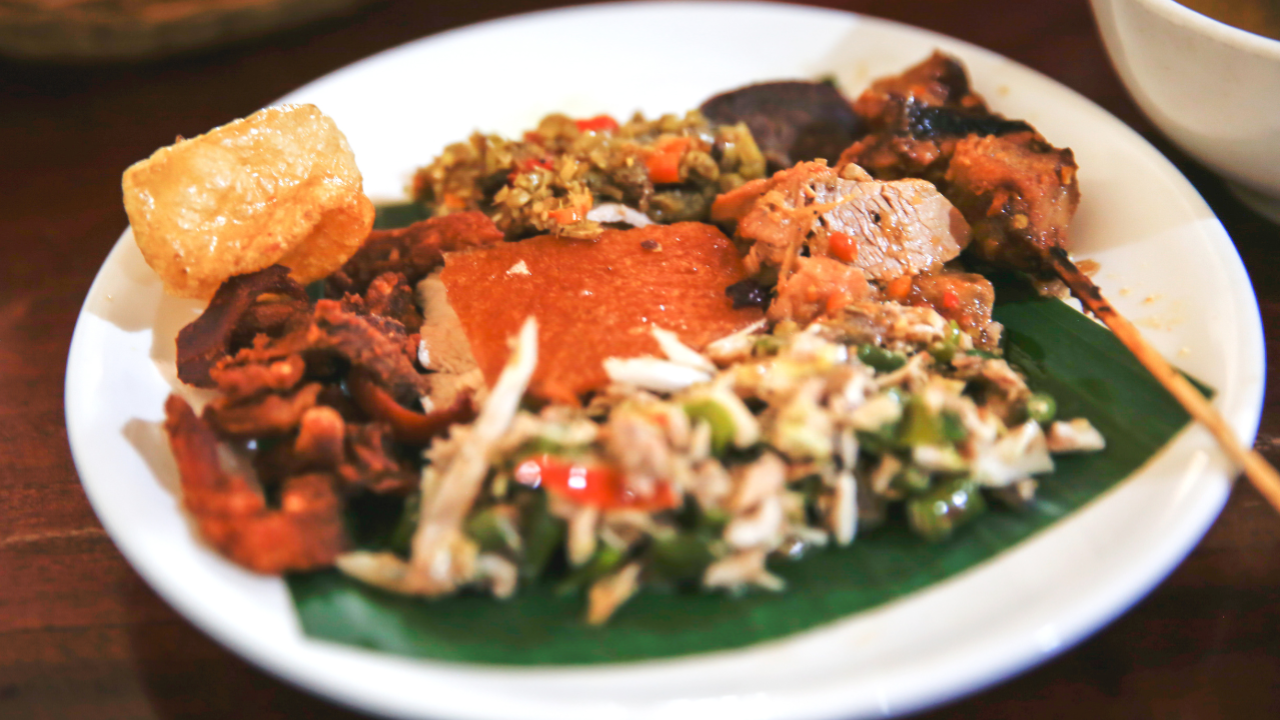
Babi Guling
This dish is essentially local Balinese crispy roasted pork, a crispy, satisfying treat, most often presented during colourful cultural performances and important ceremonies. Served with the staple side of rice, steamed vegetables and a flavoursome sambal.
The above is only a glimpse into some select dishes to tempt you; however, the cuisine is varied and full of surprises. What adds to the food is the fantastic serve from the genuine and welcoming local people who are often happy to tell you tales of what their mother makes at home and to guide you through menus, pointing out their favourites.
Bali, its traditional cuisine, and sustainability have been hand in hand historically. The emphasis is on local and seasonal, without a large reliance on importing, as found with so many other islands. It is of no surprise then that in June 2023, Bali hosted its third Bali Hotels Association (BHA) ‘BHA Sustainable Food Festival’.
The two-week festival, which took place in 51 locations throughout the island, showcased Bali’s sustainability, from preserving the island’s natural beauty and resources, to promoting cultural heritage, supporting local communities and ensuring long-term economic viability. There is a competitive element, with each hotel proving they are best when it comes to the innovative manner in which they have embraced sustainability in their overall operation and running of the hotel and their kitchens, to improving the skill levels and awareness of their team members, to strengthening their relationship with local suppliers, both those new and old.
They also demonstrate how they address waste reduction. To enter, their dishes have to include 100% Bali produce. Whilst the festival is in place to remind locals to be sustainable, the showcase of local, traditional dishes, further proves, how the island has had sustainability in mind, whether consciously or not, for centuries.
Once you are in situ, local food is reasonably cheap, with plenty of outlets to choose from, so there’s really no excuse not to try all the tempting, flavoursome and indigenous dishes.
If you are hungry for more global flavours, be sure to check out our Gastronomic Experiences page for additional recipes and culinary inspiration.
| Cookie | Duration | Description |
|---|---|---|
| cookielawinfo-checbox-analytics | 11 months | This cookie is set by GDPR Cookie Consent plugin. The cookie is used to store the user consent for the cookies in the category "Analytics". |
| cookielawinfo-checbox-functional | 11 months | The cookie is set by GDPR cookie consent to record the user consent for the cookies in the category "Functional". |
| cookielawinfo-checbox-others | 11 months | This cookie is set by GDPR Cookie Consent plugin. The cookie is used to store the user consent for the cookies in the category "Other. |
| cookielawinfo-checkbox-necessary | 11 months | This cookie is set by GDPR Cookie Consent plugin. The cookies is used to store the user consent for the cookies in the category "Necessary". |
| cookielawinfo-checkbox-performance | 11 months | This cookie is set by GDPR Cookie Consent plugin. The cookie is used to store the user consent for the cookies in the category "Performance". |
| viewed_cookie_policy | 11 months | The cookie is set by the GDPR Cookie Consent plugin and is used to store whether or not user has consented to the use of cookies. It does not store any personal data. |