‘Sara, stop giving him the middle finger’, my colleague and friend Hanah exclaimed. ‘I’m not giving him the middle finger’, I retorted.
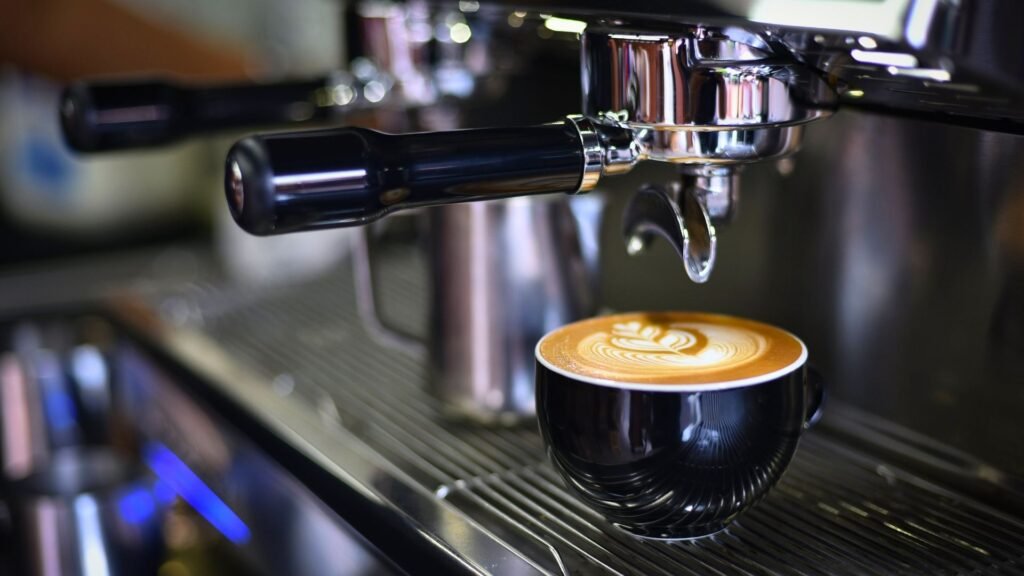
I was on a diplomatic trip to Malaysia, standing in a well-known American coffee shop, run by deaf employees, as a barista taught me how to sign his name in Malaysian Sign Language. We all laughed as I continued to struggle through signing the barista’s name, a blind Lebanese-American diplomat and a deaf Malaysian barista overcoming multiple barriers to connect and communicate. As I got in the car after this meeting, I realised that I never actually learnt what “giving the middle finger” meant – I thought it was specifically pointing your middle finger at someone! Despite my faux pas and our differences in cultures, languages, and disability, we found a way to be in community, to rejoice in authentic human connection.
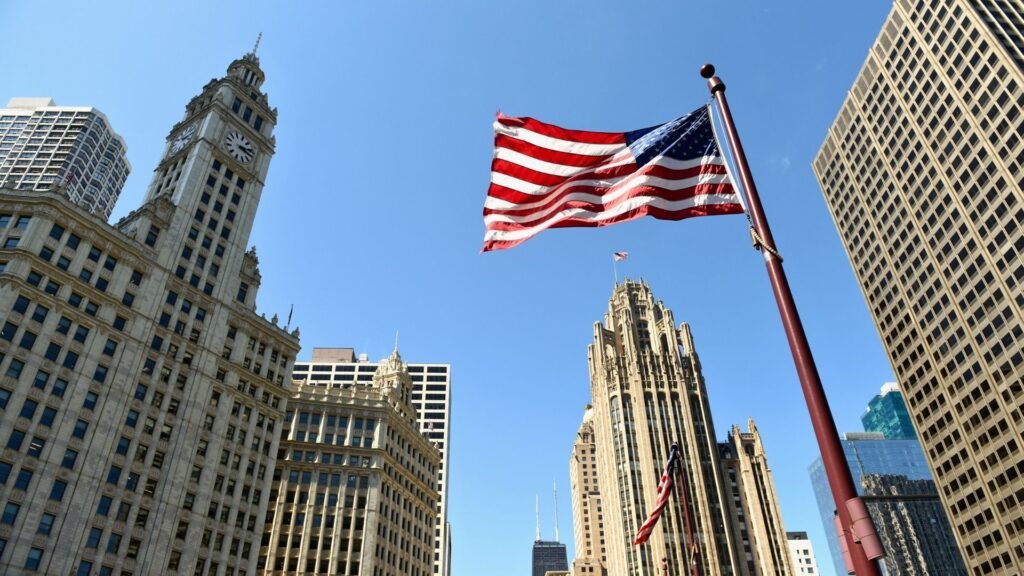
As the U.S. Special Advisor on International Disability Rights under the Biden Administration, I had the opportunity to travel around the world to 51 countries, engaging leaders of various countries and cultures in dialogue on issues ranging from trade to climate. Although we came from different backgrounds, spoke different languages, held different faiths, and had different disabilities, there was always a common thread that connected our diverse experiences.
Whilst disabled people around the world have different access to opportunities, governments, and cultural views on disability, we share common ground when it comes to our advocacy and how we strive to create a barrier-free world for everyone.
For me, visiting any country was less about the space I was in than about the people I met and what we shared beyond culture, language, and space. In Cuba, I visited local communities and families of people with disabilities who are working to ensure that their children have the opportunity to succeed and thrive.
During one meeting organised by the Department of Education, I met with a parent of a child with a disability who was tirelessly advocating for early intervention so their child could have full access to education. This experience resonated with me because my parents did the same, serving as my supporters and advocates to ensure I had full inclusion. Despite different languages and educational systems, we had an authentic and beautiful dialogue over the importance of inclusive education.
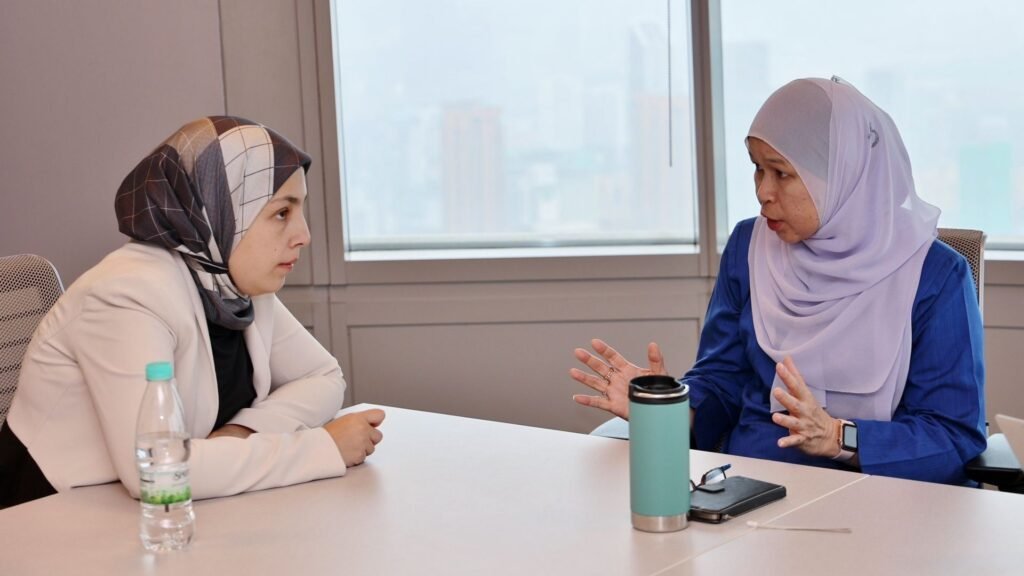
As a blind leader, I loved having the opportunity to engage with blind people around the world and experience the similarities in our personalities. During dinner at the ambassador’s home in Malaysia, a country so full of beauty and love, as we listened to a blind civil society activist who was rather inquisitive and outspoken, Hanah leaned over to me and remarked about how similar our personalities were. She was pointing out that I can be just as outspoken, and even pushy, when I need to be.
As blind people, I’ve noticed we share similar traits. No matter where I went, I found that we are naturally inquisitive and outspoken because we can’t see specific details, so we ask questions to get the information that we need to participate in a conversation. Despite our cultural differences, I see so many commonalities in how we navigate the world, which makes it all the more enjoyable to connect and relate to each other.
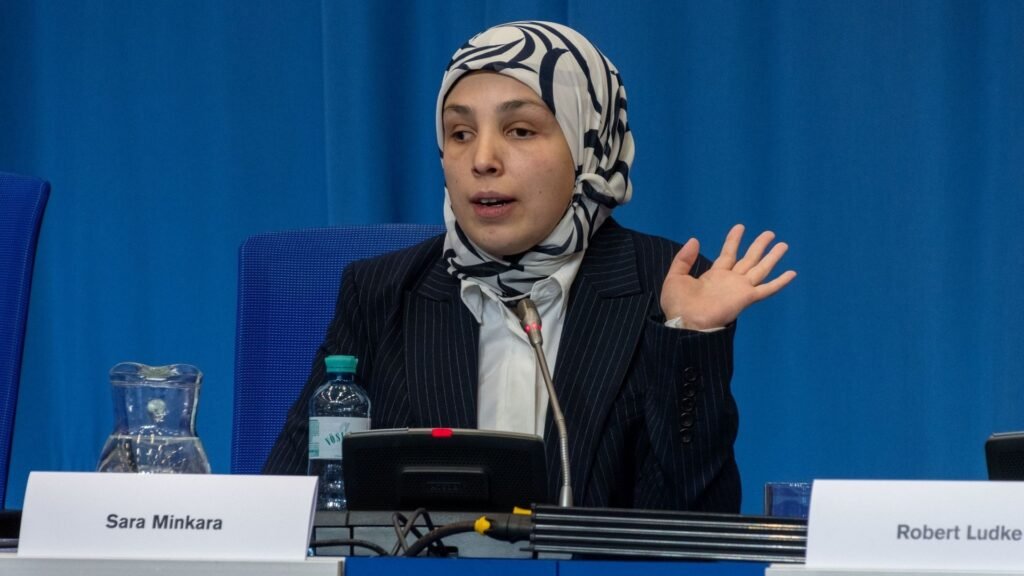
I was able to connect with others not just through disability, but through faith. Faith is an integral part of my life and the lives of billions around the world, and, like culture, it shapes our society’s narratives of disability. Through interfaith dialogue, we learn about how other faiths view disability and discuss how we can work towards creating places of worship that extend full inclusion and belonging to people with disabilities.
Though people around the world hold different beliefs, we can find a common thread: a shared humanity and a care for the well-being of others. When I reflect on this, I’m reminded of my experience meeting Pope Francis. During this meeting, I thanked him for speaking up for disability rights and for the dignity and human rights of the people of Gaza. Although he was Catholic and I am Muslim, we connected over our shared belief in human dignity and a desire for peace.
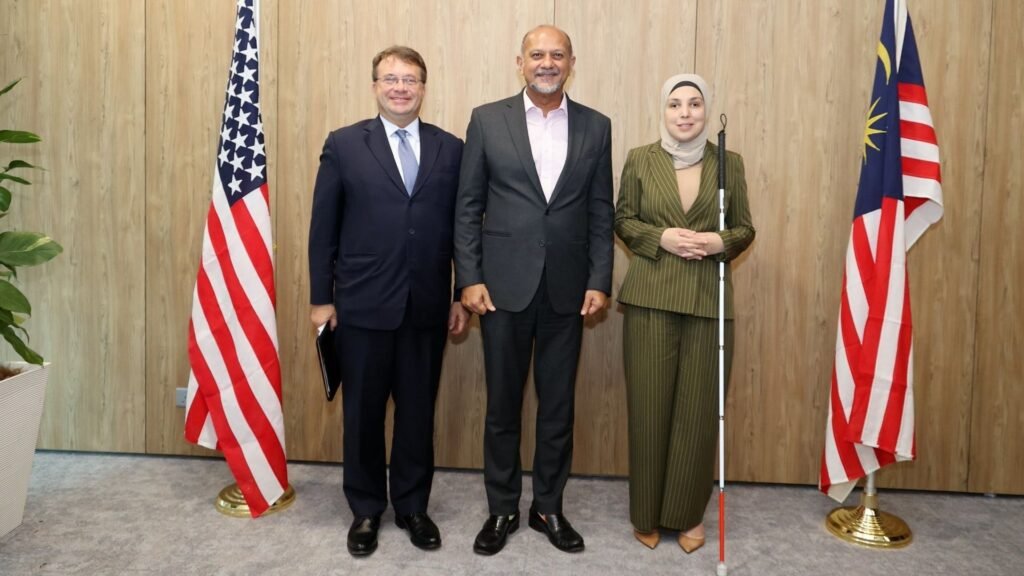
Finding common ground has enabled me to be a better advocate. As a Lebanese-American, I felt at home when visiting Arab countries, as there is a distinct feeling that I was recognised as “part of them”. Because of my connection to Arab culture, I was able to push back on certain terminology and cultural narratives around disability that are rooted in a view that disabled people need to be taken care of. Instead, I encouraged others to see that disabled people want to break down barriers so that we can exist as equals in society.
Cultural exchange is not a one-way street, and I have learnt so much from people with disabilities around the world. They have helped me to understand the importance of having both safe and supportive disability-specific spaces and barrier-free spaces through mainstreaming. What works for one country is not a universal solution, and each culture has its own way of working towards inclusion.
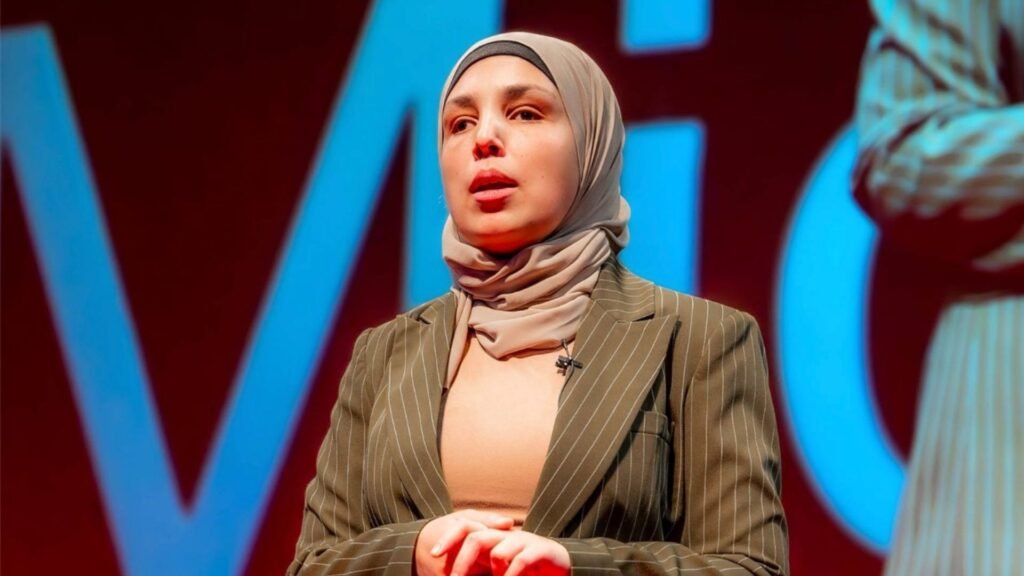
I’m continually inspired by the innovative strategies that different countries and cultures adopt to champion inclusion. During one memorable trip, I learnt how the International Centre for Integrated Mountain Development (ICIMOD) in the Hindu Kush Himalaya region is crafting climate strategies that include people with disabilities, ensuring they are involved in discussions on disaster resilience and water resource management. These strategies can serve as models for countries and intergovernmental organisations around the world, ensuring that people with disabilities are fully included in climate policy.
I cherish the lessons I have learnt through each and every trip, meeting, and conversation, and I’m grateful to the disability advocates around the world who continue to strive towards inclusive societies where every person with a disability can access their full potential.
Share this article
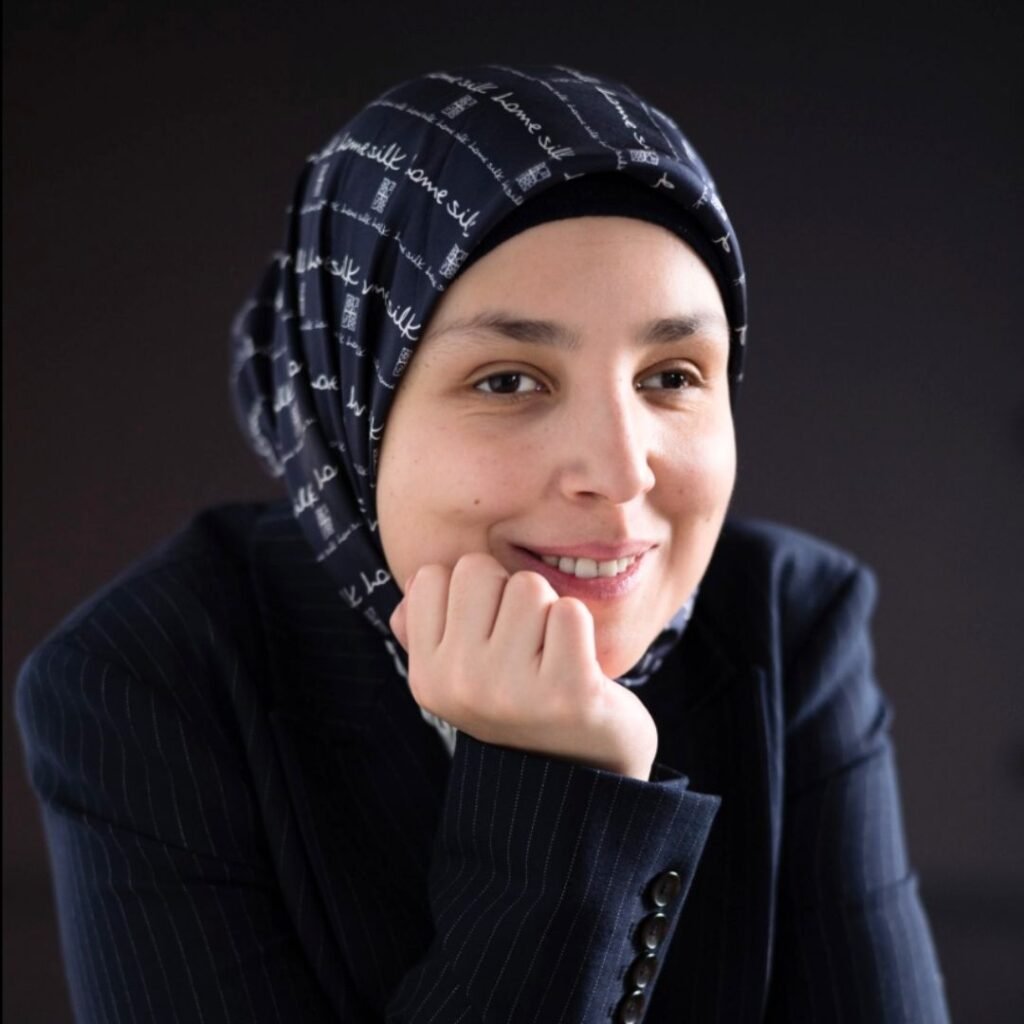
Sara Minkara
Sara Minkara is a former Ambassador-level U.S. diplomat and global strategist who advises Fortune 500 executives and senior government leaders on disability, authentic leadership, and reimagining the future. Appointed by President Biden as the U.S. Special Advisor on International Disability Rights, she integrated disability across U.S. foreign policy in more than 70 countries and created the Disability Foreign Policy Playbook, a unified framework for embedding disability within foreign policy priorities across bureaus, embassies, and senior leadership. Sara’s work has been recognised by Forbes 30 under 30, the Clinton Global Initiative, Vital Voices, and the MIT IDEAS Award.