
It is certainly true that the centre of Rome is an open-air museum with sculptural and architectural artefacts of exceptional artistic value, bearing witness to the city’s glorious past. But the more discerning traveller, eager to get to know and fully appreciate ancient art, must visit Palazzo Massimo, the headquarters of the Roman National Museum. Significant artworks from the imperial age are collected within the splendid walls of this late 19th-century palace.
Located a few steps from Rome’s main train station, Stazione Termini, Palazzo Massimo presents one of the most important archaeological collections in the world. Intriguing marble, travertine, bronze and ivory sculptures, mosaics and frescoes from urban and suburban villas, coins, precious objects, sarcophagi (coffin), and the ship remains tell the history of Roman society from the 1st century BC to the end of the imperial age. You can also admire stunning Greek masterpieces, spoils of the wars of conquest, and evidence of the Romans’ love of Hellenistic culture.
I’ve had the opportunity to visit the museum multiple times; the first time occurred when I was a child, on a school trip. I was about ten years old and was impressed by a mummy lying in a coffin. Next to it was a funerary outfit of beautiful jewellery and amber objects. I have a few other memories of that day. The mummy, known as ‘mummia of Grottarossa’ from the name of the district of Rome where it was found, is still on display in the museum, but it is certainly not the most significant element.
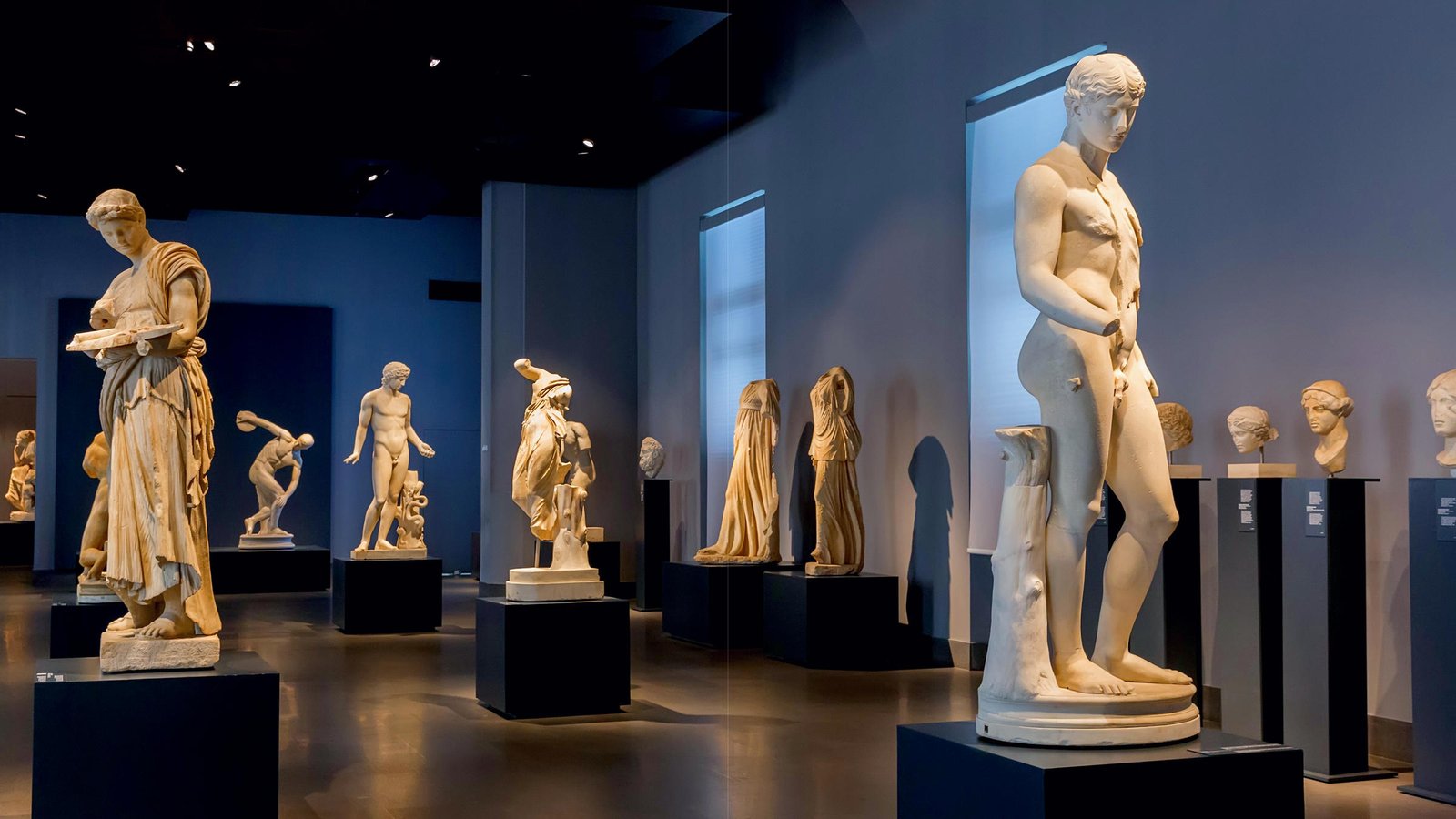
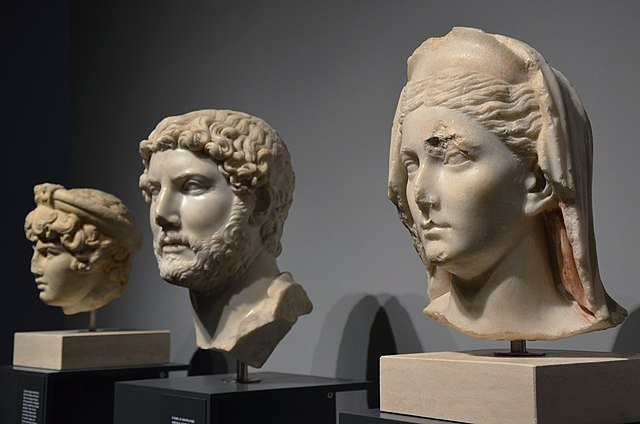
If you are not a child, you would undoubtedly be impressed by the multitude of sculptures present in the museum. Busts of emperors, philosophers, members of high society and charming women occupy several rooms of the palace. In some portraits, the more idealised ones, you can see the influence of the Greek style, while others, so realistic that you almost have the illusion of walking among the illustrious personalities of ancient Rome, are purely Roman.
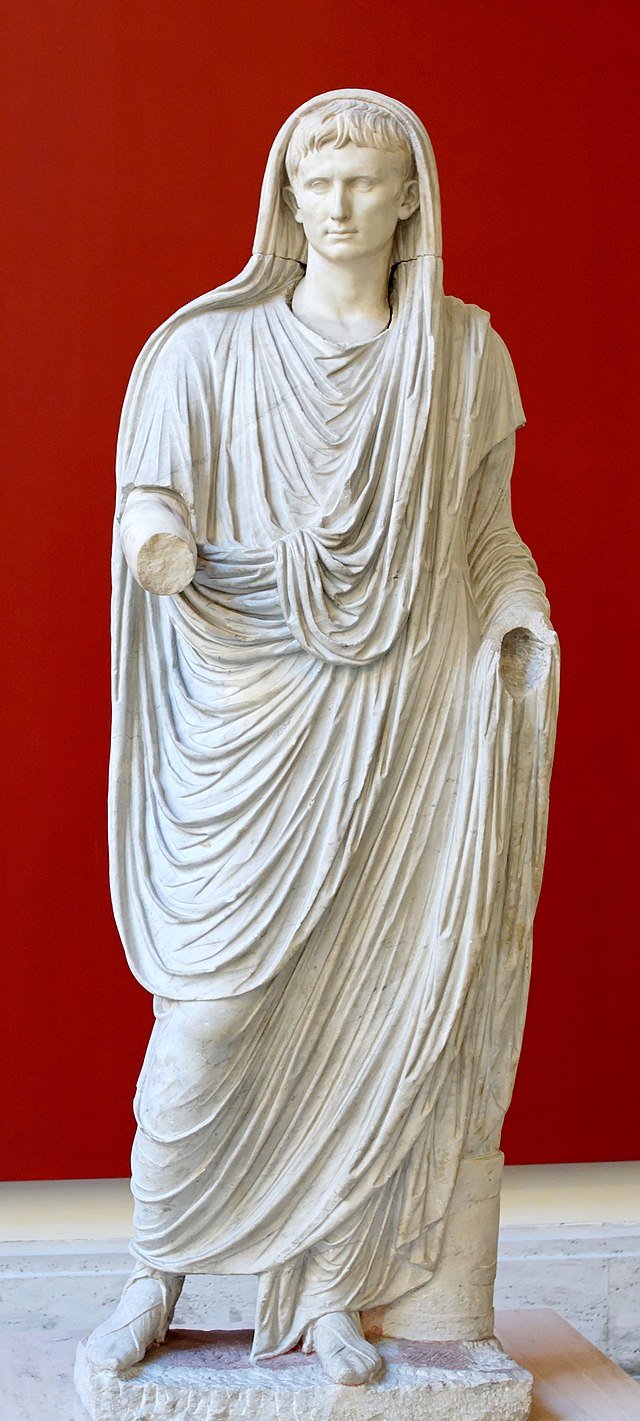
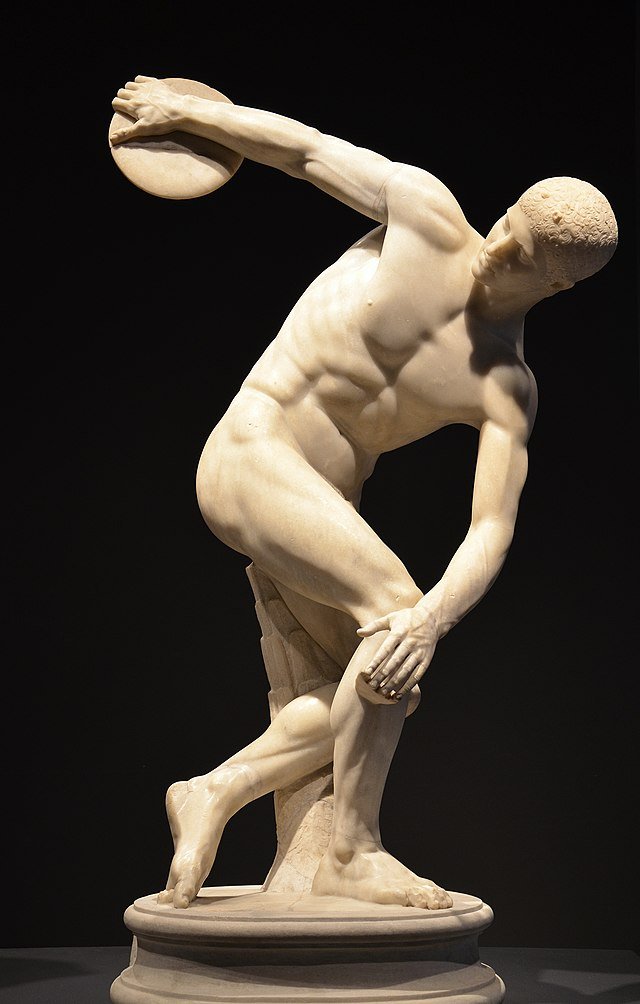
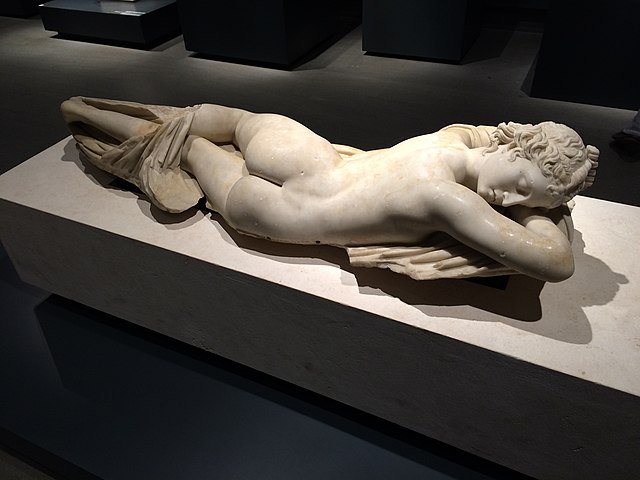
The full-length statues, set up in the central hall, are also valuable. You can admire one of the most beautiful portraits of Emperor Augustus, of exceptional realism, and many marble copies of the most famous Greek works, such as the Lancellotti Discobolus, the Sleeping Hermaphrodite and the Niobe from the Horti Sallustiani, to name but a few. The statues are arranged chronologically so that you can appreciate Roman sculptural art’s development over time.
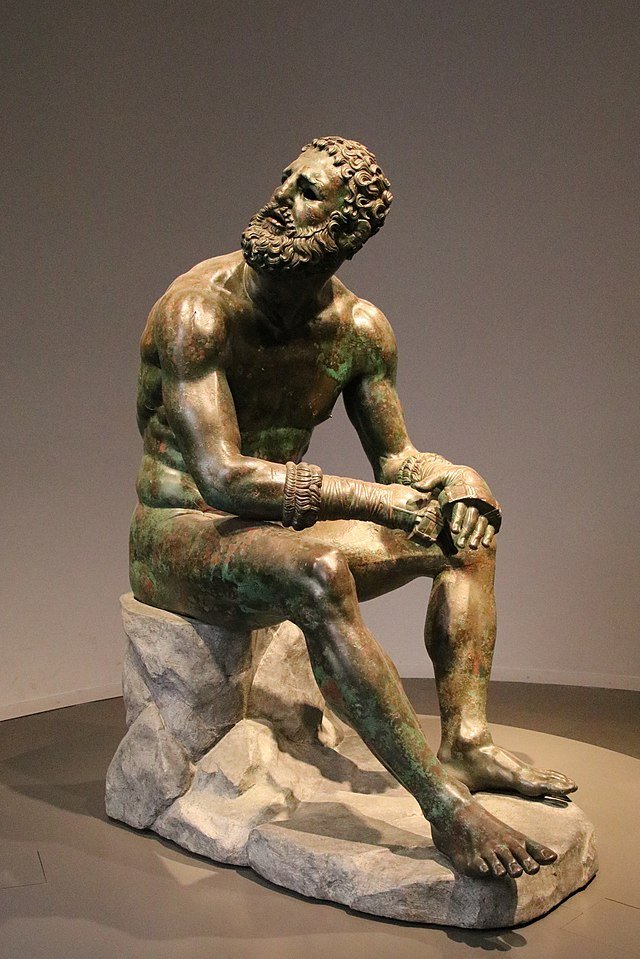
The bronze and ivory works are sublimely beautiful. My favourite is the Boxer at Rest, in bronze with small traces of red copper to colour the wounds on the man’s body. The boxer, immortalised at the end of a bout, with swollen ears and a scarred face, seems to be panting from fatigue.
Finally, ivory works mainly depict deities. This precious material was chosen to achieve the effect of a candid complexion that glows with the sun’s rays.
During my last visit to the museum a few days ago, perhaps because the sculptures had become familiar, I looked mainly at the decorations that adorned the sumptuous Roman villas. Frescoes, stuccoes and mosaics from the 1st century BC to the late imperial age occupy an entire floor of Palazzo Massimo.
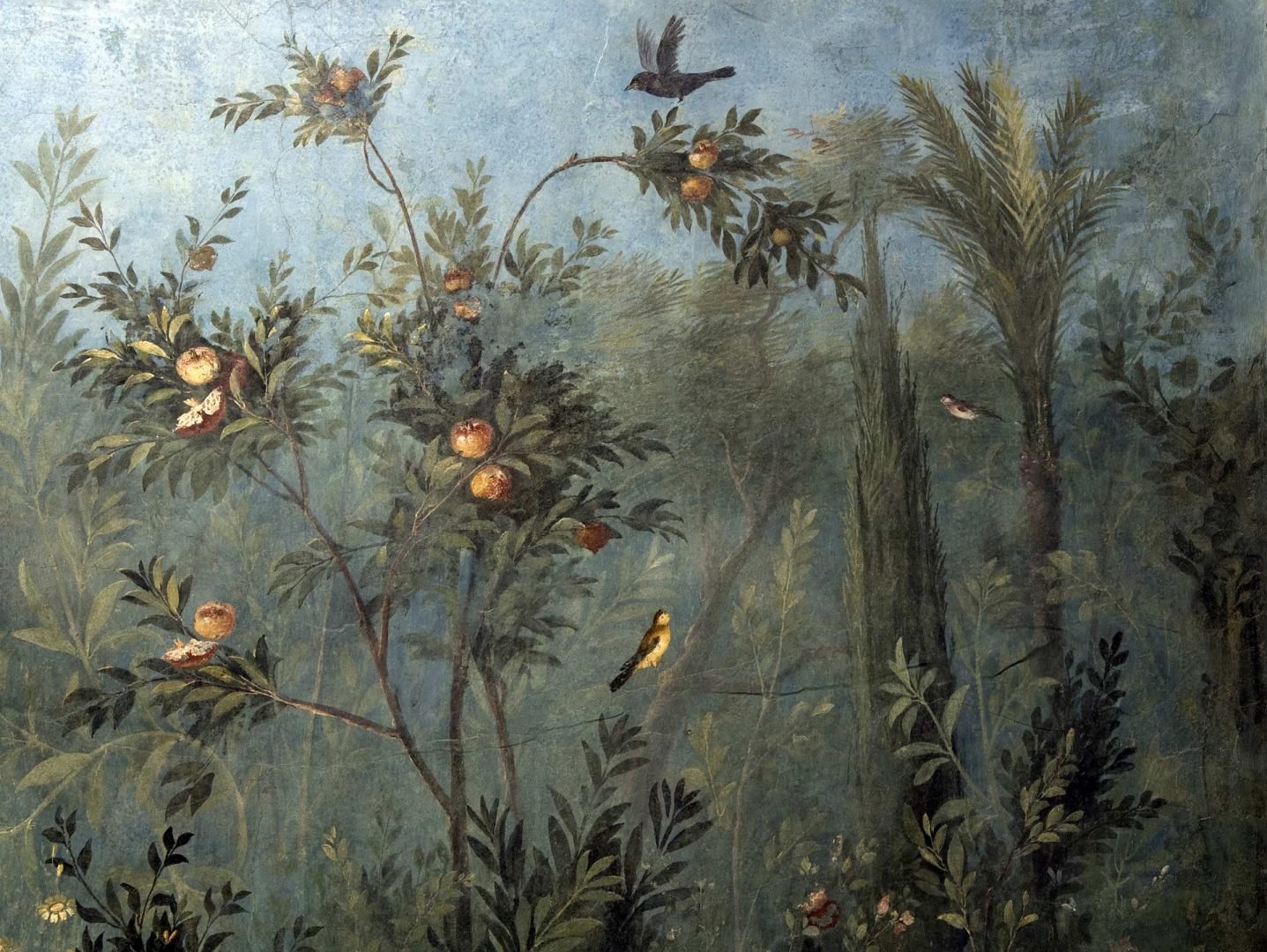
I spent most of my time mesmerised by the ‘Livia Room’, a series of wall paintings that decorated the dining room of Villa of Livia, the third wife of Emperor Augustus. The frescoes, depicting a lush garden, were detached from the original walls following the damage to the noblewoman’s residence during the Second World War. They are the oldest known Roman garden paintings (c. 40-20 BC).
In the frescoes, ornamental plants alternate with pomegranate trees, and different species of birds fly through the vegetation. The leaves of the trees seem to move in the wind, while the birds sing, such is realism and attention to detail. But pictures and words do not do justice to the beauty of this lost paradise, undoubtedly one of the museum’s masterpieces.
The exhibition continues with mosaics from the Republican to the Imperial Age, remains of Roman ships found in Lake Nemi, an impressive numismatic collection, and more than half a million precious ornaments.
If you still need to have your fill of Roman art by the end of your visit, the National Roman Museum also has three other locations. You will find a rich collection of ancient sculptures at Palazzo Altemps, a few steps from Piazza Navona. A vast array of Latin inscriptions, one of the most important collections of descriptions in the world, is preserved at the Baths of Diocletian, a magnificently preserved monumental complex. Finally, traces of buildings and monuments that tell 2000 years of Rome’s history are on display in the Crypta Balbi, in the heart of the city.
If you are looking for other cultural destinations, visit our website’s Art and Culture page.
| Cookie | Duration | Description |
|---|---|---|
| cookielawinfo-checbox-analytics | 11 months | This cookie is set by GDPR Cookie Consent plugin. The cookie is used to store the user consent for the cookies in the category "Analytics". |
| cookielawinfo-checbox-functional | 11 months | The cookie is set by GDPR cookie consent to record the user consent for the cookies in the category "Functional". |
| cookielawinfo-checbox-others | 11 months | This cookie is set by GDPR Cookie Consent plugin. The cookie is used to store the user consent for the cookies in the category "Other. |
| cookielawinfo-checkbox-necessary | 11 months | This cookie is set by GDPR Cookie Consent plugin. The cookies is used to store the user consent for the cookies in the category "Necessary". |
| cookielawinfo-checkbox-performance | 11 months | This cookie is set by GDPR Cookie Consent plugin. The cookie is used to store the user consent for the cookies in the category "Performance". |
| viewed_cookie_policy | 11 months | The cookie is set by the GDPR Cookie Consent plugin and is used to store whether or not user has consented to the use of cookies. It does not store any personal data. |