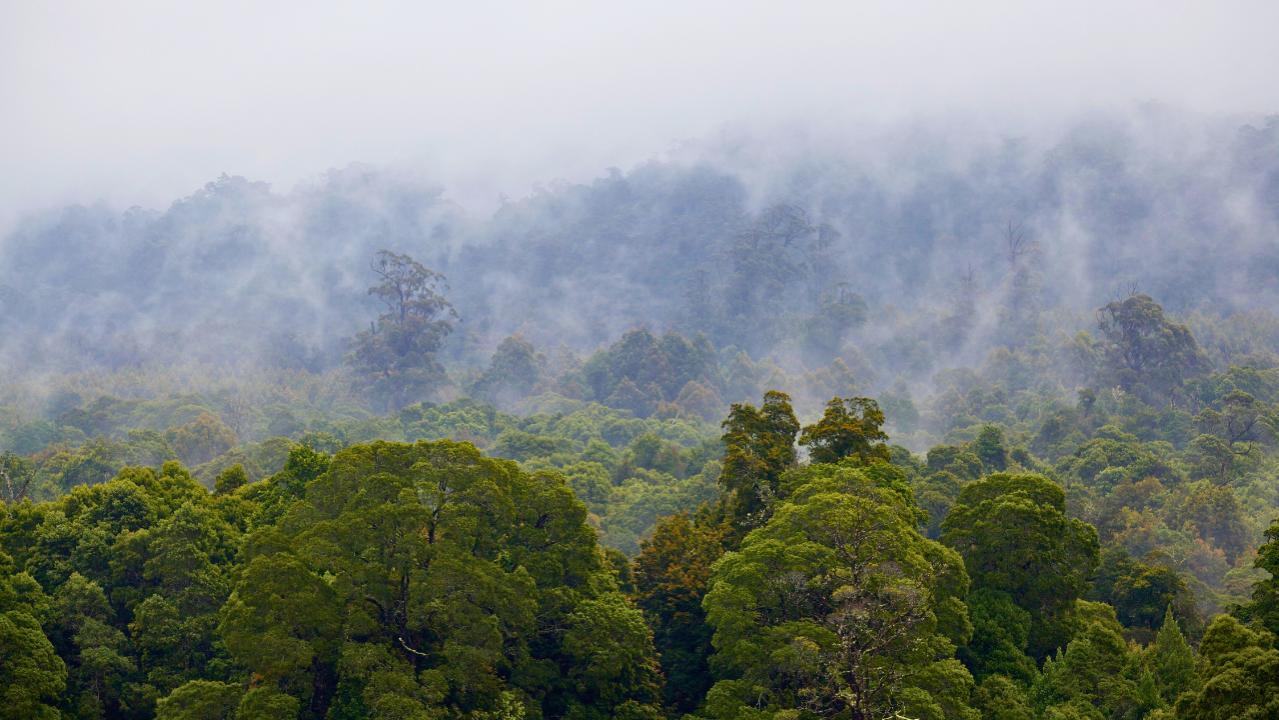
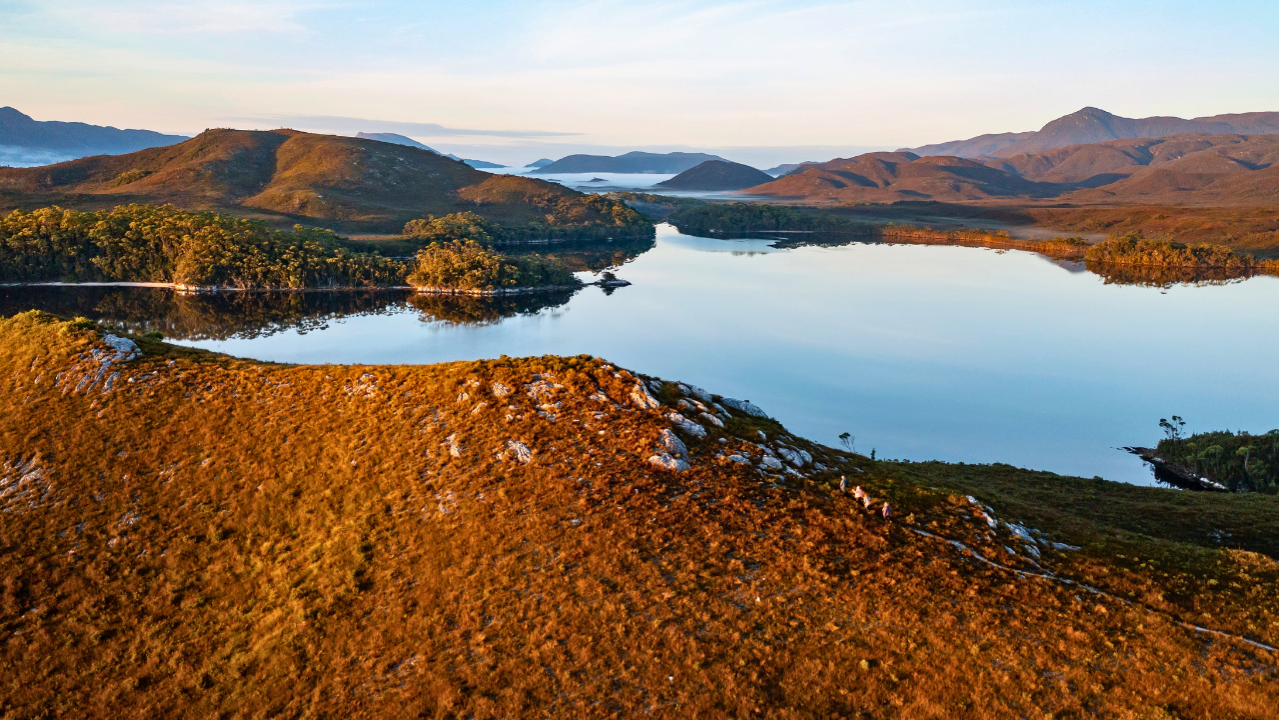
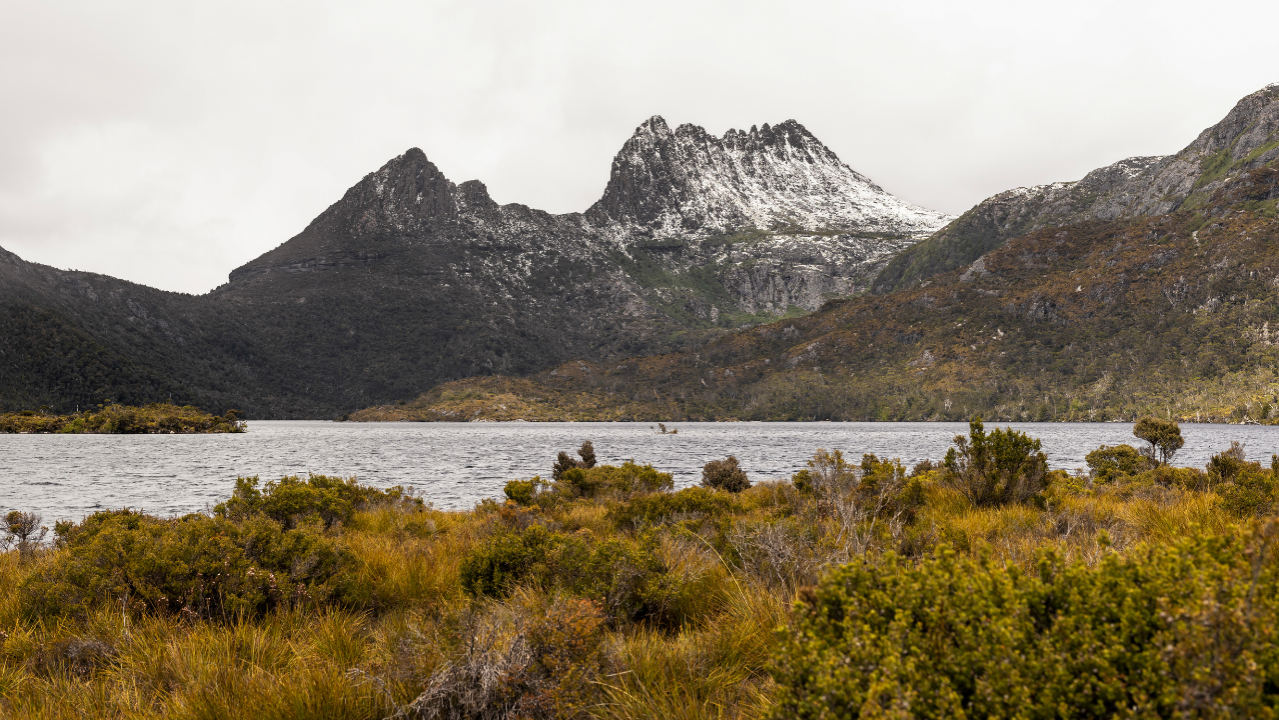
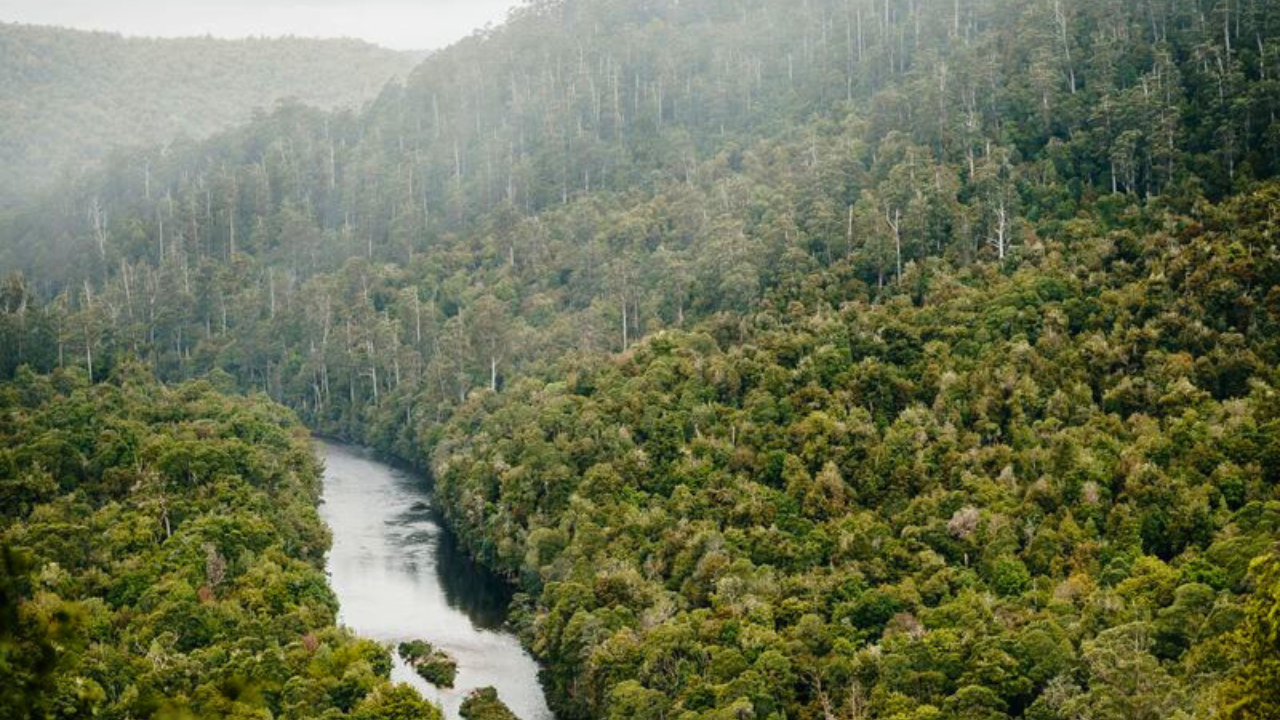
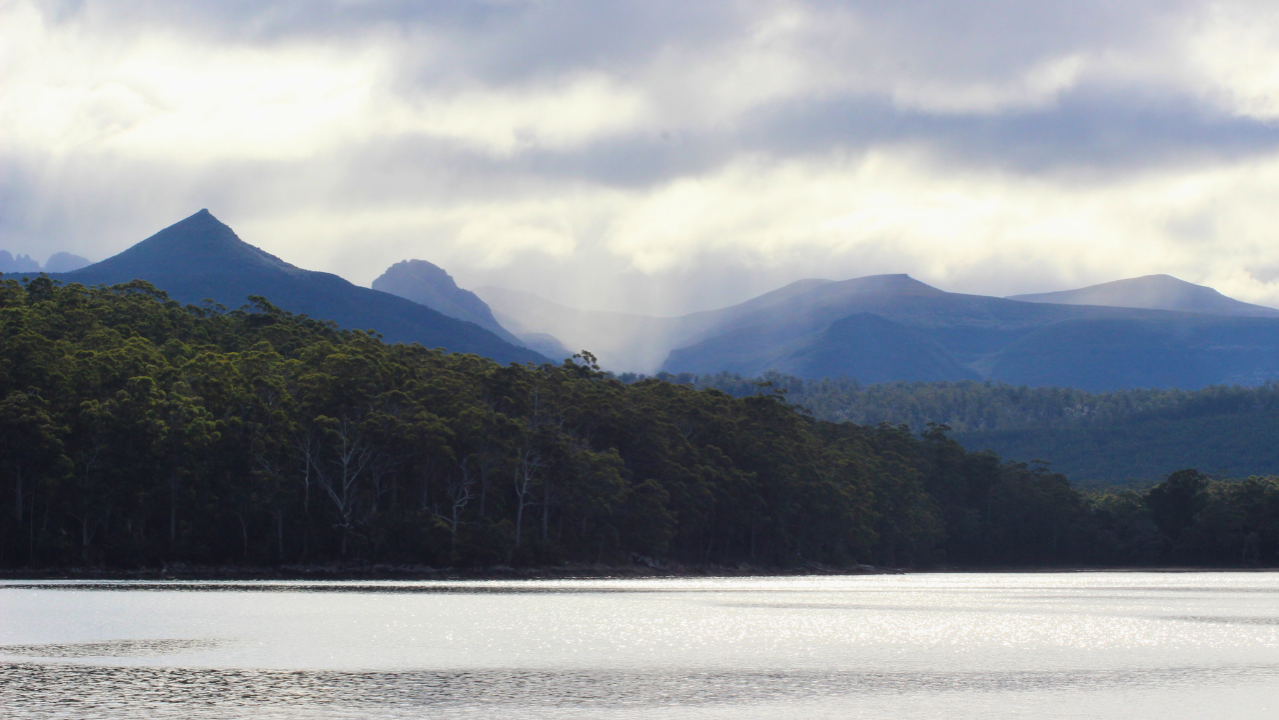

Tasmania, a tiny island off Australia’s southern tip, is covered in awe-inspiring landscapes and national parks, home to rare wildlife and prehistoric forests. It’s often overshadowed by tourist hotspots in mainland Australia, but in 2023, the island managed to attract around 1.2 million visitors – that’s around triple the population of Tasmania.
It has an ambitious vision for 2030 to attract an even greater number of tourists, meaning this figure is only set to rise. But with a reputation for being one of the most sustainable places in the world, what impact might mass tourism have on its eco-friendly status?
It’s hard to list all of the things that make Tasmania a sustainable destination. It’s not just the scores of eco-friendly tours, accommodation, and local producers that visitors can find from north to south. In 2022, it became one of the first carbon-negative places in the world, alongside Bhutan and Suriname. Its protected wilderness spans more than 40% of the state, ensuring the local flora and fauna thrive. The cold, fresh air is the cleanest in the world, while the temperate climate is perfect for all kinds of produce, from the famous apples which gave the island its name, to honey, vegetables and happy, grass-fed cows that roam the fields.
Tasmania’s natural beauty speaks for itself, so it’s no wonder more and more visitors are heading there. Travellers in search of off-the-beaten-path adventures, off-grid escapes and, of course, trips that are truly sustainable can find everything they’re looking for.
Aside from helping locals – tourism provides the highest share of jobs in Tasmania, with about 37,000 people working in the industry; the range of conscious excursions, tours and stays available make it easy for visitors to make sustainable choices. Roaring 40s, a tour company based in Hobart, allows people to explore Tasmania’s Wilderness World Heritage Area while educating them on the surrounding environment, and is fully eco-certified, an accreditation many businesses have around the state.
Elsewhere, the Tasmanian Walking Company offers multi-day walks that don’t just see the sights – they focus on restoring balance to threatened ecosystems and protecting vulnerable native animals. Lumera Eco Chalets, in the Bay of Fires, offers solar-powered accommodation in a biodiverse forest, home to endangered species such as the Blind Velvet Worm, Wedge Tail Eagles and Tasmanian Devils.
The list goes on and on, and this doesn’t include other types of business, such as historical tours which promote indigenous culture and history or the island’s food and drink scene, which boasts farmer’s markets, sustainable vineyards, breweries and restaurants. By having such a diverse, climate-conscious offering for tourists, visitors automatically contribute to preserving Tasmania’s nature, wildlife and communities. This makes tourism a 360-cycle, where tourists enjoy experiences which feed back into the island.
It’s become catchy to talk about destinations being sustainable, but travellers are increasingly wary of greenwashing and are beginning to look for genuine ecotourism and experiences. There have been various reports of negative tourism in Tasmania. In 2020, tourists made headlines for trampling on the region’s spectacular lavender fields to take selfies, forgetting that farming lavender is a livelihood for locals.
Further back, in 2016, Bruny Island struggled under the weight of so many tourists, with no improvement in infrastructure and complaints of rubbish and human waste—although, luckily, that last one is biodegradable. Luckily, Tasmania’s location was a blessing during the pandemic, locked away from the world with the chance to regenerate from any negative impact. But the increasing number of tourists still makes it hard for the state to keep up with demand and maintenance around the island.
Tasmania’s remoteness means there’s one thing it can’t make sustainable: air travel. There is a ferry to the island from Melbourne, but last year, a majority of visitors chose to fly to Tasmania, causing 1.6 million tonnes of emissions, which is predicted to double in the next six years. Cruise travel is also a big issue for such a tiny place, with ships frequently visiting heritage sites and national parks like Wineglass Bay.
Cruises cause, on average, just under double the emissions of a long-haul flight, as well as more sewage, which is allowed to be released into the ocean roughly three miles from land – not ideal for Tasmania’s endangered and endemic marine species. Much like in Venice, which was forced to ban cruise ships due to overwhelming visitors, many Tasmanians think it could be time to put a cap on cruising, while visitors should consider taking the longer, but more eco-friendly ferry when heading to Tasmania.
It’s not all bad news, though; in fact, the positives heavily outweigh the negatives in Tasmania. Its ‘2030 Vision’ may seek to draw in more tourists, but it also wants to empower people to have a positive impact and make Tasmania a leading destination for climate-conscious travel. The number of sustainable businesses in Tasmania is only growing, and the community mentality and local produce continue to blossom; however, as the island becomes more popular, visitors should keep in mind that Tasmania can only remain such an eco-friendly destination with their help.
Finding local tours is simple, as is eating native food, but tourists should also try slow travel on the ferry, leave no trace when exploring the wilderness and take the time to research and talk to locals about the best way to keep the island healthy and thriving.
If you are passionate about hiking in the wild nature, check out our Naturalist Journeys page to discover other exciting destinations.
India-Jayne Trainor is a London-based travel writer with a love for luxury hotels, sustainable travel and local foods, which she has written about for publications including AFAR, Forbes, Fodor’s, Time Out and TripSavvy, among others. She also works as a freelance copywriter for hotels and travel sites. Specialist destinations include London, Hong Kong, Vietnam and Tasmania.
| Cookie | Duration | Description |
|---|---|---|
| cookielawinfo-checbox-analytics | 11 months | This cookie is set by GDPR Cookie Consent plugin. The cookie is used to store the user consent for the cookies in the category "Analytics". |
| cookielawinfo-checbox-functional | 11 months | The cookie is set by GDPR cookie consent to record the user consent for the cookies in the category "Functional". |
| cookielawinfo-checbox-others | 11 months | This cookie is set by GDPR Cookie Consent plugin. The cookie is used to store the user consent for the cookies in the category "Other. |
| cookielawinfo-checkbox-necessary | 11 months | This cookie is set by GDPR Cookie Consent plugin. The cookies is used to store the user consent for the cookies in the category "Necessary". |
| cookielawinfo-checkbox-performance | 11 months | This cookie is set by GDPR Cookie Consent plugin. The cookie is used to store the user consent for the cookies in the category "Performance". |
| viewed_cookie_policy | 11 months | The cookie is set by the GDPR Cookie Consent plugin and is used to store whether or not user has consented to the use of cookies. It does not store any personal data. |