
In India, there is a saying, “Atithi Devo Bhava”, meaning “Guest is God” – the growing popularity of homestays in the North Indian state of Himachal Pradesh justifies this saying and exhibits how Indians value their guests. When I travelled to Himachal Pradesh, I skipped staying in a hotel and chose to live in a homestay. The reasons were simple – fewer people, peaceful life, relatively cheaper and local experiences.
The world is witnessing an upsurge in the number of community homestays – however, this rise is not reflected in the number of stories being told by the local communities.
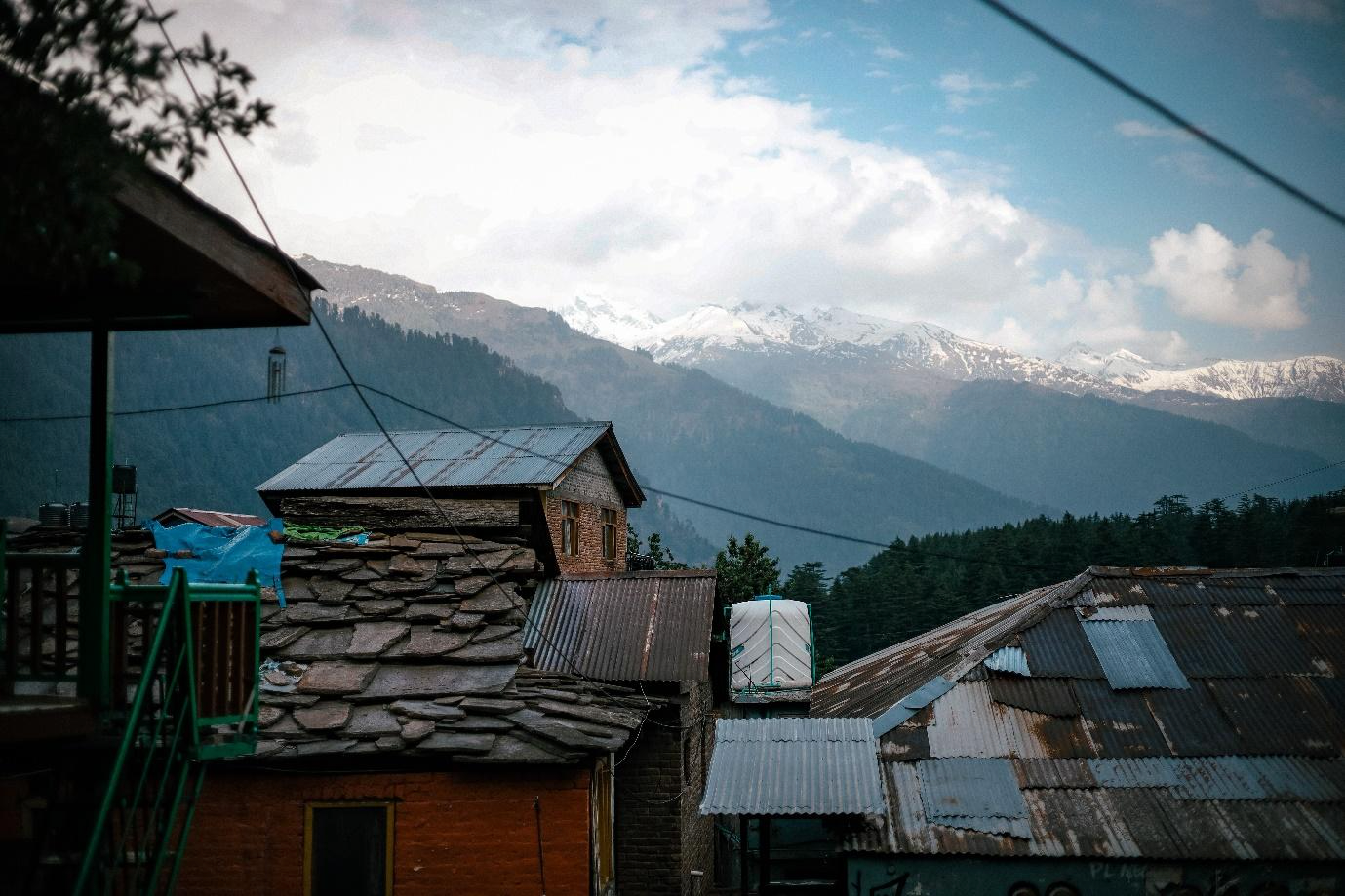
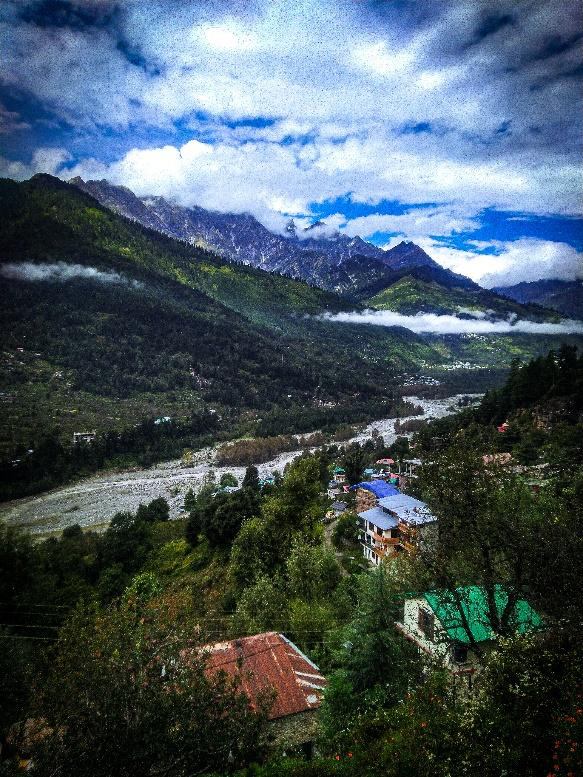
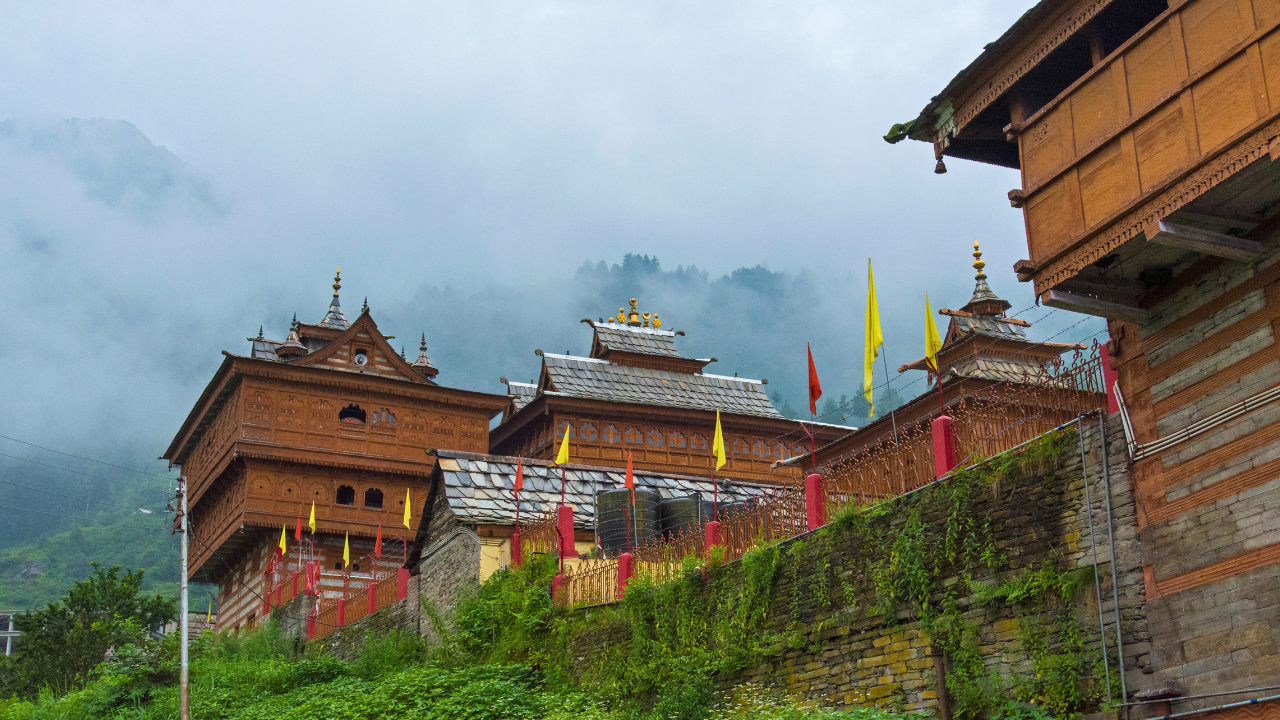
Let me take you to Himachal Pradesh, a popular hill station in the Himalayan landscape in North India that draws nature lovers from different parts of the world. The lush greenery, huge mountains, and beautiful landscapes inspire tourists to spend some moments of peace and tranquillity. After the fall in covid-19 cases, Himachal Pradesh witnessed an ever-growing trend of community homestays.
Sharing her story with The Tribune about staying in a homestay in Himachal Pradesh, a Delhi-NCR-based woman, Garima, said, “The 20-minute trek to the cottage was exhilarating, especially for our kids. The experience was surreal, virtually transporting us to a magic land amid apple orchards. With a kitchenette and a balcony to the mud-plastered rooms, it was the laidback holiday I had always dreamed of.”
But how will staying in a homestay differ from checking into a hotel?
You might have heard people say that home is where the heart is, or home is a feeling. Homestays offer this homely feeling to their guests and are a product of community-based tourism. They are emerging as a locally available and culturally-immersive form of tourism accommodation services. The local hosts need not even buy a house; instead, they can use any spare space in their traditional homes to host their guests. You pay money to stay with a local family and blend into their ways of living. To understand this concept more vividly, scroll through my blog on a homestay experience in Himachal Pradesh.
According to the official tourism statistics, the number of hotels and homestays registered with the state tourism department in Himachal in 2022 was 3,679 and 2,305, respectively. The onset of the COVID-19 pandemic has created a stir in the tourism industry in Himachal Pradesh with the construction of homestays. A Report by Make My Trip in 2022 says, “There has been a 70 per cent increase in bookings for homestays in Manali, Udaipur, Ooty, Srinagar, Darjeeling and other popular tourist hotspots this year.”
But, ever wondered when you spend money as a tourist, where does all that money go? Of every $100 spent by a tourist from a developed nation, only around $5 actually stays in the local economy of a developing country destination. By spending our money mindfully, we can prevent tourism leakage. So, next time, you may prefer to stay in a homestay and look at the world from a local’s perspective.
Homestays allow travellers to experience the culture of the local communities they are visiting. So, when you visit a homestay, expect to taste the authentic cuisines the host prepares. Like me, many travellers enjoy savouring fresh vegetables and fruits from the farm, homemade jams and the Himachali Dham, a traditional vegetarian thali/meal the locals usually offer.
Every traveller has unique interests and hobbies, and guests often find a host with similar interests. Hosts help their guests immerse themselves in grounded experiences within the local community. Many homestays in Himachal Pradesh have started to contribute, along with their guests, to community-based practices aiding in the conservation of the rich biodiversity of the state.
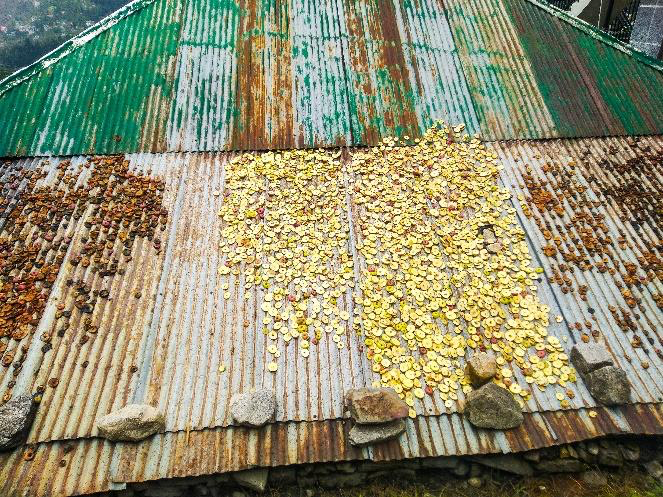
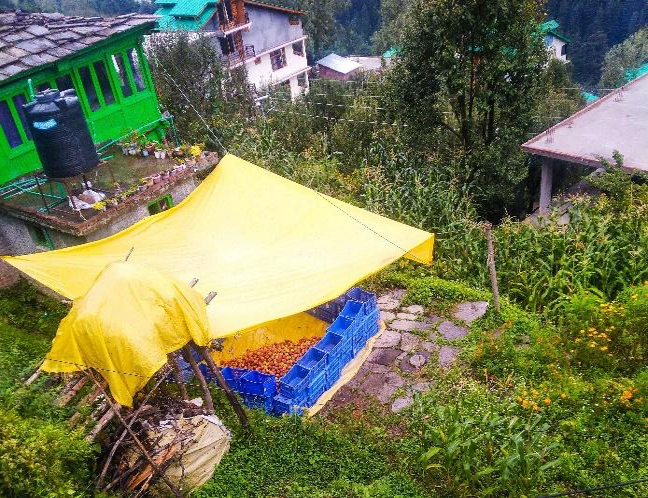
During one of my visits to a homestay in the mountains, I enjoyed plucking apples from the trees and packing them in fruit boxes to be exported domestically and to international markets. In another instance, the homestay owner accompanied me on a village tour and tree plantation drives and made me participate in the local festivals.
Regenerative tourism improves and restores communities, cultures, and ecosystems. It goes beyond sustainability by positively impacting the environment and society. In simple terms, it means that we leave a place in a better state than when we first arrived.
Homestays can contribute to regenerative tourism through cultural exchanges, socio-economic benefits and environmental awareness. We directly pay the locals, which helps them sustain their livelihood. Buying from the locals also becomes a way of contributing to the local economy. During my travels, I usually share a taxi with a local, buy a sweater from a local shop, share my meals with my host at the homestay and join activities and treks organised by the locals instead of paying heavily to the commercial hiking companies.
Homestays are mostly affordable and an alternative option to expensive hotels. This means we can save on our accommodation and buy one more beautiful souvenir to take back while supporting the pockets of the locals.
During the pandemic, many people from different states in India chose to ‘work from mountains’, mirroring the concept of ‘work from home’. From Rs 500 ($6 USD) per day to Rs 25,000 ($300 USD) per day, there are homestays in Himachal that suit every pocket.
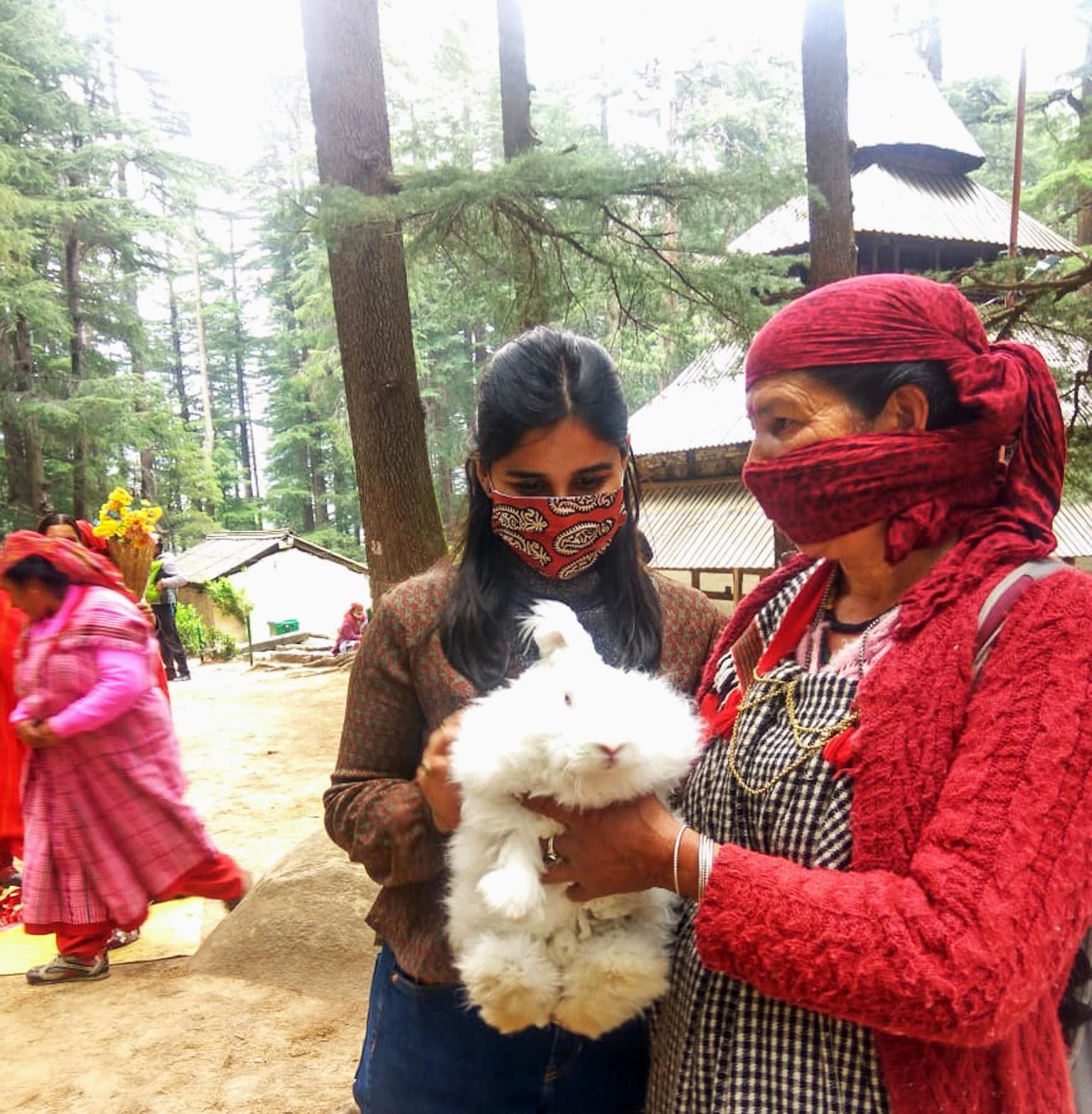
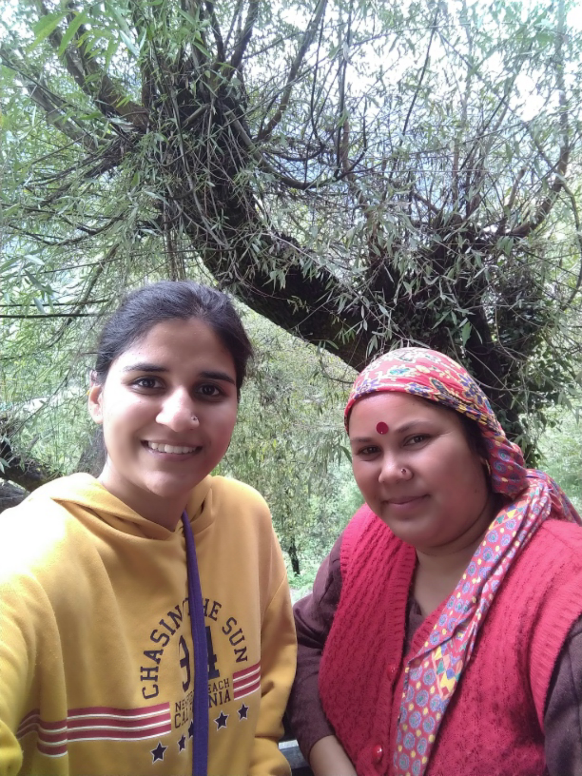
It’s time we look away from tourist hotspots and immerse in local experiences. Stories need to be told, or they die – making our lives quite irrelevant. In September 2022, I went on a day hike in the village of Koshala in the city of Manali in Himachal. While walking through the village, I met a woman named Bhagi, who runs her homestay in the village and welcomes guests from India and around the world. She proudly wore a big red bindi on her forehead and wrapped her hair with a colourful stole.
With gleaming eyes, she told me that she works in an Anganwadi Centre (a type of rural child care centre in India) in the afternoons and then resumes back to her own homestay business during the rest of the hours. Some years back, a group of young travellers stayed in her home and suggested she start her own homestay business. With the help of her children and husband, she takes her guests for trekking, hiking, and many local activities. Today, Bhagi moves her fingers swiftly through her smartphone, is aware of the latest trends in the homestay business and has also started another homestay in her village.
The rise of homestays has enabled women from villages and small towns to run their own businesses while taking care of their families. They have more choices now on how to contribute to the socio-economic development of the village while strengthening their positions as the backbone of the mountainous economy. I’ve met women running their homestays, making local handicrafts, and selling woollen shawls. Needless to say, the stories and diverse perspectives of local people help us delve into new experiences – ones that are culturally very diverse from our own worlds.
Tourists and local communities often take diverging paths – a path that never meets. With greater awareness of sustainable development and new mindsets, it seems that the two parallels are now intersecting at a higher pace.
However, sustainability is not just about opening a local homestay; it’s also about sharing stories that seem ordinary but leave extraordinary impacts. Just like some visitors helped Bhagi open her homestay, just like Bhagi shared her story with me and like I’m sharing her story with you, who will you share this story with? What if someone reads through this article and wants to visit Bhagi’s homestay (reach out to info@youinverse.org)? And if someone does, that would be my way of paying back Bhagi for enhancing my travel experience.
Looking for more travel inspiration? Explore our Accommodation Tips page for other captivating reviews and discover your next dream destination.
Deeksha is a writer and blogger at YouInVerse, where she writes about development, travel & culture, well-being and stories that matter. In November 2012, she won the “Bluehost WordPress Creators Award 2021” for digital creativity and innovation in India.
| Cookie | Duration | Description |
|---|---|---|
| cookielawinfo-checbox-analytics | 11 months | This cookie is set by GDPR Cookie Consent plugin. The cookie is used to store the user consent for the cookies in the category "Analytics". |
| cookielawinfo-checbox-functional | 11 months | The cookie is set by GDPR cookie consent to record the user consent for the cookies in the category "Functional". |
| cookielawinfo-checbox-others | 11 months | This cookie is set by GDPR Cookie Consent plugin. The cookie is used to store the user consent for the cookies in the category "Other. |
| cookielawinfo-checkbox-necessary | 11 months | This cookie is set by GDPR Cookie Consent plugin. The cookies is used to store the user consent for the cookies in the category "Necessary". |
| cookielawinfo-checkbox-performance | 11 months | This cookie is set by GDPR Cookie Consent plugin. The cookie is used to store the user consent for the cookies in the category "Performance". |
| viewed_cookie_policy | 11 months | The cookie is set by the GDPR Cookie Consent plugin and is used to store whether or not user has consented to the use of cookies. It does not store any personal data. |