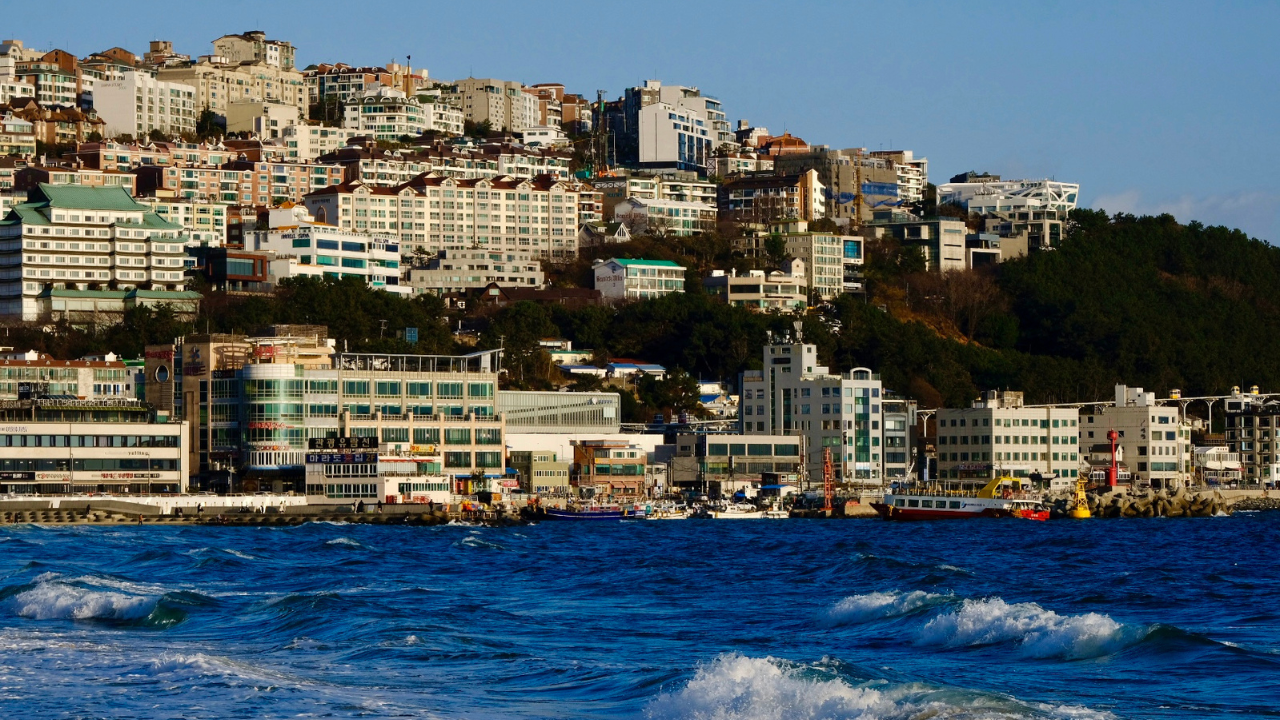
In the furthest south of Korea, where the waves embrace the coast, and the cityscape meets the skyline, Busan appears as a fascinating destination with one of the most incredible beaches, visually integrating the threads of heritage and modernism. As I ventured into the city in December 2023, my visit was filled with excitement, especially as a Muslim traveller looking for a unique experience—absorbing myself in the flavourful halal specialities in a country not traditionally associated with such cuisines.
Haeundae is a gem
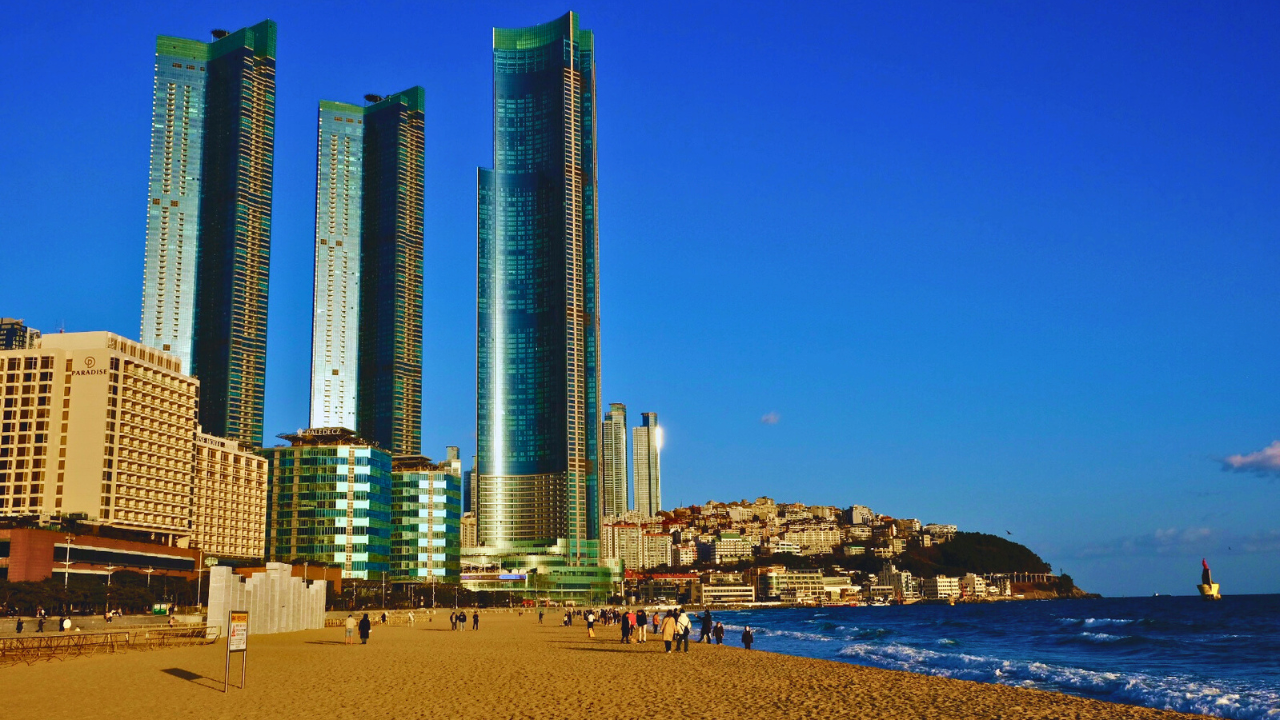
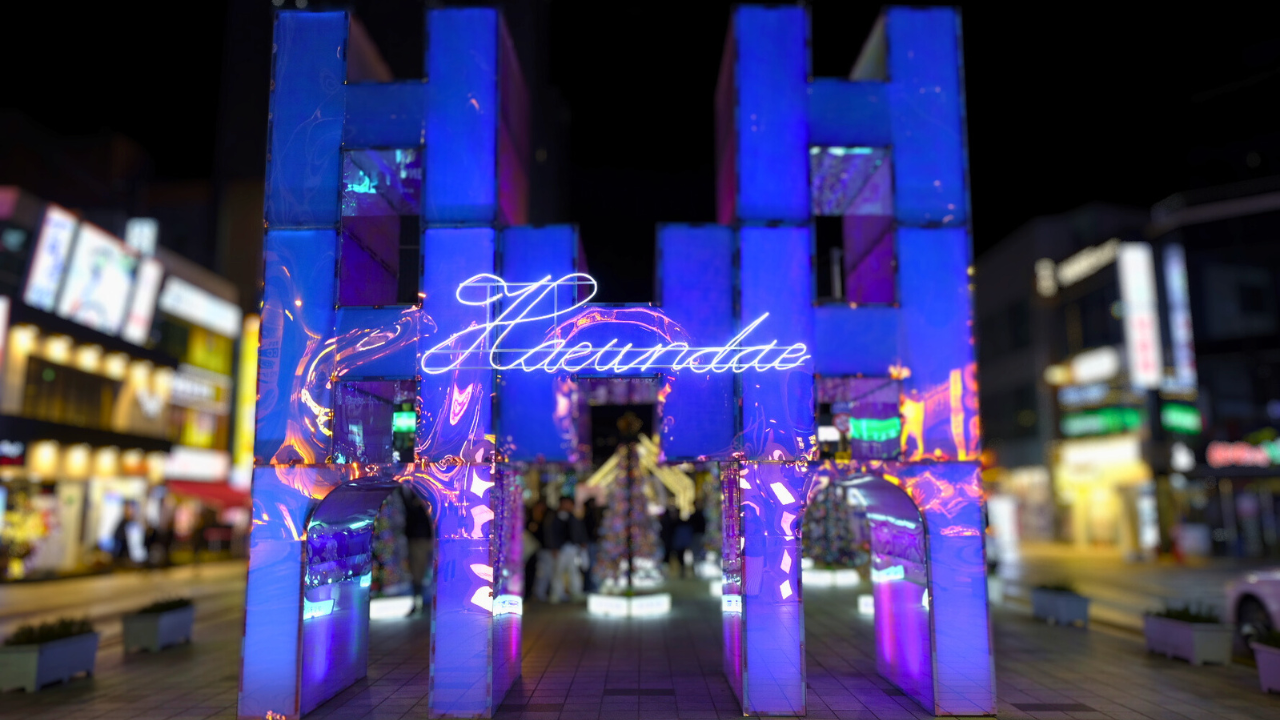
Busan is the second largest city outside of Seoul, offering a unique blend of culture and cuisine. It was a city I fondly enjoyed, and the location I decided to stay in was Haeundae because it had the most incredible beach, and it was the centre of everything and at the heart of the city.
The colourful area of Haeundae presented a panoramic view of the sky-blue ocean and the vast beach, creating a lovely setting for my South Korean journey. Even though it was winter, the temperatures reached 20 degrees Celsius, making it perfect to head to the beach. The beach, with its golden sands and the gentle lull of the waves, formed the ideal backdrop for exploring a city that, to my delight, offered an abundance of halal cuisine.
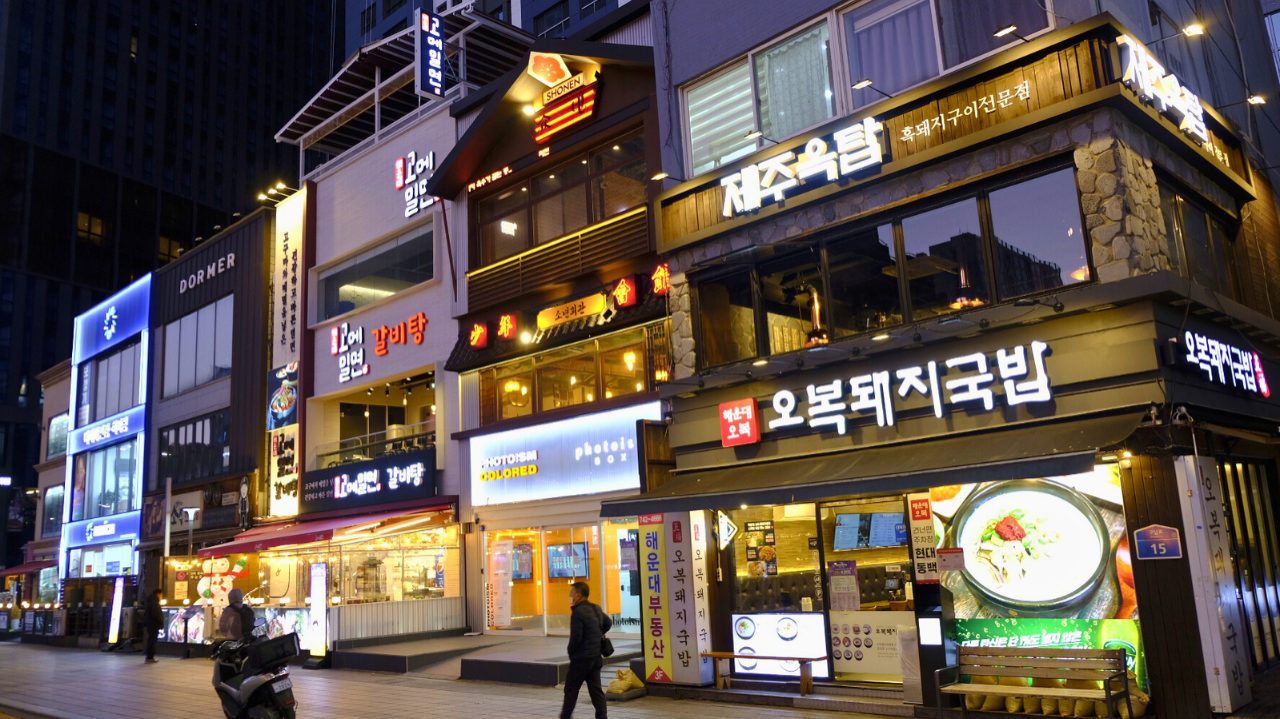
In a previous article, I discussed my time in Seoul and why it was easy due to the halal food available, and Busan was very similar. As a Muslim tourist, searching for halal cuisine might seem like a gourmet journey on any travelling journey outside of a predominantly Muslim country. Even though there will always be vegetarian options, if you are a carnivore, then you are going to crave meat. And you don’t have to worry, as the main street of Haeundae leading to the beach has plenty of restaurants to tuck yourself into. It was different from what it was like in Seoul, where they had street vendors, but, nevertheless, you will be at ease.
There are so many halal choices
You can dip into various foods, such as aromatic biryanis, sizzling fajitas, tantalising tacos, and authentic Korean barbecue. The most memorable restaurant, though, was Hi Asia, a Pakistani/Indian and Indonesian restaurant, because it was the friendliest, along with any dishes that contained incredibly tender and flavourful chicken. Plus, the owners spoke in English and Urdu, languages I could communicate and converse with. My Korean was, let’s say, very rusty when it came to talking to Koreans.
I also spotted several Muslim travellers, most of whom were families. Many were from Southeast Asia, which has a sizeable Muslim population. When I talked to a family who were from Singapore in Hi Asia, I asked them what brought them to Korea. The father replied, “It was somewhere we wanted to travel to as a family, and we knew somewhere like Busan was friendly and safe for our kids, as well as plenty of options in terms of food.”
Adding to this, three sisters who were from Indonesia, told me, “We knew it was friendly for us, especially as we wear hijabs. Sometimes, you worry about being mistreated in other parts of the world. Also, there are so many food choices.” Openness, friendliness, safety, and knowing there are choices for food are essential while selecting a getaway.
Though slightly pricier due to being imported, as this was something I found out in Seoul, the halal food scene in Busan was nothing short of spectacular. Local chefs used their skills as chefs to adapt traditional Korean cuisine into halal delicacies that were absolutely exquisite. Once again, each bite was a fusion of bold flavours that seamlessly melded Korean cuisine’s authenticity with a Muslim traveller’s dietary requirements.
Efficient Explorations: Navigating Busan with Ease
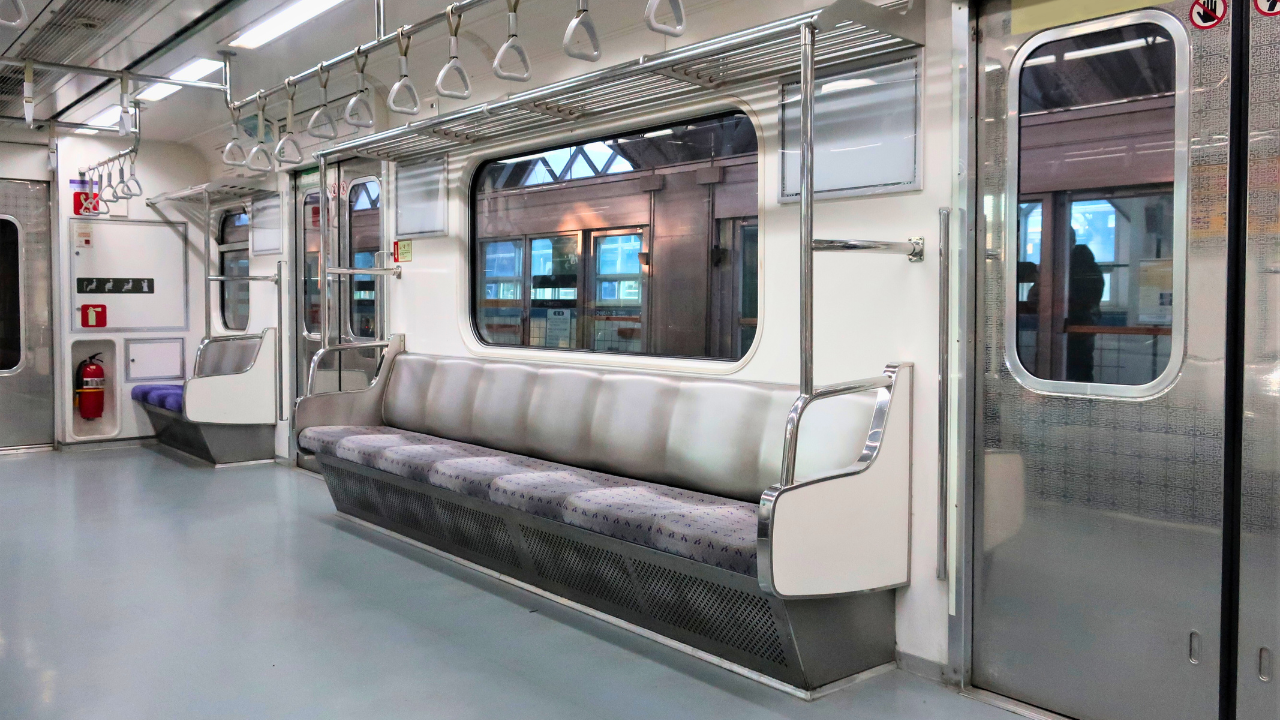
Beyond the culinary delights, Busan was no surprise to me with its impeccable infrastructure and efficient public transportation. I’ve seen and read about the metro system for years, a lifeline for both locals and tourists, as a model of reliability and affordability. It just made life really easy for me, and I didn’t have to worry about getting taxis and paying more than I should. You can purchase a T-card for the metro to travel within the city easily, and it was a straightforward affair—topping it up with cash whenever it ran low. However, that was the only downside: you had to top it with cash and couldn’t use your card.
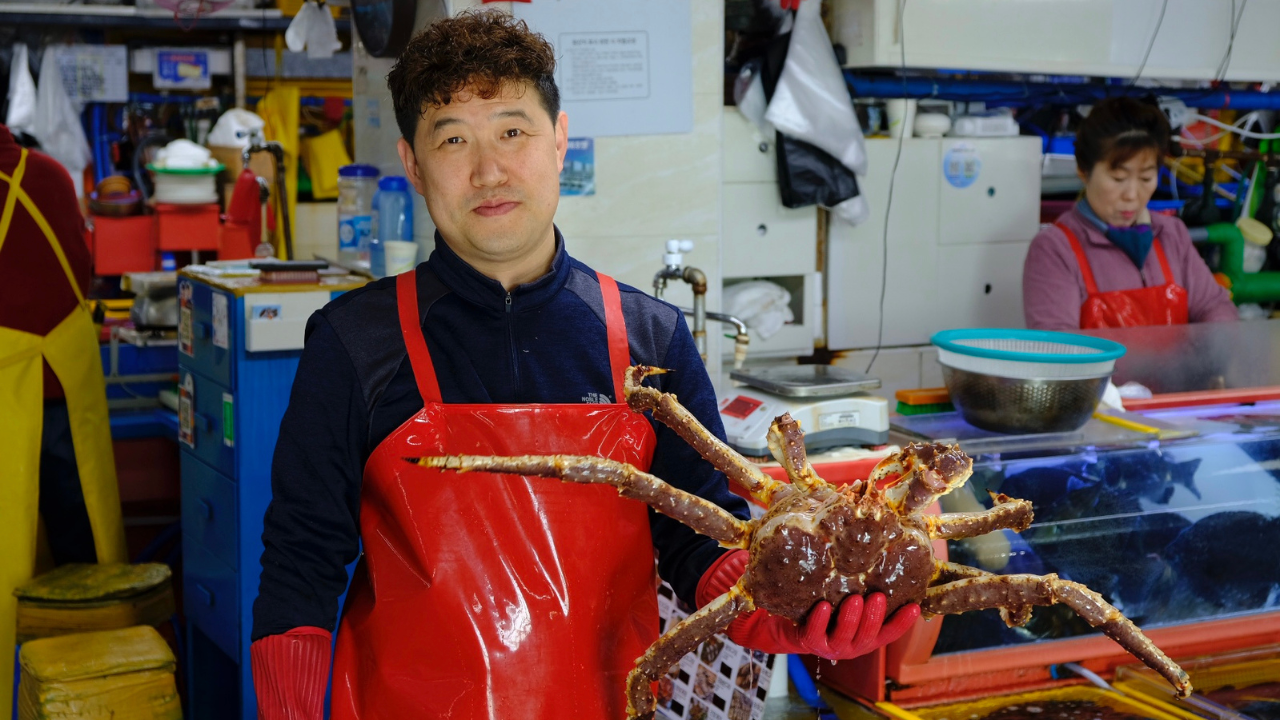
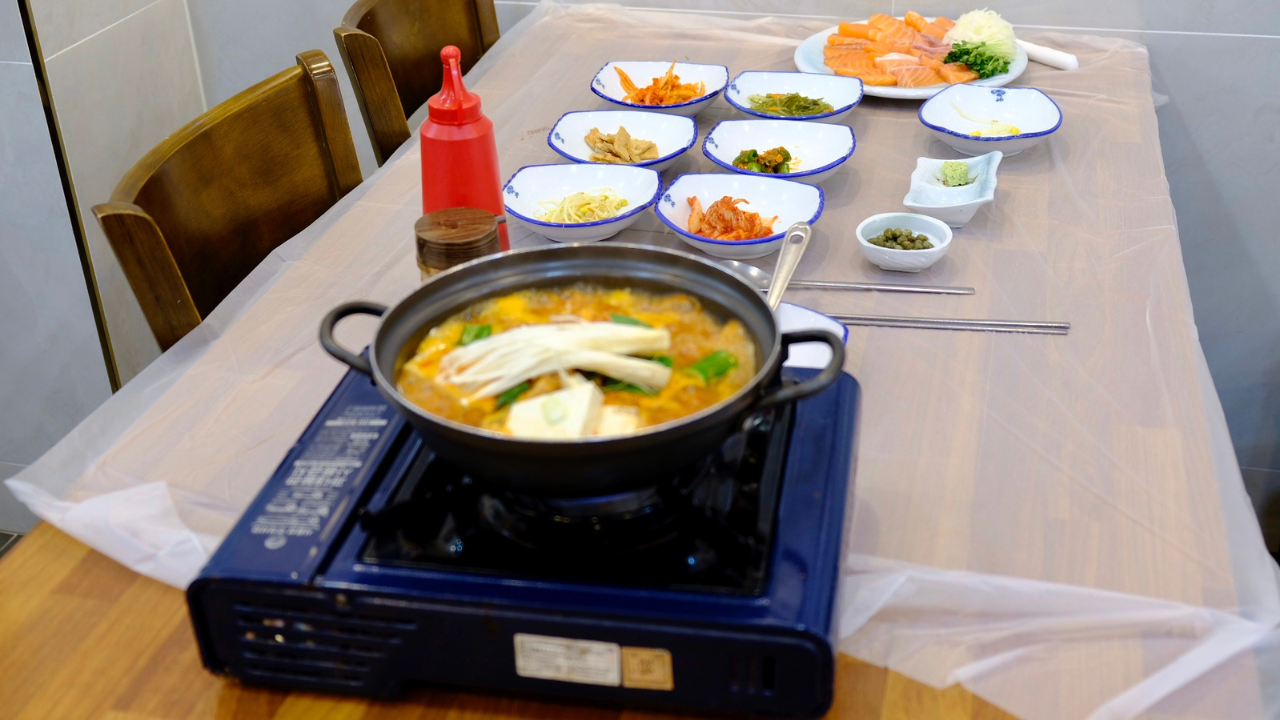
Some of the places I went to via the metro were the bustling markets of Jagalchi Fish Market, where I suggest you check out, as you can try out some of the finest fresh fish on offer for lunch in any of the restaurants opposite the market. I ate in Daegu Seafood Restaurant, where I ordered the salmon, and to my shock, 25 pieces came out. After eating it all, I felt like I was going into a food coma. The meal cost was around £17, which sounds steep compared to restaurants elsewhere, but it was worth the price. Plus, all the workers were lovely, as they took selfies with me, thinking I was a major celebrity. They clearly got that wrong!
Every destination you find yourself going to is a testament to the city’s cultural richness, and it was made easy with the transportation system. However, I would highly recommend avoiding Texas Street, a place which I found to be a red-light district, and a local told me it is “run by gangs.” The government are trying to clamp down on the issue as we speak.
Indulging in Peace: Spa Land Centum City
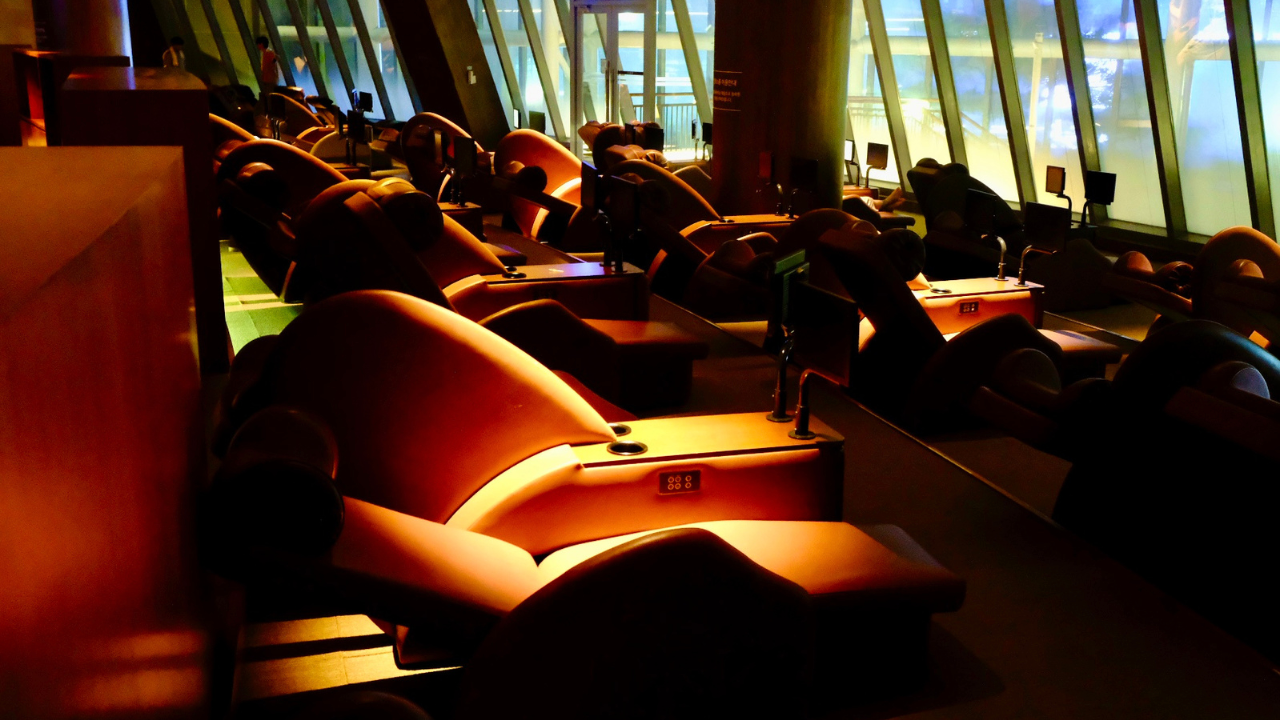
In the middle of Busan’s vibrant rush, my journey also took me to what can only be described as a haven of relaxation—the renowned and mesmerising Spa Land Centum City. It was a showcase of luxury, revolutionising the notion of spa experiences throughout the world.
As I entered Spa Land, it seemed like a mystical maze where time appeared to slow down, allowing me to lose myself in a world of calm. The admission fee, a modest £17, provides everyone with outfits to wear and access to a four-hour sanctuary where luxury and recuperation blend perfectly. They explained that four hours was the limit due to their high turnover.
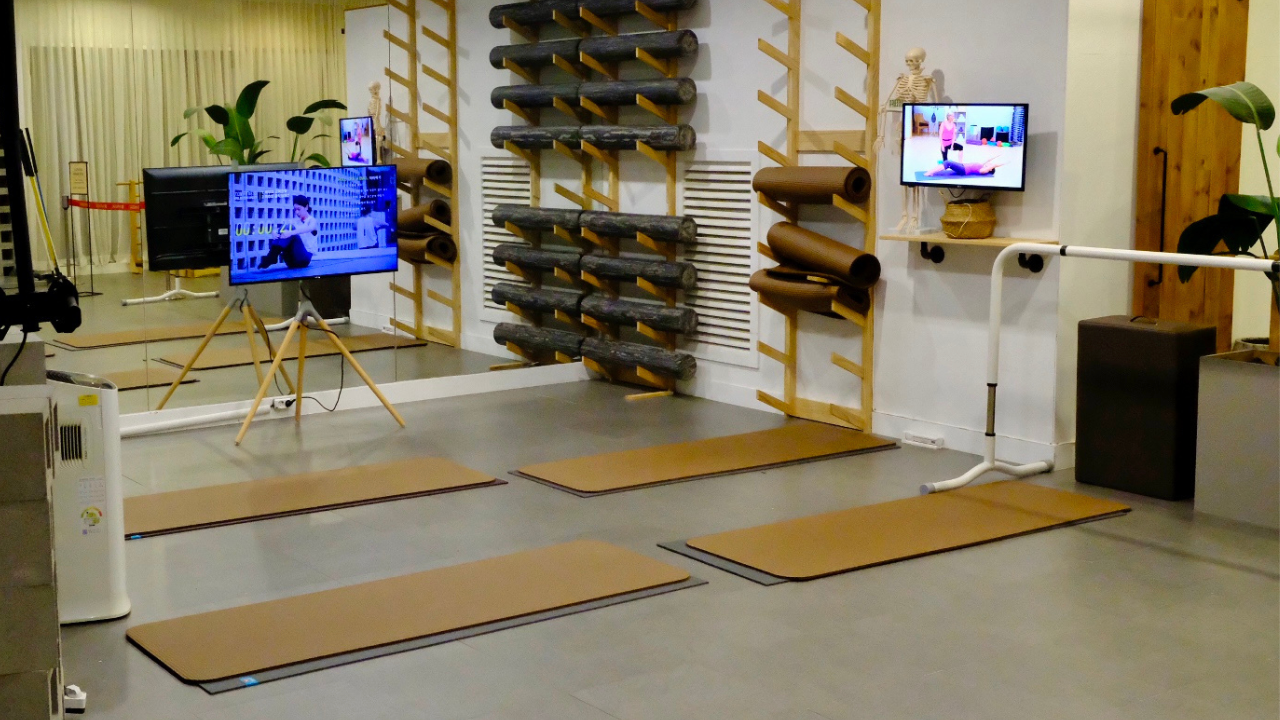
One of the distinguishing features of Spa Land is its commitment to comprehensive offerings. Each with its unique therapeutic touch, the array of saunas beckoned to be explored. The sauna experience, infused with cultural subtleties, provided physical relaxation and insight into well-being steeped in culture, invigorating both body and mind.
Let this be a warning
Entering the spa’s pool area involves adopting a cultural norm that may initially appear foreign to those unfamiliar. The receptionist told me, “Separate pools for men and women because you will go in there naked.” I had to make sure I heard right, and she did repeat the same thing: I would have to go in naked. We are a bit more reserved here in the U.K. when it comes to going into a public pool naked, but if I wanted to enjoy that facility, I had to forget my embarrassment and get in.
There was initial discomfort, but in the end, I did embrace the liberating sense of being unburdened by societal expectations. That’s not to say I’ve booked my next naked pool session, and I am now a natural. But it was an experience to behold.
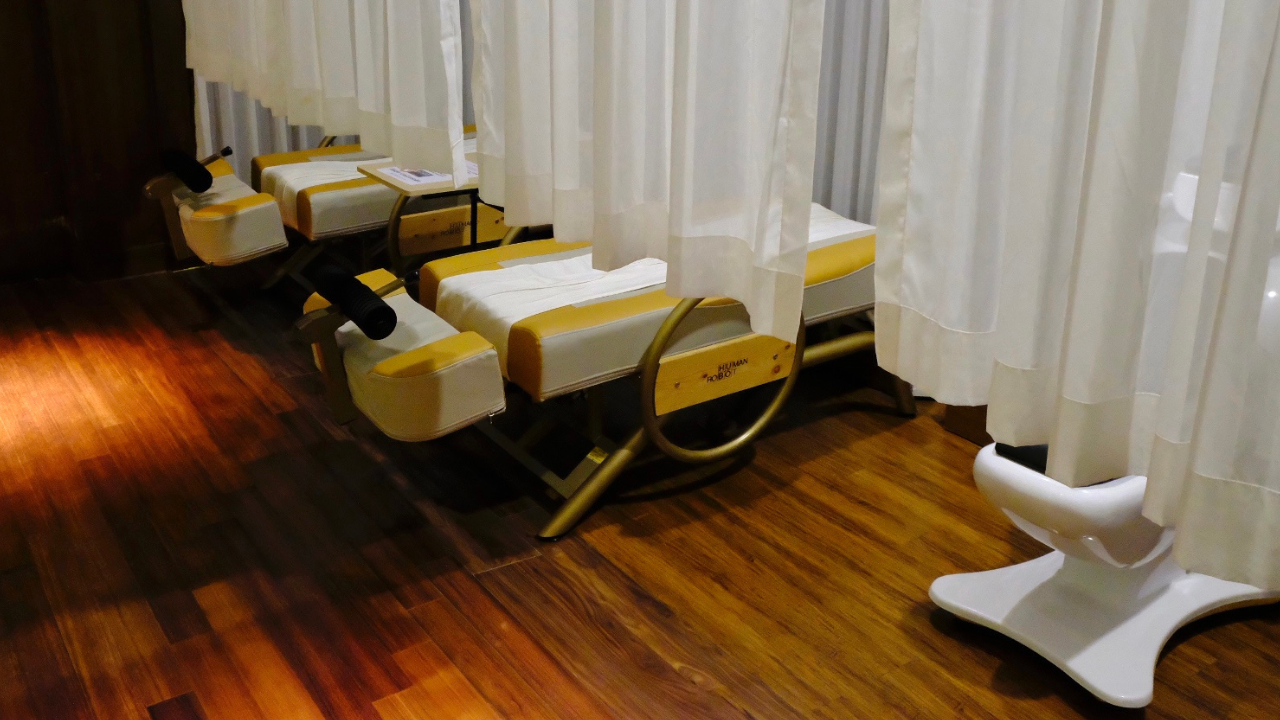
Amidst the steam and soothing ambience, the choice to enjoy a massage, albeit at an additional cost, heightened the sense of self-pampering. I decided to pay for an hour’s worth of foot massage after all the walking I had done in the city, and it helped relieve the stress that I was carrying on my foot.
As the hours unfolded within the spa’s corridors, the opportunity to savour a delectable meal presented itself. The cuisine is an essential part of the whole Spa Land experience, and the option to dine within the premises elevated the concept of relaxation beyond the physical, transforming it into a holistic retreat for the senses.
Whether guiding the maze of saunas or embracing the liberating waters, Spa Land encapsulated the essence of indulgence, reminding me that in Busan, even the pursuit of serenity is an art form.
Seoul to Busan: A Bullet Train Odyssey
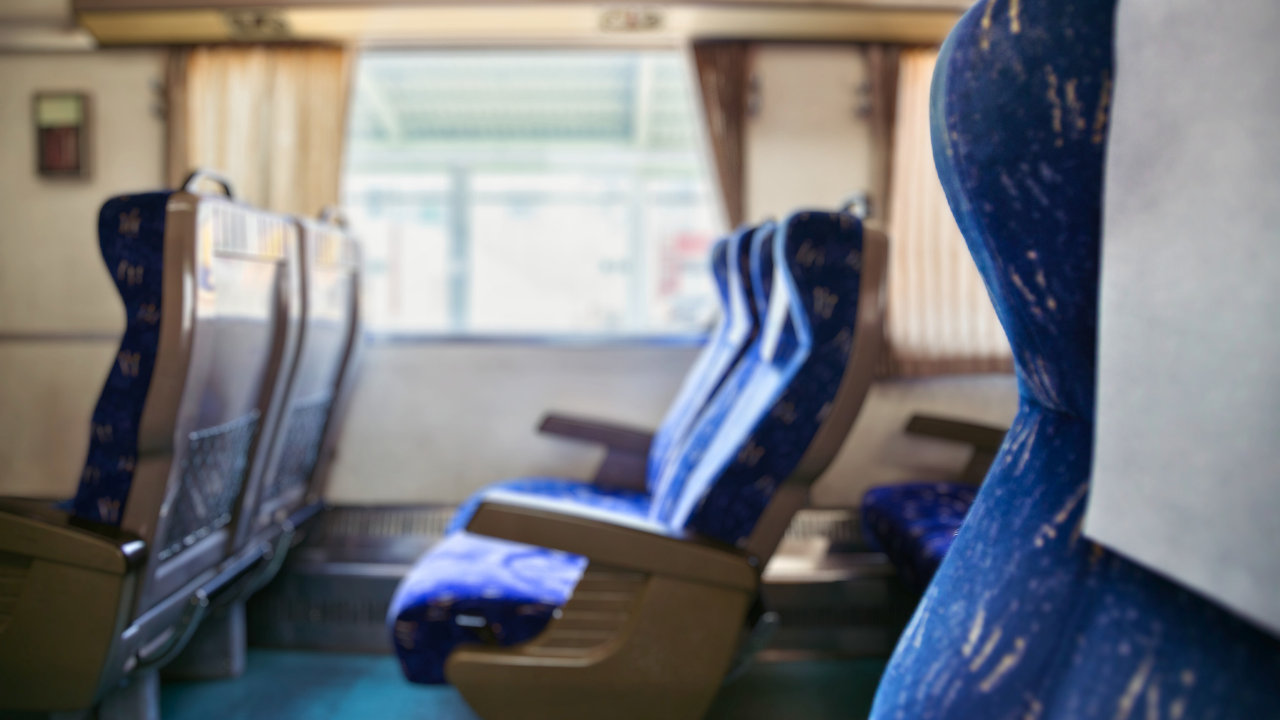
Every Busan journey must involve the KTX Train, the symbolic engine that effortlessly spans the distance from Seoul to Busan. Taking the bullet train from Seoul was a thrilling journey across South Korea’s stunning landscapes in only a few hours, which included incredible skylines. It was so rapid that the U.K. train systems are lightyears behind.
The most important thing to note is that it was very cost-effective. I paid around £18 for my ticket; when I think about it, my trains from the north of England to London are nearly £100. That was the stark distinction. The nicest thing about these trains is their punctuality and efficiency.
A Culmination of Culture, Cuisine, and Serenity
Busan, with its open-hearted embracing of diversity, rewrites the story for Muslim tourists wanting more than simply a location but a complete experience. Like the bustling Jagalchi Fish Market, it became more than a culinary adventure. As I delved into the fresh seafood at Daegu Seafood Restaurant, the lively chatter and warmth of the locals made it a cultural immersion, providing a meal and an insight into the soul of Busan’s daily life.
As I said my goodbyes to the city, the flavour of its halal delights lingered on my tongue, a reminder of the balance of culture, food, and connection that distinguishes Busan—a city that encourages you to savour, not just taste, its unique life.
If you are looking for other cultural destinations, visit our website’s Art and Culture page.
Share this article
Shebs Alom
Shebs is a Broadcaster, writer and Podcaster. He is a member of the British Guild of Travel Writers. He’s hosted a breakfast called Rise & Shine on the only dedicated travel radio station in Africa, Gallivant Radio. Shebs also hosts a travel podcast, Take a Wander With Shebs, which can be seen on his YouTube channel and heard on all major podcasting platforms. Shebs is also the Editor & Commercial Officer for Voyagers Voice. He also runs Shebs The Wanderer Ltd.